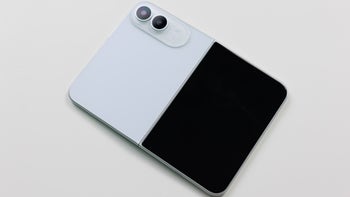
Apple Foldable iPad release date expectations, price estimates, and upgrades
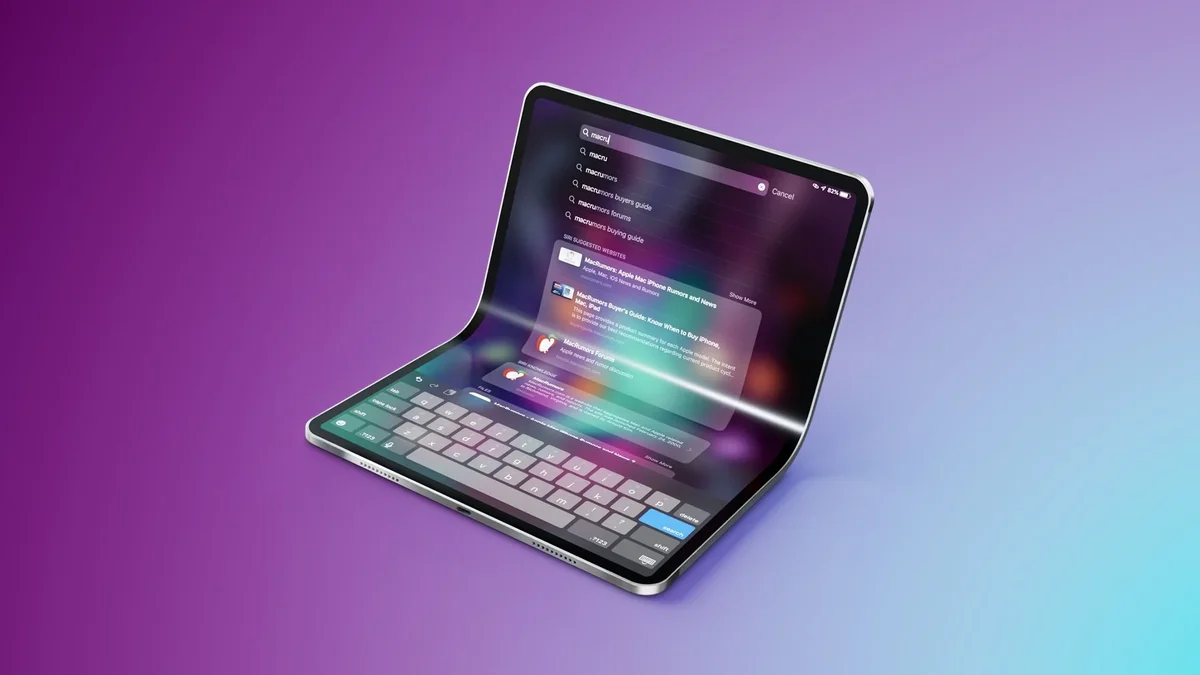
Foldable iPad concept. | Image by AppleInsider
Rumored upgrades:
- 18-inch or 20-inch OLED display – the precise size remains unconfirmed
- Could operate as a hybrid between a MacBook and an iPad
- Final design not yet locked internally
- Hinge technology potentially shared with the foldable iPhone Ultra
Expected release timeline:
- 2028 or 2029, based on current industry reporting.
Expected price:
- Rumored to start above $2,500, with some estimates pushing considerably higher.
Jump to:
Foldable iPad release date
No confirmed launch window exists for the foldable iPad. The most credible current reporting places it in 2028 or 2029 at the earliest.
| Device | Announcement | Market release |
|---|---|---|
| Foldable iPad | 2028-2029* | 2028-2029* |
*Probable dates
The device generated significant buzz in 2025, when a wave of leaks suggested it was closer to reality than most observers had assumed. Reputable Apple insider Mark Gurman subsequently reported the project had been pushed back.
The iPhone Duo's September 2026 announcement does confirm that Apple has now shipped a foldable product, which puts the foldable iPad on somewhat firmer ground as a category Apple is actively investing in. That said, the iPhone Duo's own launch was constrained – availability began October 23, weeks after the announcement, with supply described as limited at launch.
If Apple is still working through production challenges on a phone-sized foldable, a 20-inch foldable iPad remains a considerably more complex undertaking.
Foldable iPad price
Apple positions its products at the premium end of every category it enters, and a foldable iPad would almost certainly extend that pattern further than anything the company currently sells.
Some reports have placed the starting price at roughly three times the current 13-inch iPad Pro's $1,299 opening – putting the foldable iPad somewhere north of $3,000 if those estimates are in the right ballpark.
Foldable iPad camera
No concrete camera information has come through for the foldable iPad. iPad cameras have historically been tuned for video calling rather than photography, and Apple has kept them capable enough for that core function across every generation.
For context, the current iPad Pro ships with a 12MP Center Stage ultra-wide front camera and a 12MP wide rear camera featuring adaptive True Tone flash, 5x digital zoom, and up to 4K 60fps video. Given the expected price tier of the foldable iPad, a camera system at least on par with that setup is a reasonable minimum expectation.
Foldable iPad storage
A 256GB base configuration seems like the realistic minimum for the foldable iPad. If the device doesn't arrive until 2029 as some reports suggest, that floor could climb higher before it actually ships. Tiers at 512GB and 1TB appear like safe assumptions above the base, with 2TB also plausible given where the device is expected to sit in Apple's lineup.
Foldable iPad design
Most of the reporting converges on a 20-inch foldable OLED panel, though an 18-inch alternative hasn't been dismissed. Based on what has surfaced so far, the device sounds like a crossover between an oversized iPad and a compact laptop – conceptually closer to something like the ASUS Zenbook 17 Fold OLED, but larger.
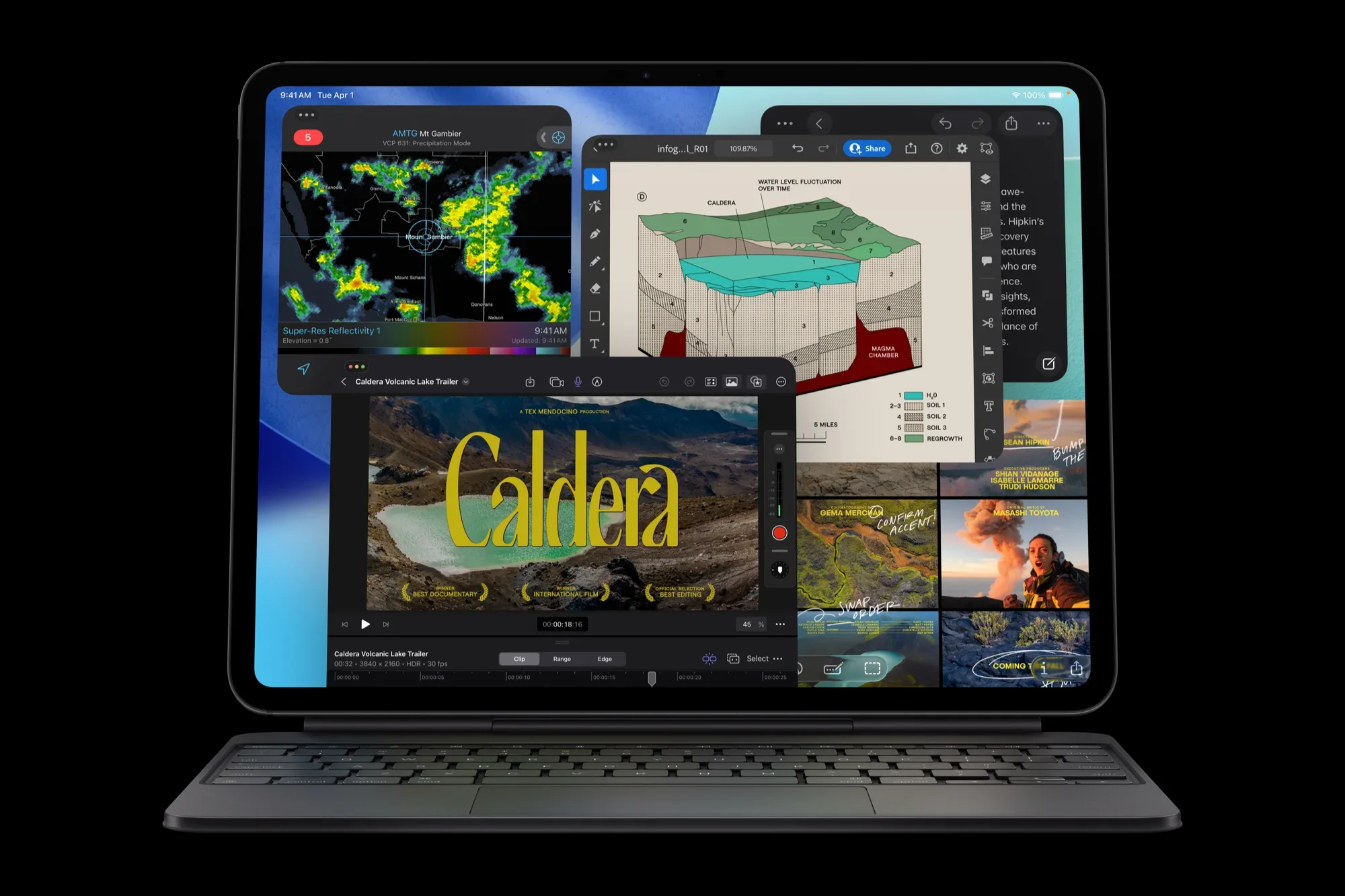
Apple's new iPad Pro. | Image by Apple
Analyst Ming-Chi Kuo has reported that the foldable iPad may feature a built-in kickstand constructed from carbon fiber – a structural choice that would help the large panel stand upright without an external accessory.
Apple has also been reported to be exploring under-display Face ID, with the transmitter and receiver components tucked beneath the screen to eliminate any visible cutout. More recent rumors suggest this particular approach hasn't gone smoothly, though specifics on what went wrong remain unclear.
The device's overall form factor is, by all current accounts, still being worked out internally – the design hasn't been finalized.
A newer report claims the foldable iPad may share its hinge design with the foldable iPhone. The iPhone Duo, which launched in September 2026, gives the first concrete look at what Apple's foldable hinge engineering actually delivers.
The Duo's hinge is built from over 100 components, uses a variable torque profile for controlled opening at any angle, and includes an integrated magnet array for closure. A 3D-printed titanium hinge cover with a micro-blasted finish handles the exterior.
If Apple carries that architecture to a larger format, the crease management on a 20-inch panel becomes the key unknown – the geometry of folding at that scale presents challenges that a phone-sized hinge doesn't fully address.
Foldable iPad display
Apple is broadly expected to use a 20-inch hybrid OLED panel for its first foldable iPad. The distinction from a conventional OLED matters: hybrid panels are engineered to resist the creasing and edge distortion that can affect larger flexible screens under repeated folding over time.
Display durability has been a genuine constraint for Apple with large-format panels before – it factored into the company's decision to use mini-LED rather than OLED in the 2021 12.9-inch iPad Pro. Reports indicate Apple may work with both LG Display and Samsung Display to source an ultra-thin cover glass suited to the panel's size and folding requirements.
For reference, the iPhone Duo's inner display offers the closest available reference point for Apple's foldable display approach. It uses a multilayered construction with a custom polymer cover layer rated at up to 40% higher stiffness than competing materials, custom adhesives that allow layers to glide past each other during folding rather than distorting the panel, and high-strength glass above and below the folding layer.
A nano-texture finish minimizes crease visibility and reduces glare. Scaling that construction to a 20-inch hybrid OLED is a different engineering problem entirely, but the iPhone Duo establishes that Apple has at least solved it at the smaller end of the spectrum.
Analyst Ming-Chi Kuo has separately noted that Apple tested electronic paper display technology – broadly comparable to E Ink – for potential use in future foldable devices. No other sources have corroborated that detail specifically.
Foldable iPad battery
No battery specifics have appeared in any leaks for the foldable iPad. Given the expected physical dimensions of the device, a large cell – potentially in the range of what current MacBooks carry – would fit naturally with the form factor.
Full-day battery life is a reasonable baseline expectation for a device at this price tier, though nothing has been confirmed in either direction.
Foldable iPad features and software
No leaks have pointed to which operating system the foldable iPad will run. Given its hybrid nature, it's worth watching whether Apple reaches for iPadOS, macOS, or something built specifically around a folding display. If Apple classifies it as an iPad – which the current rumor picture suggests is the more likely framing – an adapted version of iPadOS designed around the folding form factor would be the natural path forward.
The iPhone Duo's iOS 27 implementation offers some early signals about how Apple thinks about software on a foldable. On the Duo, controls and the Dock shift to the side of the display to preserve vertical content space, two Home Screen pages are visible simultaneously when open, Split View enables two-app multitasking, and the interface adapts dynamically as the device folds and unfolds.
A foldable iPad running iPadOS would likely extend that thinking further – iPadOS already supports more complex multitasking than iOS, and a 20-inch canvas would give Apple considerably more room to work with than the Duo's 7.6-inch inner display.
Apple Pencil support feels like a natural fit for a device of this scale and productivity positioning, and would be a reasonable expectation for something at this price point – though again, nothing has been confirmed.
Should I wait for the foldable iPad?
- You should wait for the foldable iPad if your current devices are meeting your needs and you're genuinely curious to see where this product ends up. The portability argument also applies – folded, the device would likely be more compact than a standard MacBook or iPad Pro while potentially offering comparable processing power for productivity use.
- You should not wait for the foldable iPad if you need a capable tablet or laptop replacement in the foreseeable future. The foldable iPad hasn't been officially confirmed by Apple, its design isn't locked, and the most optimistic timeline puts it at 2028 – with 2029 equally on the table. Buying a current iPad Pro or MacBook today is the far more sensible decision for anyone with a real, near-term need.


Popular stories





Latest News