The Big 3 are called "big" for a reason. T-Mobile, Verizon and AT&T are mastodons, but it took them quite some time to become the giants they are today. Soon, there could be a fourth major player in the telco field and the difference is that it might skyrocket to fame and fortune in no time.
Yes, I'm referring to Starlink Mobile.
The optimistic analysis
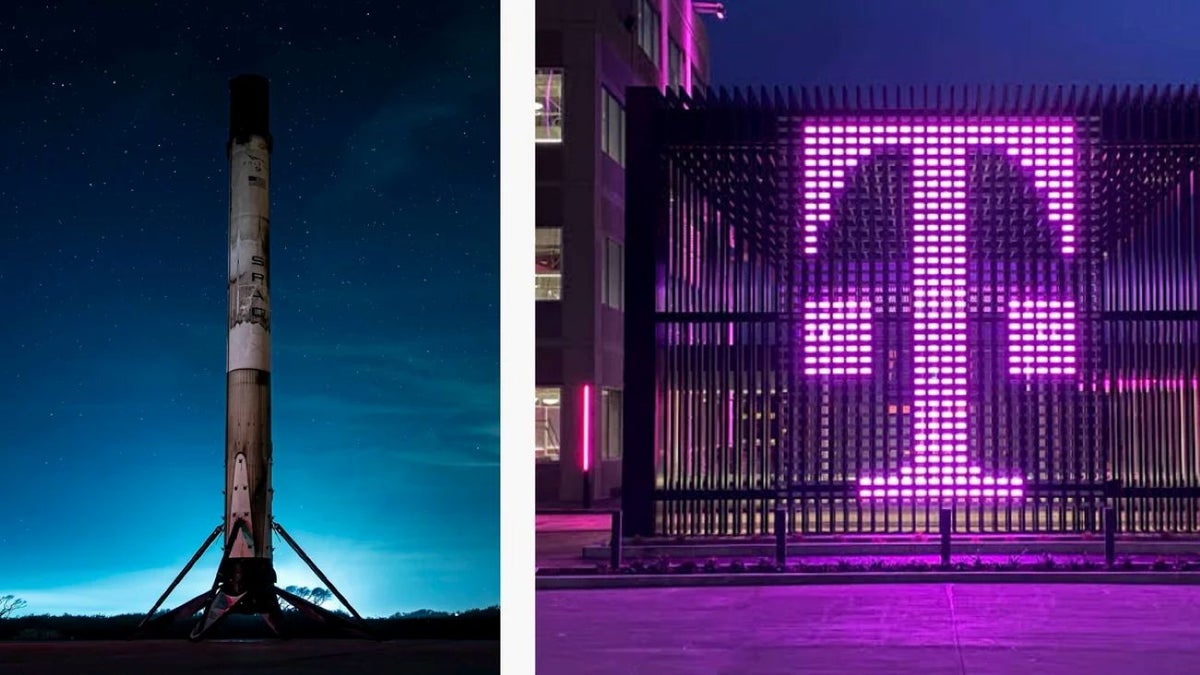
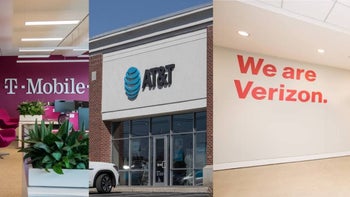
The future holds fascinating prospects for phones and phone users. | Image by PhoneArena
Per The Besen Group's latest Starlink Mobile analysis, all three US telcos have a thing to worry about and it's not something that's sitting in the distant future. Per the calculations, Starlink Mobile's revenue could skyrocket (the company's got experience with rockets, pun intended) from $1.14 billion in 2027 to about $25.35 billion by 2031. The way time is flying, 2031 is practically here.
What would make you switch to SpaceX/Starlink?
85 Votes
It's not just "a satellite" network
Both the best Android phones and the best iPhones to buy today brag about satellite capabilities. And these capabilities are pretty impressive and even life-saving in dire situations. If you're struggling in the aftermath of a flood or hurricane, for example, you could contact emergency services by satellite (always keep your phone charged, though).
But we've not yet come to the point where a satellite service can provide the same connectivity as a terrestrial network. Starlink Mobile wouldn't also rely entirely on satellites and the D2D (direct-to-device) model. Per Alex Besen, founder and CEO of The Besen Group, Starlink Mobile's business model will incorporate both terrestrial and satellite connectivity "into a single customer experience".
Recommended For You
The idea is to use each network "where it provides the greatest coverage" and capacity. What's more, Starlink could become "the connectivity provider globally", and I'm curious what that would look like.
More spectrum
Elon Musk's SpaceX acquired spectrum from EchoStar and could pursue additional frequencies in future FCC auctions, including the upper C-band auction expected in 2027. That gives Starlink a much more direct path into the traditional wireless business than a satellite company that simply provides connectivity from orbit.
Besen argues that this could make Starlink a much more serious competitor to both mobile network operators and satellite companies in the US. Other markets don't necessarily offer SpaceX the same spectrum advantage, meaning the US could end up being a particularly critical battleground for Starlink Mobile.
Building reputation
Starlink could gradually build a reputation as something broader than a conventional mobile carrier. Instead of simply being another company selling phone service, it could position itself as a provider of connectivity wherever customers happen to be.
That doesn't necessarily mean the Big 3 are about to disappear. In fact, Starlink could end up being both a competitor and a customer for them.
But I bet a ton of people will switch to Starlink Mobile right away and the Big 3 will have to come up with something to stop the leak.
Sebastian is one of PhoneArena’s senior opinionators. A veteran news writer with almost 20 years of experience in media and technology, he not only covers all the hot news about Galaxies and iPhones, but often provides hot takes on industry trends. He’s fascinated with camera-focused flagships from the likes of Oppo and Vivo, as well as foldable phones.
A discussion is a place, where people can voice their opinion, no matter if it
is positive, neutral or negative. However, when posting, one must stay true to the topic, and not just share some
random thoughts, which are not directly related to the matter.
Things that are NOT allowed:
Off-topic talk - you must stick to the subject of discussion
Offensive, hate speech - if you want to say something, say it politely
Spam/Advertisements - these posts are deleted
Multiple accounts - one person can have only one account
Impersonations and offensive nicknames - these accounts get banned
To help keep our community safe and free from spam, we apply temporary limits to newly created accounts:
New accounts created within the last 24 hours may experience restrictions on how frequently they can
post or comment.
These limits are in place as a precaution and will automatically lift.
Moderation is done by humans. We try to be as objective as possible and moderate with zero bias. If you think a
post should be moderated - please, report it.
Have a question about the rules or why you have been moderated/limited/banned? Please,
contact us.





![Another batch of Galaxy S26 series users in the US are getting a nice surprise today [UPDATED]](https://m-cdn.phonearena.com/images/article/183643-wide-two_350/Another-batch-of-Galaxy-S26-series-users-in-the-US-are-getting-a-nice-surprise-today-UPDATED.webp)
Things that are NOT allowed:
To help keep our community safe and free from spam, we apply temporary limits to newly created accounts: