The best phone displays in 2026
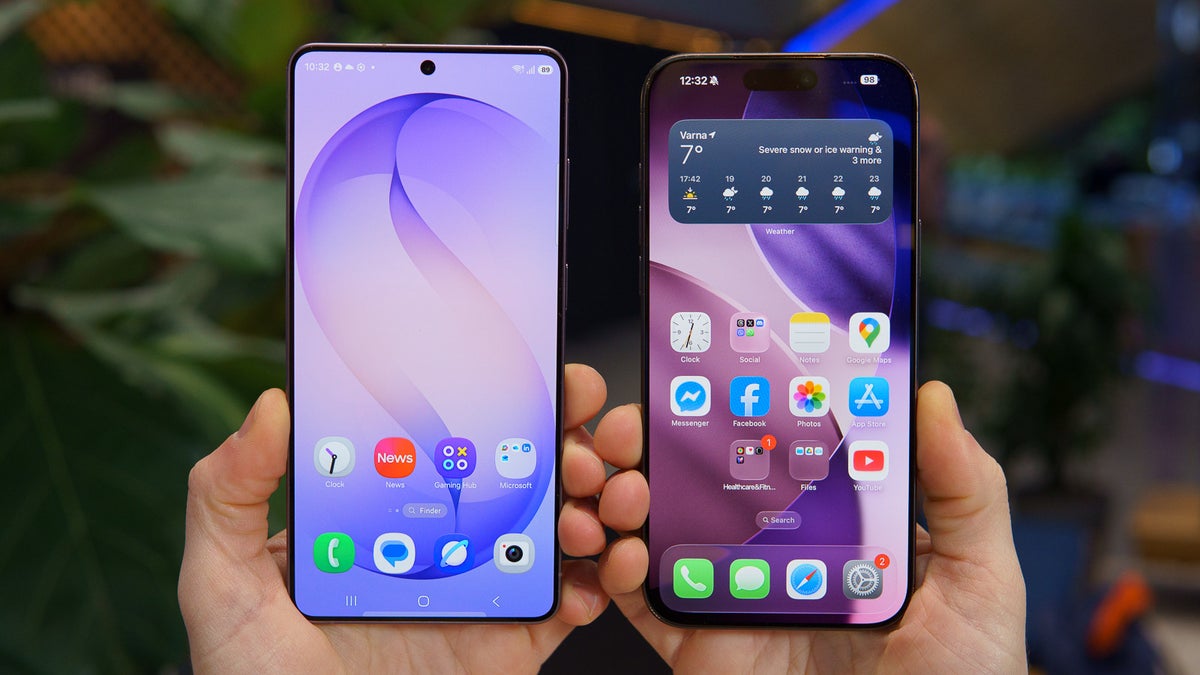
Galaxy S26 Ultra and iPhone 17 Pro Max. | Image by PhoneArena
What constitutes a great phone display? Is it the high resolution and pixel density? These days, it appears that most phones have that figured out with crisp detail on most phones out there.
So is it about the high brightness and contrast that offer good outdoor visibility in the sun outdoors? That is certainly a competitive area, as each year we are getting slightly brighter displays.
But then we have other considerations like color accuracy and calibration. Throw in dynamically-adjusted refresh rate based on the content displayed in the mix, and now, you've narrowed it down to only the best choices. We have rounded them right below.
Smartphones with the best quality displays in 2026:
- Galaxy S26 Ultra — industry leading anti-reflective coating and new Privacy Display feature
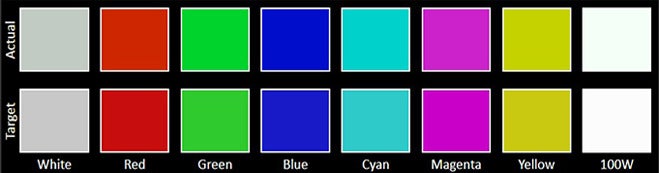
- iPhone 17 Pro Max— great color accuracy
- Google Pixel 10 Pro XL — super-bright display
- OnePlus 15 — great quality overall
Flagship display quality comparison:
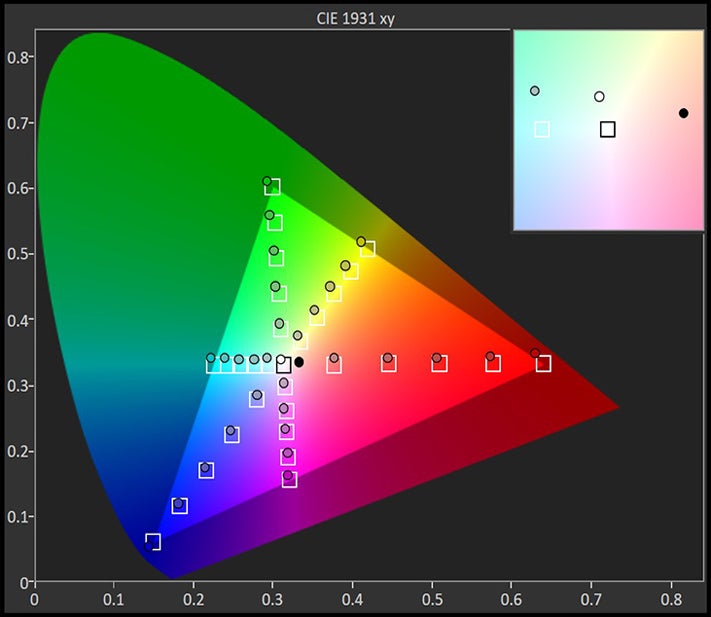




Galaxy S26 Ultra
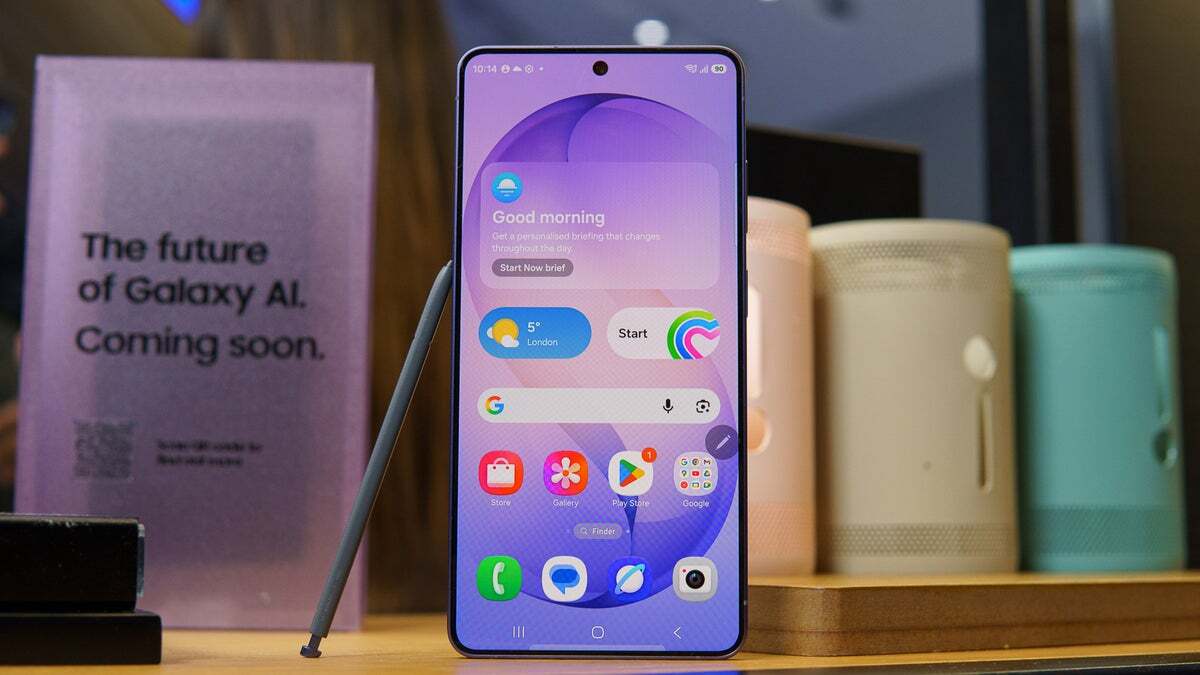
The Galaxy S26 Ultra. | Image by PhoneArena
- 6.9-inch Dynamic AMOLED 2X display
- 1Hz-120Hz dynamic refresh rate
- Resolution: 1440p
- Pixel density: 498 ppi
- Protection: Gorilla Glass Armor 2 (Anti-glare treatment for amazing outdoor visibility)
- Active digitizer with S Pen stylus support
- Privacy Display
- 2,600 nits peak brightness
Apart from that, the display hasn’t changed much from the last generation. We still have the same big 6.9-inch display, the same 1440p resolution, and a peak brightness of 2,600 nits as last year.
Also check out:
iPhone 17 Pro Max
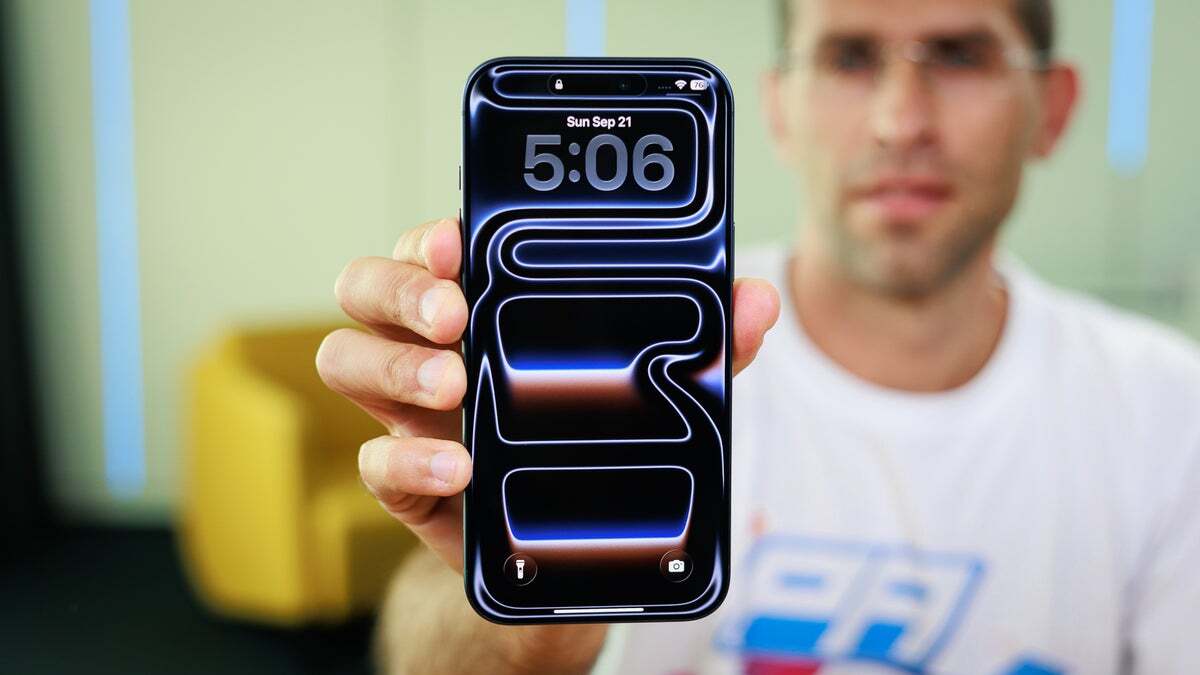
The iPhone 17 Pro Max. | Image by PhoneArena
- 6.9-inch OLED display
- Super Retina XDR display with ProMotion technology (adaptive refresh rates up to 120Hz)
- Resolution: 1320p
- Pixel density: 460 ppi
- Protection: Ceramic Shield (better protection against drops)
- 3,000 nits peak brightness
The iPhone 17 Pro Max display comes with a new peak brightness of 3,000 nits, which is an upgrade from last year. You still have True Tone and Night Shift modes to ensure the colors of the display match the current ambience.
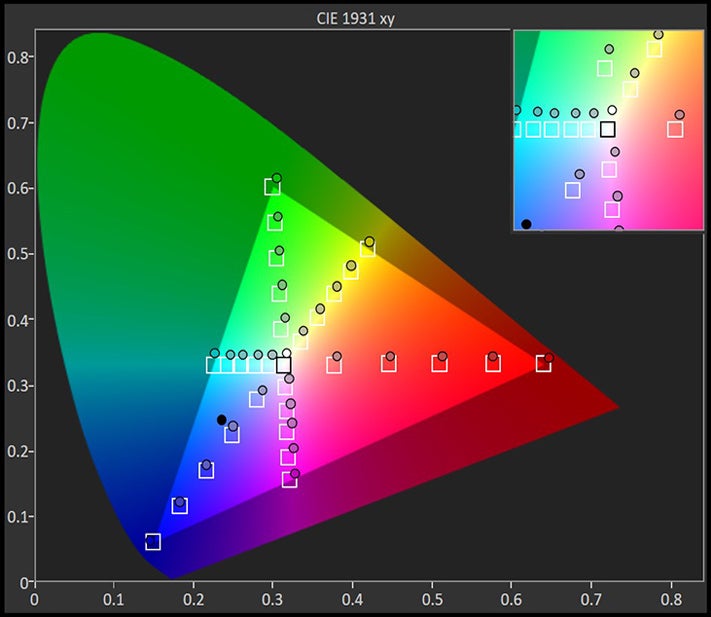
The 17 Pro Max’s display is mostly accurate but feels excellent in terms of user experience. Apple also slightly improved the anti-glare coating on the display. Details are clear, as you would expect.
Pixel 10 Pro XL
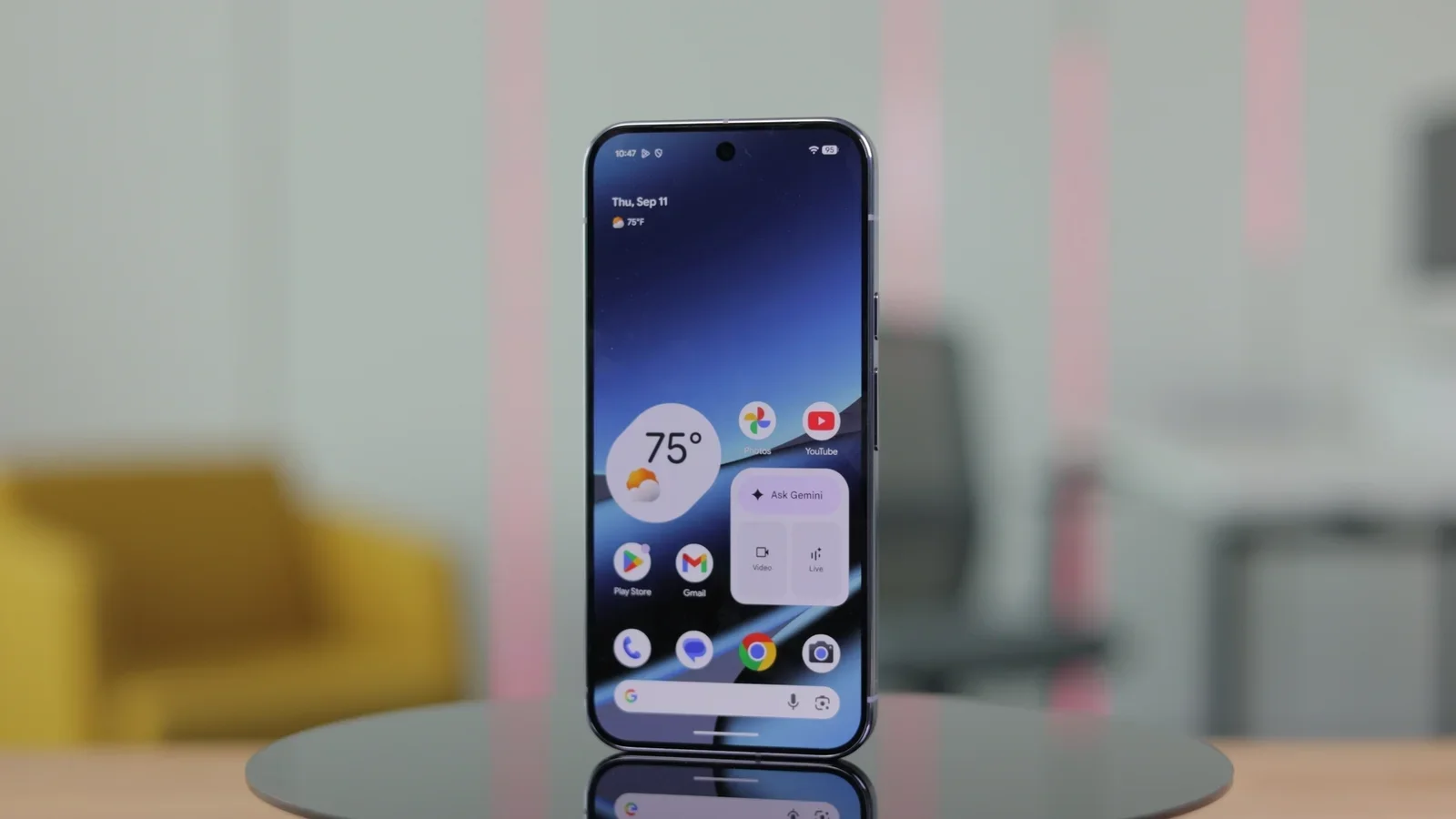
Pixel 10 Pro XL. | Image by PhoneArena
- 6.8-inch LTPO OLED with 120 Hz adaptive refresh rate and HDR10+
- Resolution: 1344p
- Pixel Density: 486 ppi
- Aspect Ratio: 20:9
- Protection: Corning Gorilla Glass Victus 2
- 3,300 nits peak brightness
The Pixel 10 Pro XL takes brightness up a level once again, after its predecessor did the same. The 2025 flagship Pixel comes with a peak brightness of 3,300, which is up 10% from last year.
You get a modern LTPO panel with a variable refresh rate, as expected, and great viewing angles. The display gets bright and punchy and it’s easy to view under direct sunlight.
Google still needs to improve on the minimum brightness a little bit, as still 1.8 nits is not entirely comfortable for bedside viewing. Luckily, you can take advantage of the Pixel’s blue light filter and soft colors for nighttime.
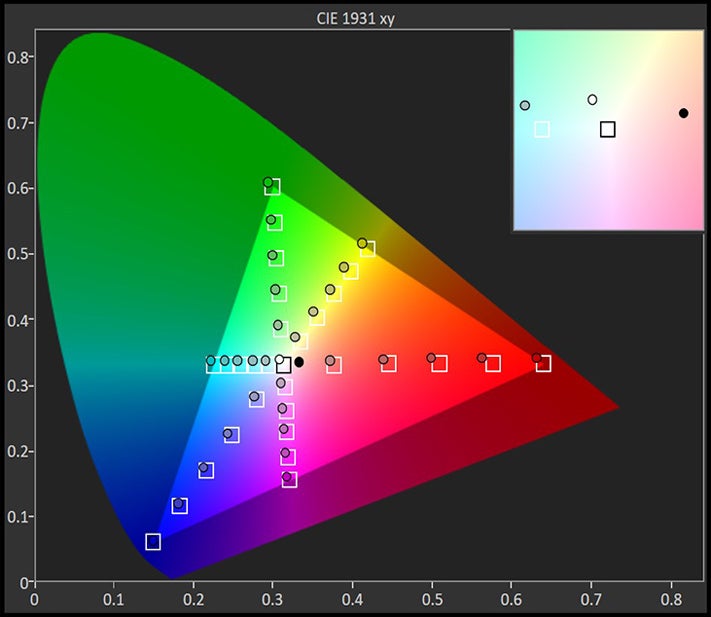
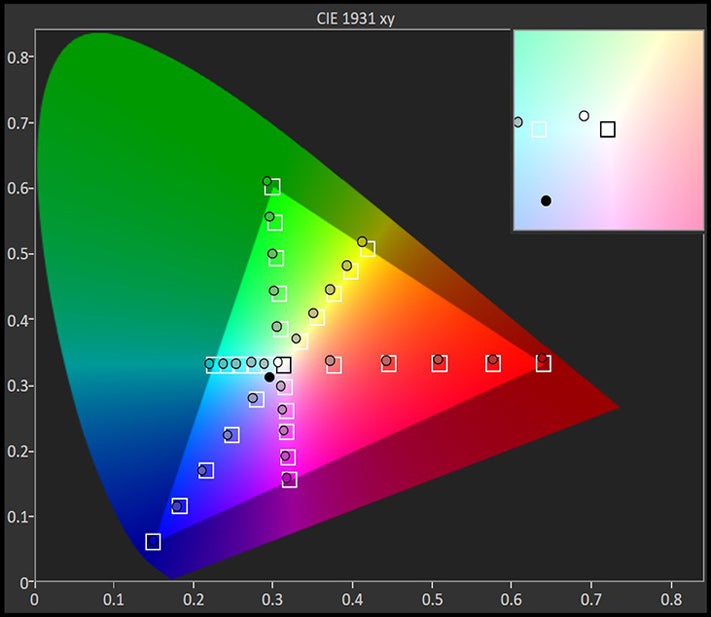
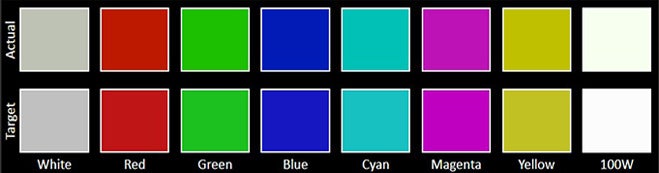
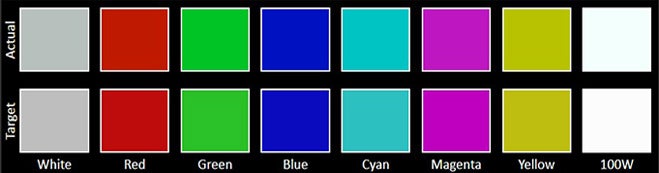
Speaking of colors, the Pixel 10 Pro XL’s display is very accurate.
You get a modern LTPO panel with a variable refresh rate, as expected, and great viewing angles. The display gets bright and punchy and it’s easy to view under direct sunlight.
Google still needs to improve on the minimum brightness a little bit, as still 1.8 nits is not entirely comfortable for bedside viewing. Luckily, you can take advantage of the Pixel’s blue light filter and soft colors for nighttime.
OnePlus 15
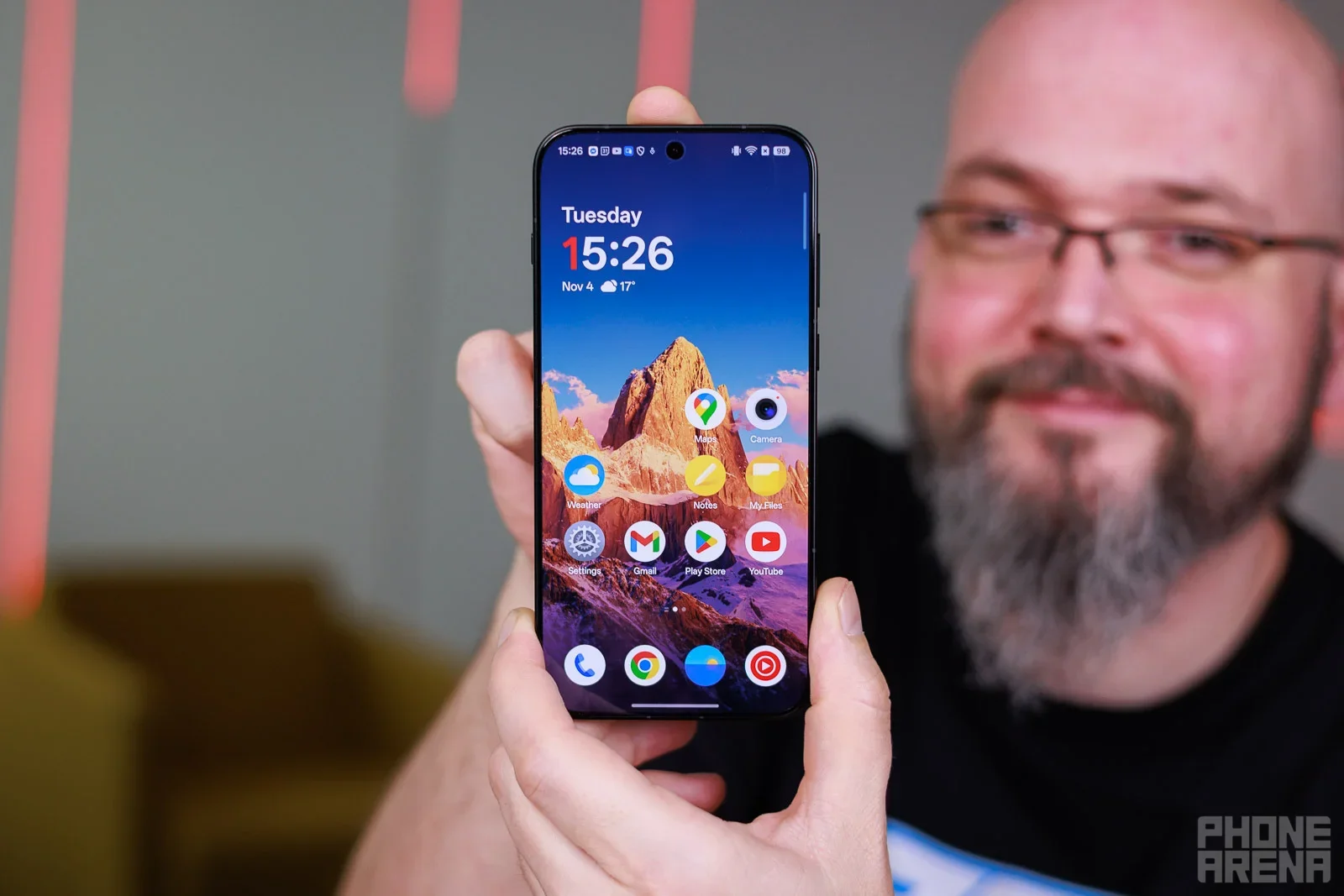
The OnePlus 15. | Image by PhoneArena
- Size: 6.8-inch
- Resolution: 1440p
- Pixel Density: 510 ppi
- Aspect Ratio: 19.8:9
- Refresh Rate: Adaptive 1-120Hz
- Protection: Corning Gorilla Glass Victus 2
- Other features: 2160Hz PWM dimming for reduced eye strain
- 3,500 nits peak brightness
The OnePlus 15’s display is excellent. It comes with an impressively bright display in terms of peak brightness, which can go nearly 3,500 nits. Unfortunately, it’s not as good as the iPhone 17 Pro and the Galaxy Ultra when it comes to reflections, as it doesn’t have an anti-reflective coating.
In terms of minimum brightness, it doesn’t go all the way down to what the iPhone and the Galaxy achieve, and it’s like the Pixel – 1.8 nits. That’s not the best when it comes to viewing it at night.
However, it does have DC-like dimming at brightness levels above 25%, which reduces eye strain. Below 25% of brightness, the OnePlus 15’s display switches to a 2160 Hz PWM dimming, which is easier on the eyes as well. If you have sensitive eyes, you’ll feel that difference in terms of comfort when viewing the OnePlus 15’s display.
In terms of minimum brightness, it doesn’t go all the way down to what the iPhone and the Galaxy achieve, and it’s like the Pixel – 1.8 nits. That’s not the best when it comes to viewing it at night.


Popular stories



Latest News


Things that are NOT allowed:
To help keep our community safe and free from spam, we apply temporary limits to newly created accounts: