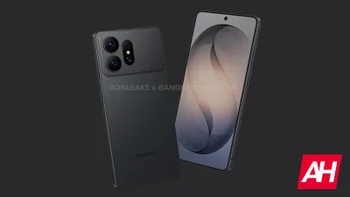
iPhone Flip release date expectations, price estimates, upgrades

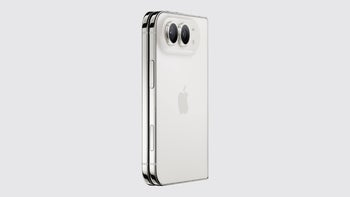
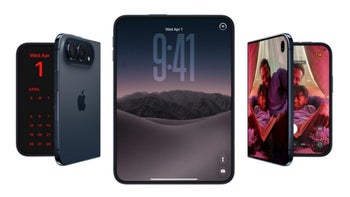
- Apple's first clamshell foldable iPhone
- Display crease expected to be minimal or absent – though no specific leak has confirmed this for the Flip
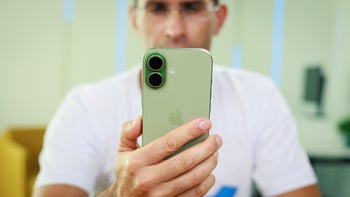
- 48MP primary rear camera
- Launch could slip to 2027 or later
- Somewhere in the late 2026 to early 2027 range, though the schedule remains uncertain enough that additional delays can't be ruled out.
- Nothing confirmed yet. The starting point will likely match or exceed what clamshell rivals like the Galaxy Z Flip 7 or Z Flip 8 command.
iPhone Flip release date
| Foldable | Release date |
|---|---|
| Foldable clamshell iPhone (iPhone Flip) | Early 2027, expected* |
| Samsung Galaxy Z Flip | February 2019 |
| Huawei P50 Pocket | December 2021 |
| Motorola Razr | November 2019 |
iPhone Flip price
| Model | Price |
|---|---|
| Foldable iPhone Flip | $1,099 or more*. |
| Samsung Galaxy Z Flip 7 | $1,099 |
| Motorola Razr+ | $1,099 |
| Motorola Razr Ultra 2026 | $1,499.99 |
iPhone Flip camera
Should the Flip's launch push into late 2027 or slip even further, the camera system it ships with could end up more advanced than what the current rumor cycle describes.
iPhone Flip design
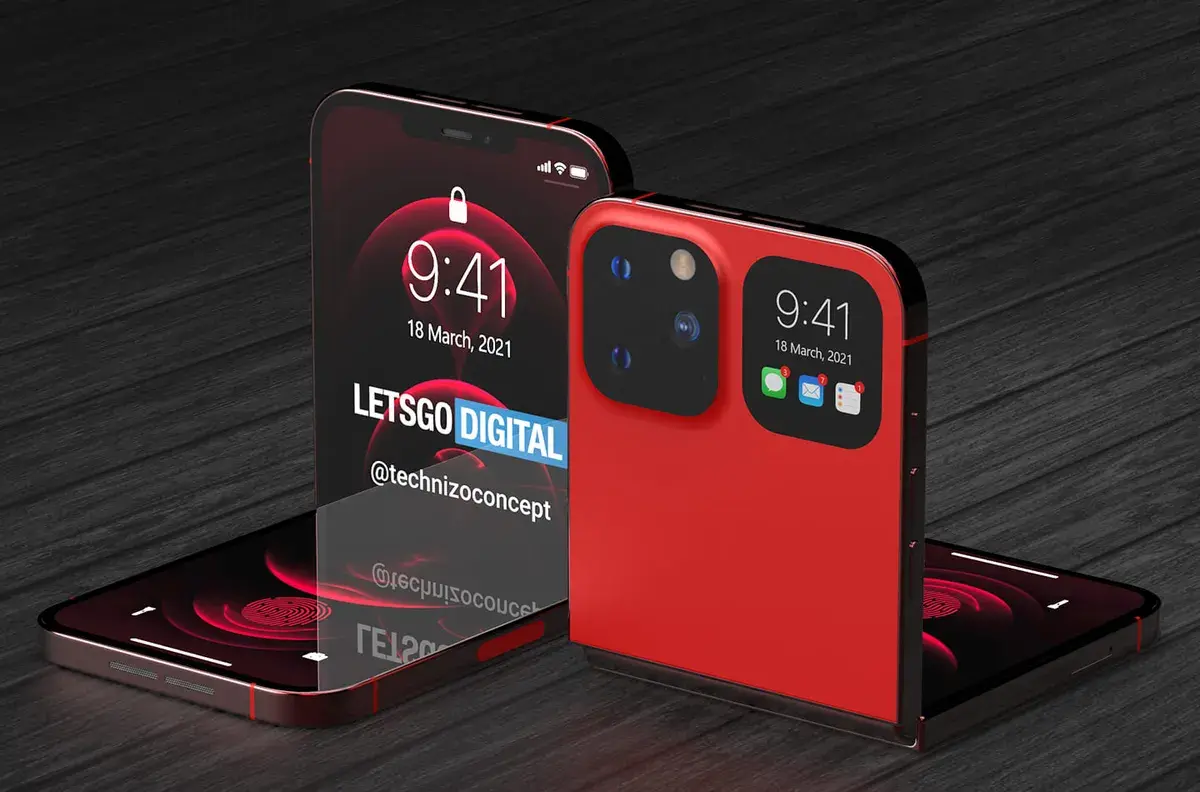
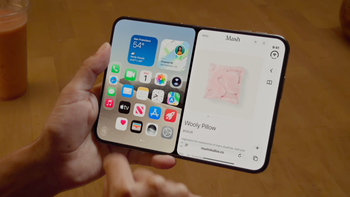
The iPhone Duo gives the first real look at how Apple approaches foldable construction. It uses grade 5 titanium machined to a mirror-polished finish, a 3D-printed hinge cover in a contrasting micro-blasted finish, and Ceramic Shield 2 on the front displays.
Whether Apple carries the same material choices to the more compact Flip remains unconfirmed, but the Duo establishes a clear baseline for what Apple considers acceptable build quality in a foldable.
iPhone Flip display
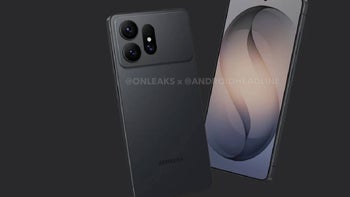
Display dimensions for the iPhone Flip haven't appeared in any leaks. The existing clamshell foldable market offers a reasonable sense of the likely range:
- Galaxy Z Flip 7: 6.9-inch folding display, 4.1-inch cover display
- Motorola Razr+: 6.9-inch folding display, 3.6-inch cover display
- Oppo Find N3 Flip: 6.8-inch folding display, 3.3-inch cover display
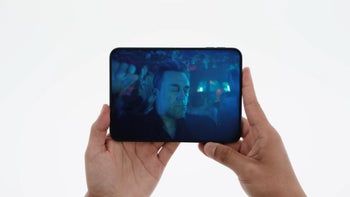
On the crease question: Apple's book-style foldable is rumored to achieve a near-invisible or fully eliminated display crease – a significant engineering milestone if the claim holds up in practice.
The iPhone Duo's inner display uses a multilayered construction with a custom polymer cover layer rated at up to 40% higher stiffness than other materials in the industry, custom adhesives that allow layers to glide past each other during folding, and high-strength glass above and below the folding panel. Apple describes the crease as minimal – nano-texture finish helps reduce its visibility.
If similar engineering carries over to the Flip, Apple's clamshell could set a new bar for crease quality in the category. That said, the geometry of a clamshell fold is different from a book-style, and the two present distinct engineering challenges.
iPhone Flip battery
Whether Apple carries that approach over to the Flip is an open question, but it does indicate the company is actively engineering around the battery-in-foldable challenge rather than simply accepting the trade-offs that come with it.
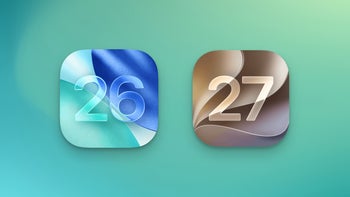
iPhone Flip software
Should I wait for the iPhone Flip?
- You should wait for the iPhone Flip if you own a reasonably recent iPhone and have no immediate pressure to upgrade. The Flip is shaping up as a premium, compact iOS foldable — the right device if the clamshell form factor appeals to you but switching to Android to get one does not. Holding out also makes sense if you want to see how Apple handles the crease on its book-style foldable first, since engineering solutions developed for that model could carry over to the Flip. The iPhone Duo's October 2026 launch also gives you something concrete to evaluate in the meantime – if Apple's approach to foldable construction appeals to you in that form factor, the Flip is likely to follow a similar philosophy in a more pocketable package.
- You should not wait for iPhone Flip if you need a new phone in the near term. The clamshell model has already been pushed back once, 2027 is the optimistic estimate, and further delays remain a genuine possibility. If you're already satisfied with what Samsung or Motorola offer in the clamshell space – or simply don't want to hold out indefinitely for a first-generation product with no confirmed ship date – buying something available today is the more practical decision. And if staying on iOS isn't a requirement, Android clamshell foldables are already mature, competitively priced, and widely available.