Asus ZenWatch 2 Review

Introduction
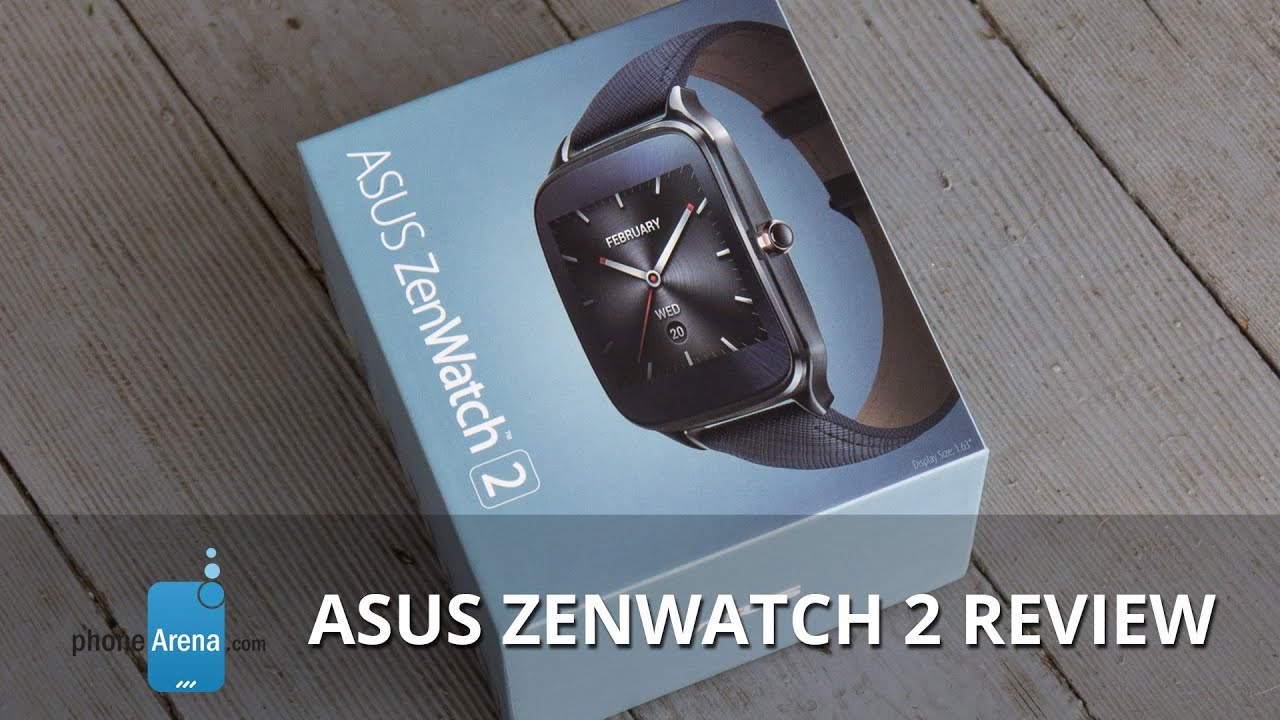
- Asus ZenWatch 2
- Magnetic USB cable
- Wall charger
- Get started guide
- Safety information
Design
More colors, sizes, and straps elevates its design, but it’s still largely the same looking thing from last year.
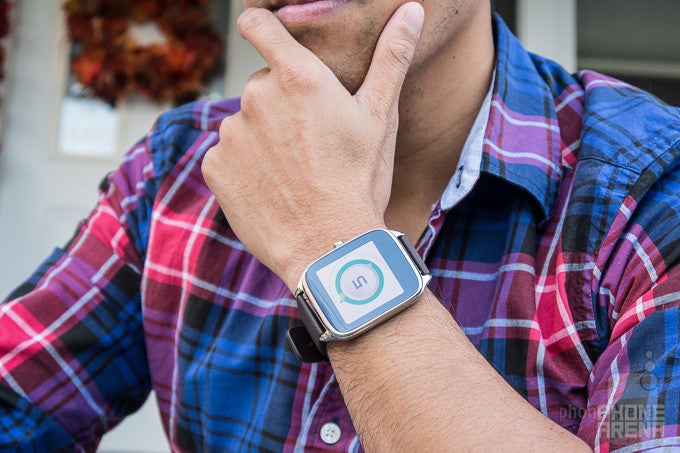
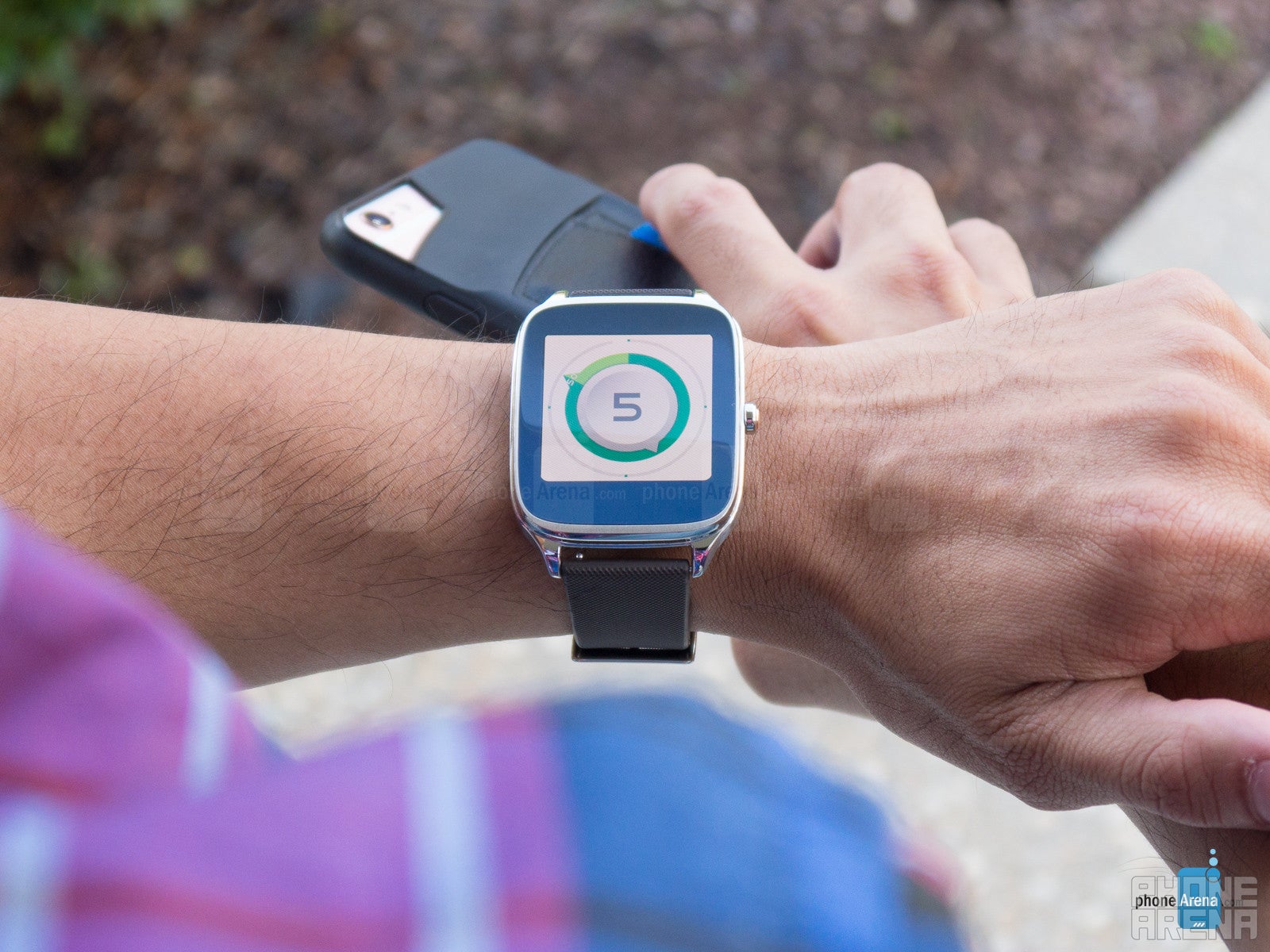
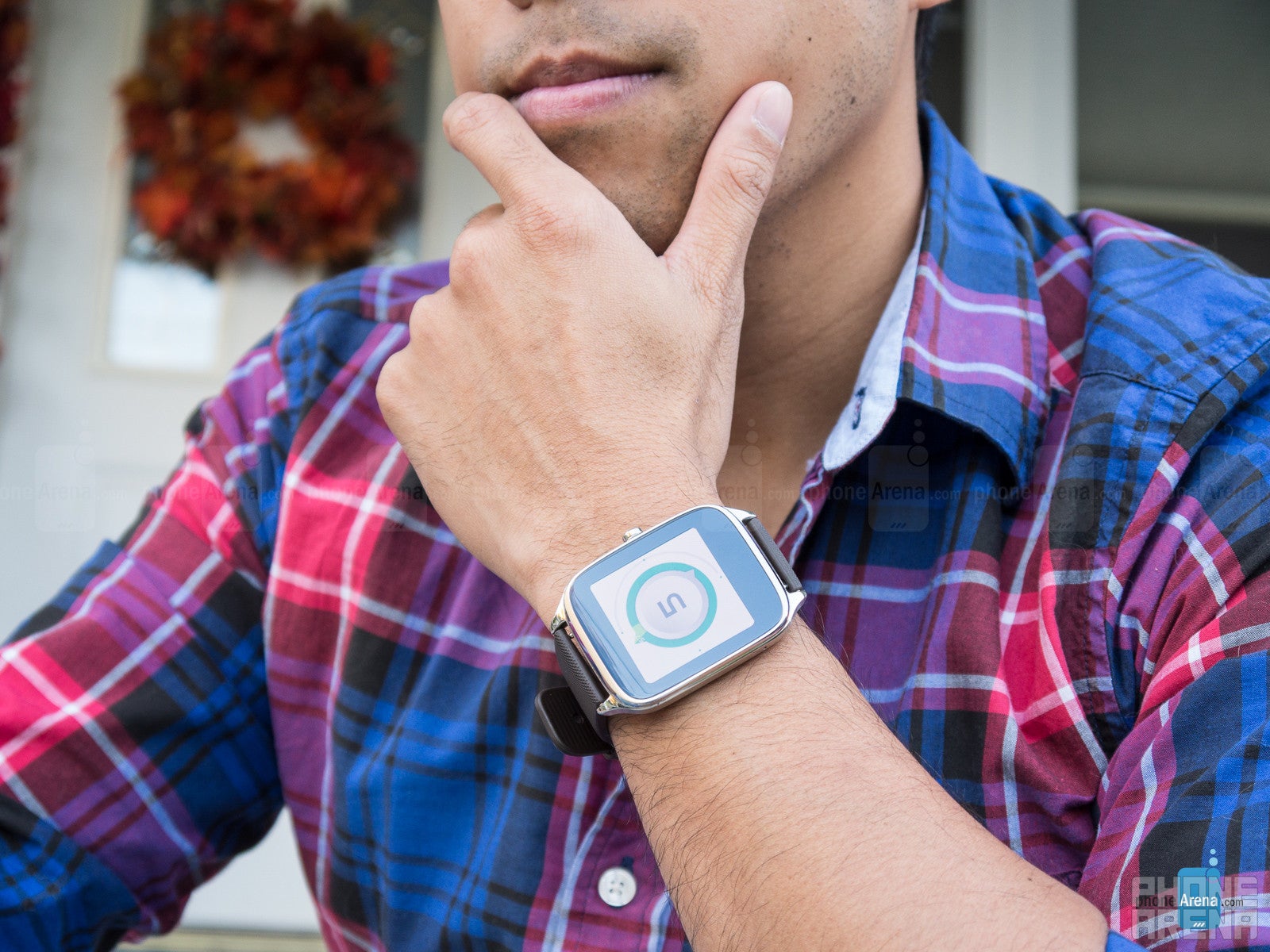
Frankly, little has changed with its design. While it still favors the square shaped design, there are now more options to choose from – like its size, case color, and more straps. Now that it’s available in small and large sizes, which have screen diagonals of 1.45-inches and 1.63-inches respectively, you won’t have to settle on a single size anymore, potentially allowing it to be a bit more proportional on the wrist.
This is all fine and dandy, especially when certain combinations can deliver a premium or casual look, but as a whole, it still looks closely to its predecessor. Our particular unit, the larger 1.63-inch one, looks okay with its stainless steel case and rubber wrist strap. However, the underside is comprised out of this hard plastic material, which is a stark contrast over the stainless steel bezel – so it just makes for an odd combination.
The crown is there merely for the single purpose of ‘activating’ the ZenWatch 2, whether it’s waking up the display by pressing it once, or holding it down for a few second to get access to its various menus. Strangely, the heart sensor from before is gone – a rather shocking turn of events. Even though Asus’ implementation with the original model wasn’t the most ideal, it’s just a bummer to see it gone altogether here with the ZenWatch 2. Making matters worse, you can tell the ZenWatch 2 to “measure my heart rate,” which then proceeds to suggest apps that can do it, but when you run the apps, like Wellness, it can’t even do it.
Display
No changes here, it’s the same square shaped 1.63-inch 320 x 320 AMOLED display from before.
Looking at the display present here with the ZenWatch 2, it’s identical to its predecessor – a 1.63-inch 320 x 320 AMOLED display delivering a 278 ppi pixel density, which is protected by 2.5D curved Corning Gorilla Glass 3. It’s good enough to make out everything on the screen, but after checking out the Huawei Watch, it’s noticeable that the ZenWatch 2 isn’t quite as sharp looking. Don’t get us wrong, we have no issues in reading out text, especially when we can increase the size of the font, but it doesn’t have as much clarity and definition that the Huawei Watch delivers.
AMOLED clearly has some advantages over its LCD rivals, mainly because it can achieve that deep black color, so in the dark, that black color doesn’t have even the slightest hint of grey to it. Colors are undeniably over-saturated here, punchy and overblown as usual with AMOLEDs. But viewing angles are great, which is something we're happy to have on a smartwatch.
Interface and Functionality
Same old, same old. The Android Wear experience here is complemented by the ZenWatch Manager app.
Specific to the ZenWatch 2, you can download the companion ZenWatch Manager app onto your Android smartphone to get access to additional watch faces and apps from Asus. We particularly like the Remote Camera app, which turns the ZenWatch 2 into a useful viewfinder with a few controls at our disposal. As for the various watch faces, using the ZenWatch Manager app enables us to customize their looks even further – and some of them are dynamic as well, such as the ‘cogs’ watch face.
Processor and Memory
Used by many other Android Wear smartwatches, the Snapdragon 400 proves to be an effective piece of silicon.
A favorite amongst the current lineup of new Android Wear smartwatches, the ZenWatch 2 is also powered by the quad-core 1.2GHz Qualcomm Snapdragon 400 chip with 512MB of RAM. We have no qualms with its performance, dishing up responsive gestures throughout the experience.
Connectivity
Battery
It’s good enough for an easy one-day of usage, but it’s still highly preferred to give it nightly charges.
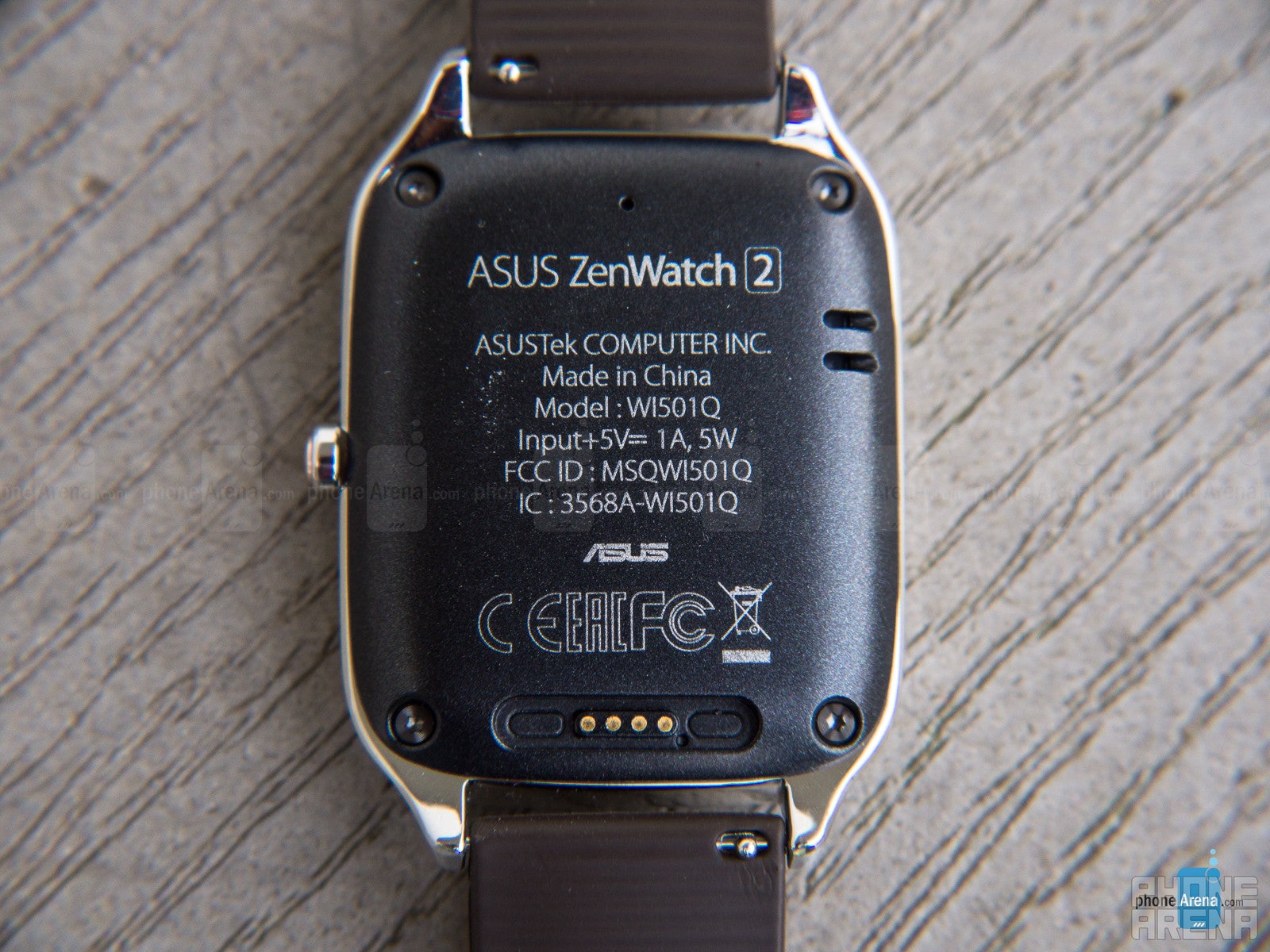
Speaking of charging, Asus improves the implementation here by now offering a simple, magnetic pin connection, as opposed to the bulky charging cradle from before. With the magnets attracting one another, the connection is instant and firm.
Conclusion
Asus doesn’t take any drastic measures to steer away from what they’ve done with their first Android Wear smartwatch. Yes, it’s mainly the same exact thing from before, but now it’s offering a better degree of options – though, it’s nothing like the impeccable customization we get with the 2nd generation Moto 360. The experience, too, sees no substantial upgrade from before, and in fact, we can achieve the same functionality and experience with the original ZenWatch.
It’s a good value considering it achieves nearly the same level of functionality as other Android Wear smartwatches, but if you’re a fitness buff, just know that there’s no heart rate sensor with this.
Software version of the review unit:
Android Wear Version: 1.3.0.2176821


Popular stories




Latest News


Things that are NOT allowed:
To help keep our community safe and free from spam, we apply temporary limits to newly created accounts: