A "Made in India" iPhone is coming, but China still holds the keys for now

iPhone 17 Pro prototype render. | Image credit — Majin Bu
This push aims to assemble most of the 60 million or so iPhones sold annually in the US in India by the end of 2026 or 2027. They've already increased capacity, and for current iPhone models, the production quality coming out of India is reportedly on par with China.
This is because launching a new product design requires mastering new parts and production techniques. Apple has historically always debuted its major new form factors from its "comfort zone" in China, and getting these intricate new devices built flawlessly elsewhere is seen as a long shot. It takes years to replicate that level of capability for entirely new product categories.
It's also important to remember that "Made in India" often refers to final assembly. Apple still relies heavily on a complex global supply chain, with many crucial components sourced from China and other regions. Shifting final assembly helps mitigate direct tariff impacts on finished goods, but the underlying component dependencies remain.
Why China still holds the keys
Here's the crucial nuance Gurman points out: this big India push primarily applies to assembling existing or iterative iPhone designs. When it comes to brand-new, highly complex devices (think Apple's much-rumored first foldable iPhone or a potential glass-centric Pro model for the iPhone's 20th anniversary) the company is expected to stick with its established Chinese manufacturing partners, at least initially.It's also important to remember that "Made in India" often refers to final assembly. Apple still relies heavily on a complex global supply chain, with many crucial components sourced from China and other regions. Shifting final assembly helps mitigate direct tariff impacts on finished goods, but the underlying component dependencies remain.
Additionally, reports indicate that manufacturing in India currently costs Apple a bit more (perhaps 5-8%) than in China, and scaling up infrastructure presents its own challenges. Rivals like Samsung, however, have already established large-scale manufacturing in India for years, showing it's definitely feasible long-term.
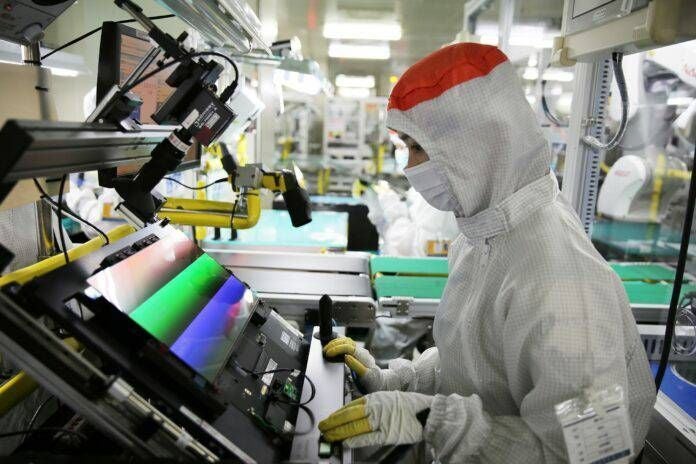
Samsung already has established manufacturing plants in India. | Image credit — Samsung
What this means for iPhone buyers
So, what does this mean for us, the consumers? We might see standard iPhone models increasingly assembled in India for the US market, but the most innovative, groundbreaking new designs could continue launching out of China initially. It all depends on how trade relations go, which will definitely impact the cost or availability of those cutting-edge models down the line.

Popular stories






Latest News






Things that are NOT allowed:
To help keep our community safe and free from spam, we apply temporary limits to newly created accounts: