
Xiaomi Mi 6 Review

UPDATE: You can now read our Xiaomi Mi 9 Review!
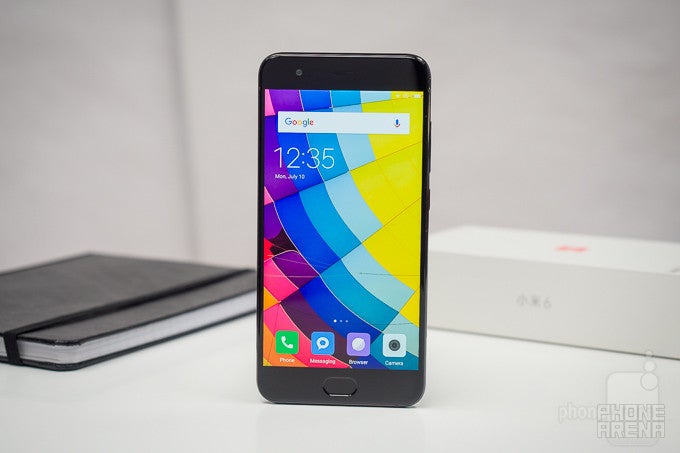
Introduction
In the smartphone world, most of the time the public’s gaze is pointed at your Samsungs and Apples and LGs; the brands that make the flashiest and most eye-catching devices out there. But they are far from the only players on the market, especially once you enter markets such as China where the no-compromises approach doesn’t work out nearly as well.
So it’s no surprise that Xiaomi, one of the bigger smartphone makers in the People’s Republic, would make its flagship device, the Mi 6, so seemingly pedestrian: it has already proven it can do new and weird with the Mi MIX, but now it’s time to actually sell devices, so some corners inevitably have to be cut to be able to deliver good specs at a competitive price.
Design
Been there, done that
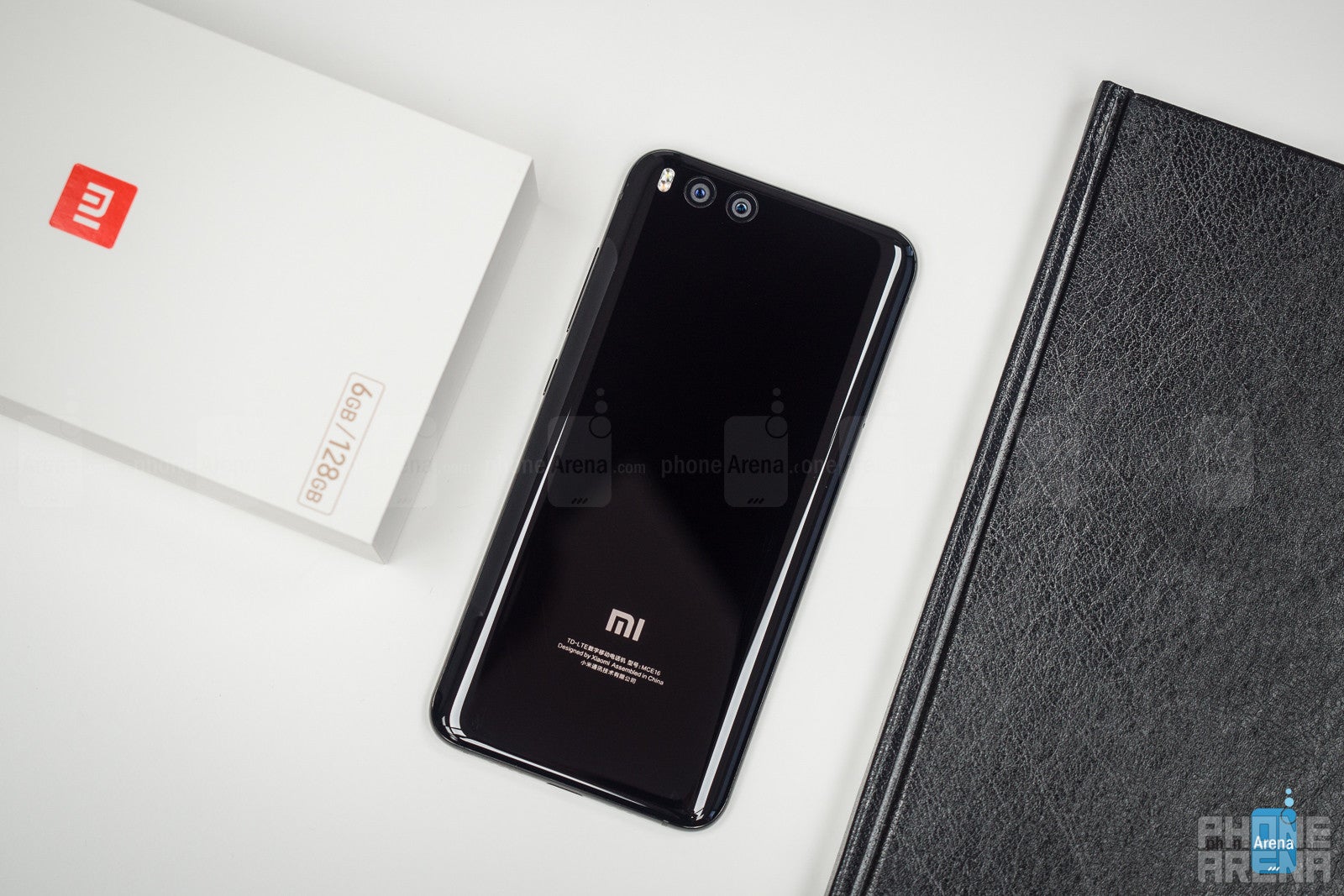
Xiaomi makes a big deal out of the trendy reflective glass that covers the entirety of the Mi 6’s back, but in reality its shininess is nothing to write home about. The only real decorations on the back are the dual camera module on the top left, and an Apple-esque “Designed by Xiaomi Assembled in China [sic]” marking on the lower center (spoiler: the Apple thing is a recurring theme throughout this review).
The metallic frame surrounding the Mi 6’s edges plays host to an IR blaster mounted at the top and stereo speakers which can be found on the bottom. Xiaomi also chose to follow the trend and remove the 3.5 mm headphone jack, though it does provide an adapter inside the box.

5.72 x 2.78 x 0.29 inches
145.17 x 70.49 x 7.45 mm
5.93 oz (168 g)

6.07 x 2.92 x 0.29 inches
154.2 x 74.1 x 7.25 mm
5.40 oz (153 g)

5.72 x 2.73 x 0.27 inches
145.3 x 69.3 x 6.98 mm
5.11 oz (145 g)

5.86 x 2.83 x 0.31 inches
148.9 x 71.9 x 7.9 mm
5.75 oz (163 g)

5.72 x 2.78 x 0.29 inches
145.17 x 70.49 x 7.45 mm
5.93 oz (168 g)

6.07 x 2.92 x 0.29 inches
154.2 x 74.1 x 7.25 mm
5.40 oz (153 g)

5.72 x 2.73 x 0.27 inches
145.3 x 69.3 x 6.98 mm
5.11 oz (145 g)

5.86 x 2.83 x 0.31 inches
148.9 x 71.9 x 7.9 mm
5.75 oz (163 g)
Compare these and other phones using our Size Comparison tool.
Display
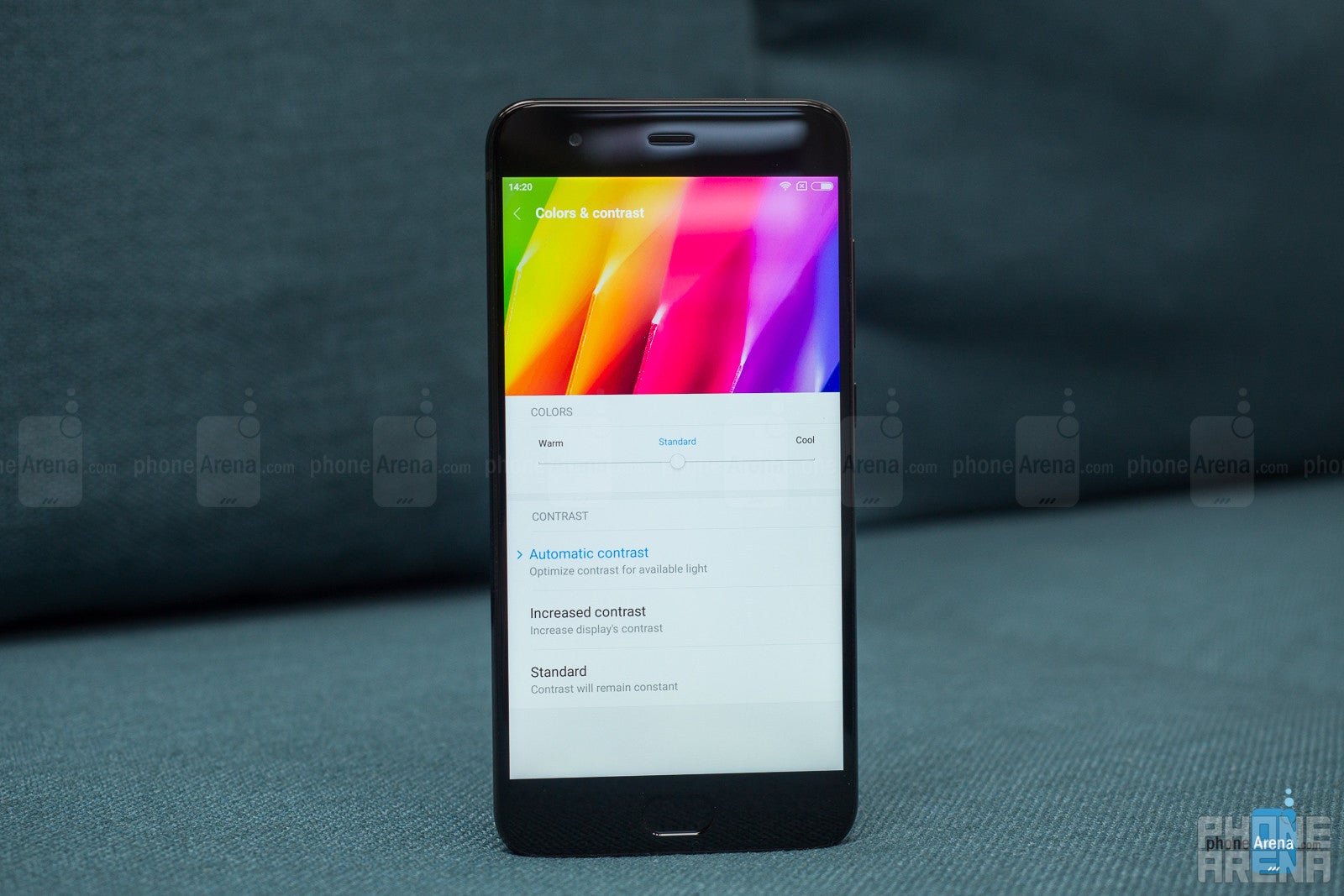
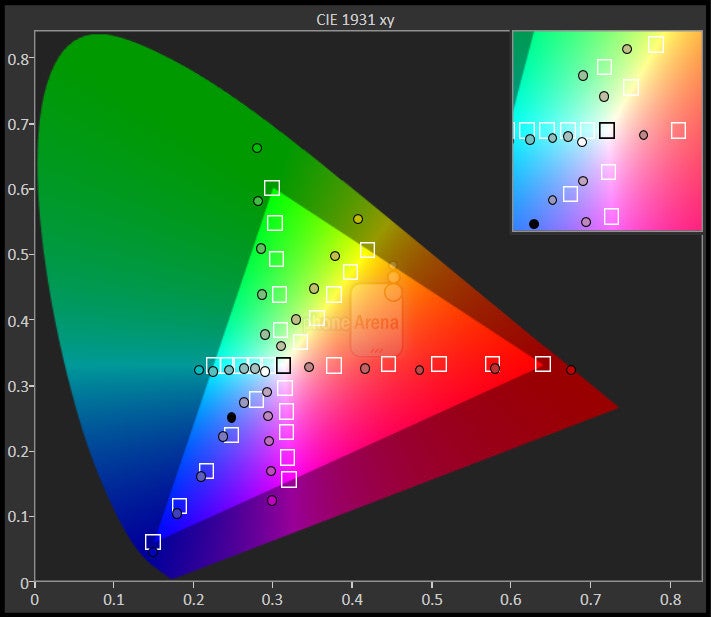
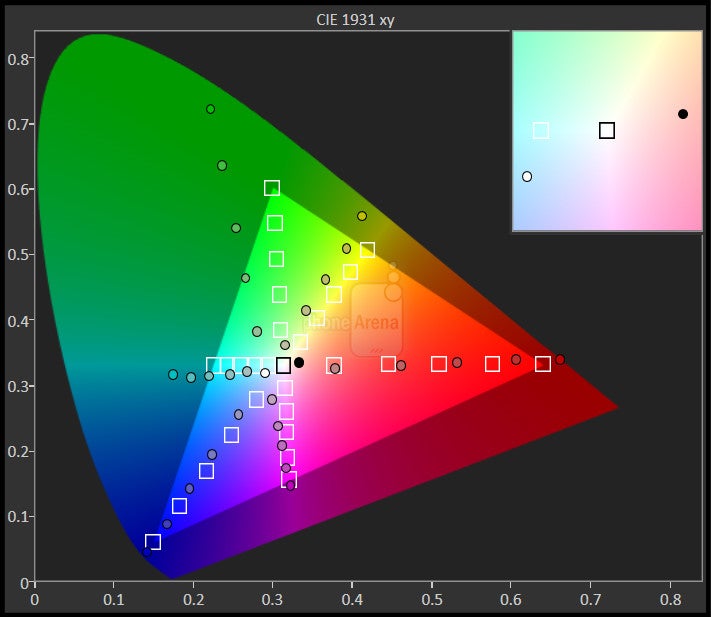
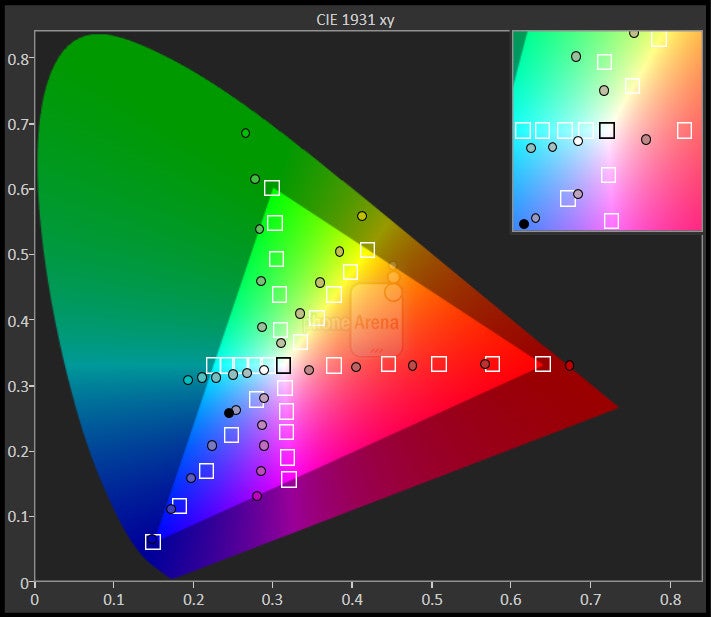
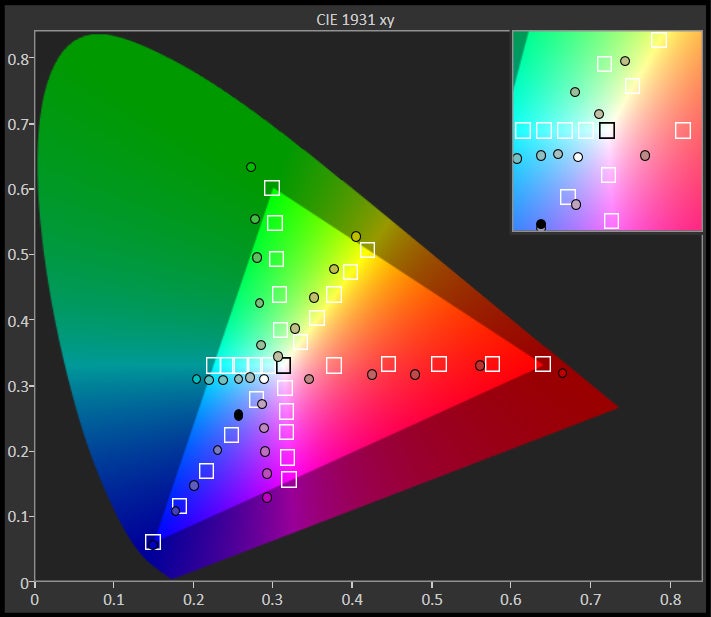
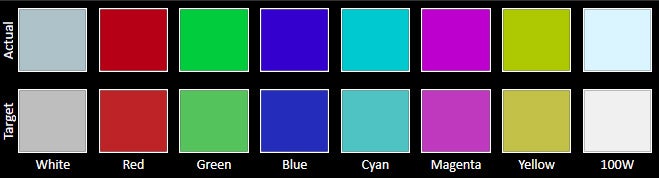
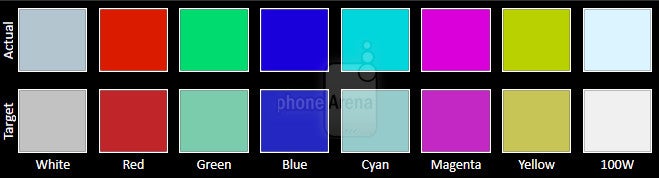
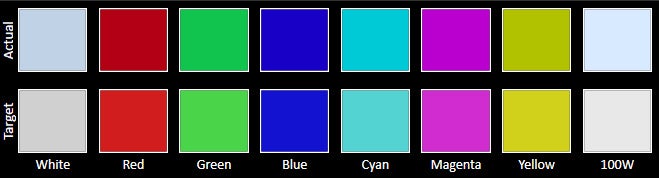
Seeing as the Mi 6’s price range is in the lower end of the flagship spectrum, it’s only natural we’ll be seeing a few corners get cut. Such is the case with the display, a 5.2-inch, Full HD LCD panel, which is noticeably cold and inaccurate in terms of color representation. To Xiaomi’s credit, this can be fixed, but only inside a confusing settings menu which claims to affect the contrast instead.
The glass panel in front of the panel doesn’t appear to be quite durable, as it managed to pick up some fairly noticeable scratches in the week or so we used the phone — bad news for people prone to handling their devices more roughly.





Interface and performance
MIUI is a tough pill to swallow if you’re not into iOS’ aesthetics
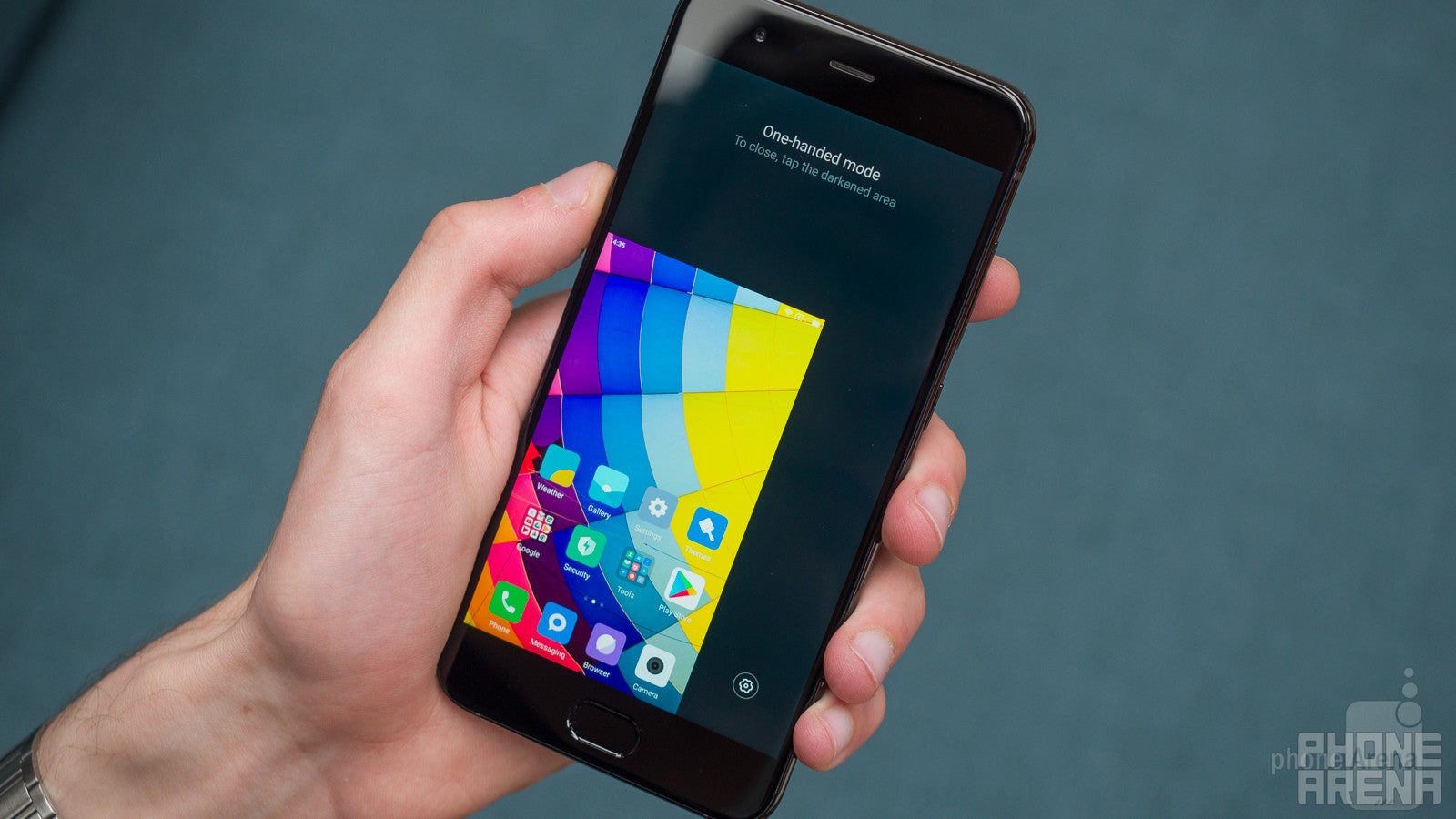
Like many other Chinese brands, Xiaomi’s in-house MIUI Android skin is an unashamed iOS copycat in almost every way. Still, it’s chock full of useful features, such as a built-in theming engine, a screen recorder, a one-handed mode (with a slightly ridiculous activation gesture), and more. There is, however, one glaring feature omission: split-screen multitasking isn’t included, despite there being no hardware limitations that would worsen its performance.
There’s two storage options for customers: a 64 GB one and a slightly more expensive 128 GB one. This is important due to the fact that the Mi 6 lacks an SD card slot, meaning you get only the storage you pay for, no backsies.
Camera
Where have we seen this before?
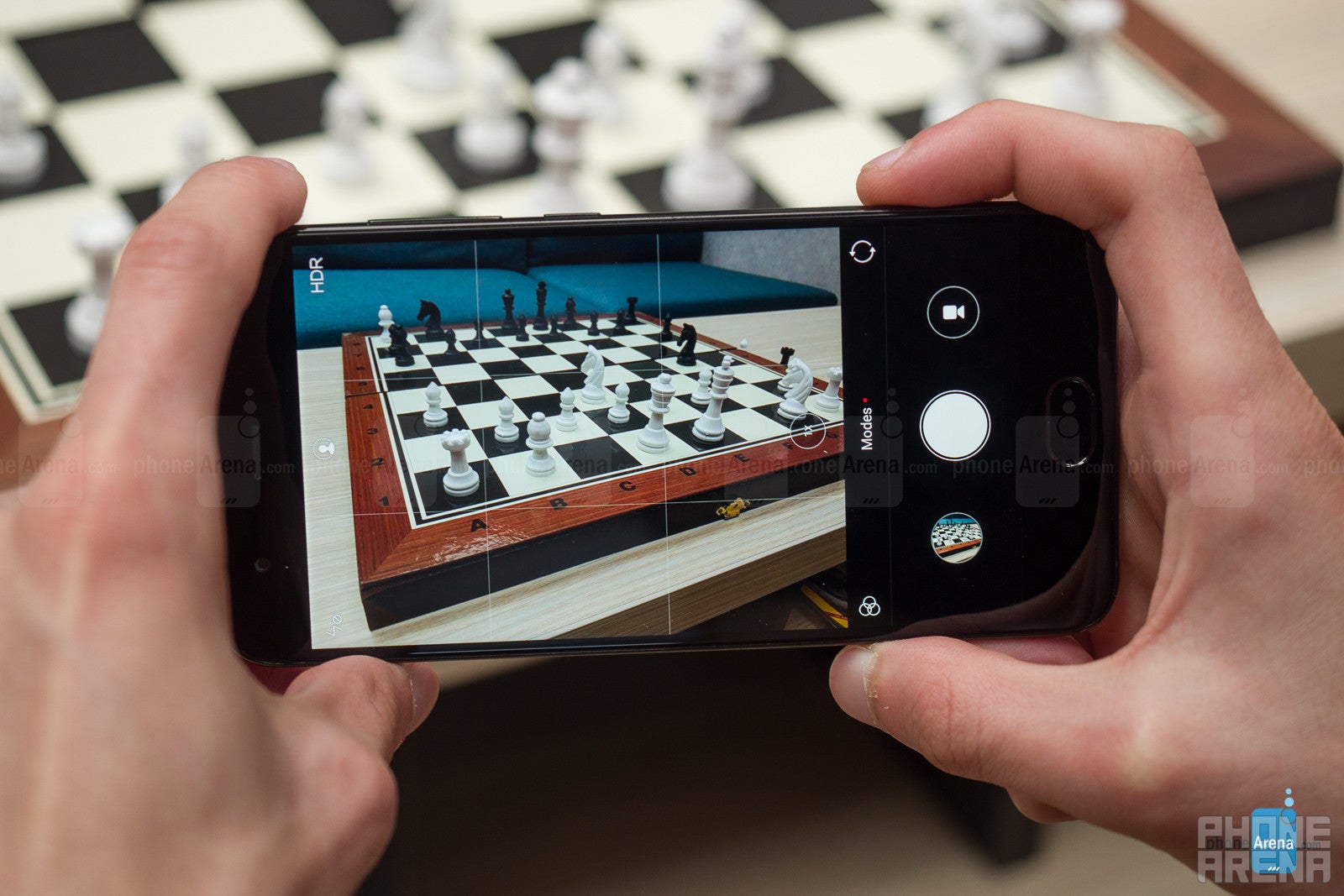
But as a reminder that Xiaomi really wants to be like Apple, the Mi 6 features a 12 MP rear-facing dual camera with one normal and one 2x zoom lens, the same configuration as the one in the iPhone 7 Plus. But even when not using the second camera (actually, precisely when not using it), the Mi 6 can take some quite stunning shots.
The overall experience of using the camera wasn’t great, though, as it (not just the app, but the camera itself) had a tendency to crash while we were using it, requiring a full phone restart in order to work again. This could have been both an overheating or a software issue — we’re not entirely sure, but we’ve informed Xiaomi of the issue and will update you if we hear back from them.
Image Quality
The dual sensors do little to justify their existence, but image quality is pretty good nonetheless
The Mi 6 can take some quite good photos, though 100% crops reveal that sharpness isn’t this camera’s strong suit. This is a bit more obvious in pictures taken using the 2x zoom camera, where shakiness becomes much more of a factor (the camera has optical stabilization on the regular camera only, though even there it’s barely doing anything).
The 8 MP front shooter is quite good as well, but you need to make sure to keep the built-in beautification filter off at all times, as it both makes your skin unnaturally soft, and also automatically judges your age based on your facial characteristics, which can be quite distracting (but can be turned off, thankfully).
The portrait mode — of course there’s one — can at best be described as “okay.” It works fine, but it takes a bit for the effect to kick in, and sometimes ghosting lines can be seen around the person or object in focus, making it less than ideal for that perfect artsy shot.
Xiaomi Mi 6 sample images
Videos, however, are a particular low point: even at the default 1080p quality (which can be increased up to 4k), the image is way too noisy and the stabilization is next to nonexistent. Also, the video camera seems to have some trouble focusing, as well as keeping a steady white balance.



Multimedia
As far as consuming media goes, the Mi 6 is sort of a mixed bag: first and foremost, there's no headphone jack present, which forces you to either use your existing wired pair via the adapter included in the box (which means not listening to music while charging), or having to use a Bluetooth-equipped pair instead. And as for the stereo speakers — while we'd prefer it if the second speaker was placed at the top of the device, their addition is still far more than many other current flagships can offer.
Call quality and connectivity
It’s fair to say the Mi 6 isn’t the best choice if what you’re looking for is a device to actually make calls on. Both the earpiece and the microphone are somewhat muffled, which could prove to be a problem in noisier environments.
Battery
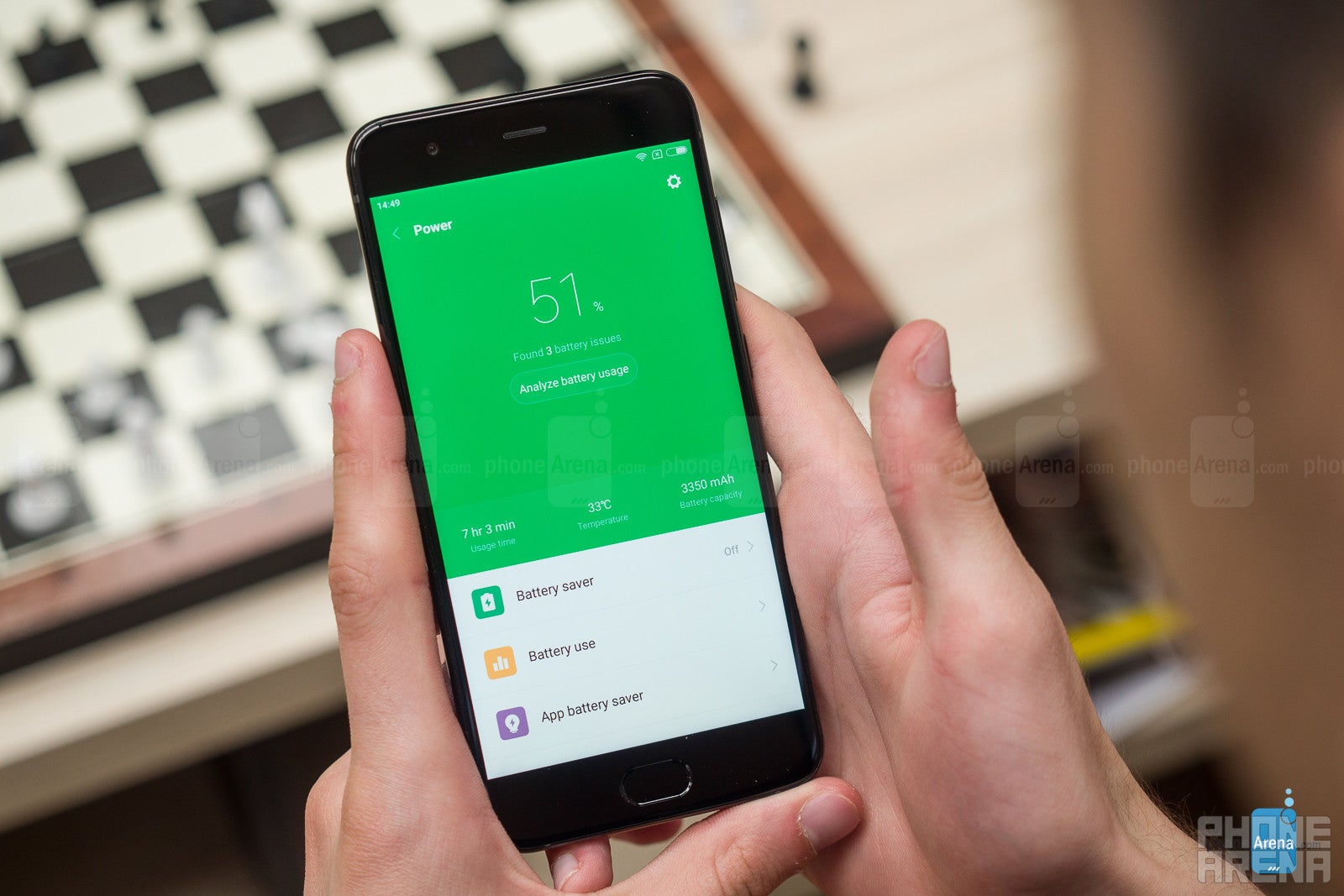
The Mi 6’s battery life is pretty good, with its non-replaceable 3,350 mAh battery scoring 9 hours and 14 minutes in our custom battery test. This beats every other Snapdragon 835 device out there, save for the OnePlus 5, which scored a full 4 minutes more. In practical terms, this means the Mi 6 will comfortably last you a whole day of moderate to high usage and still have some juice left, though your mileage will inevitably vary depending on your specific usage patterns.
Conclusion
You get what you pay for, for better or worse
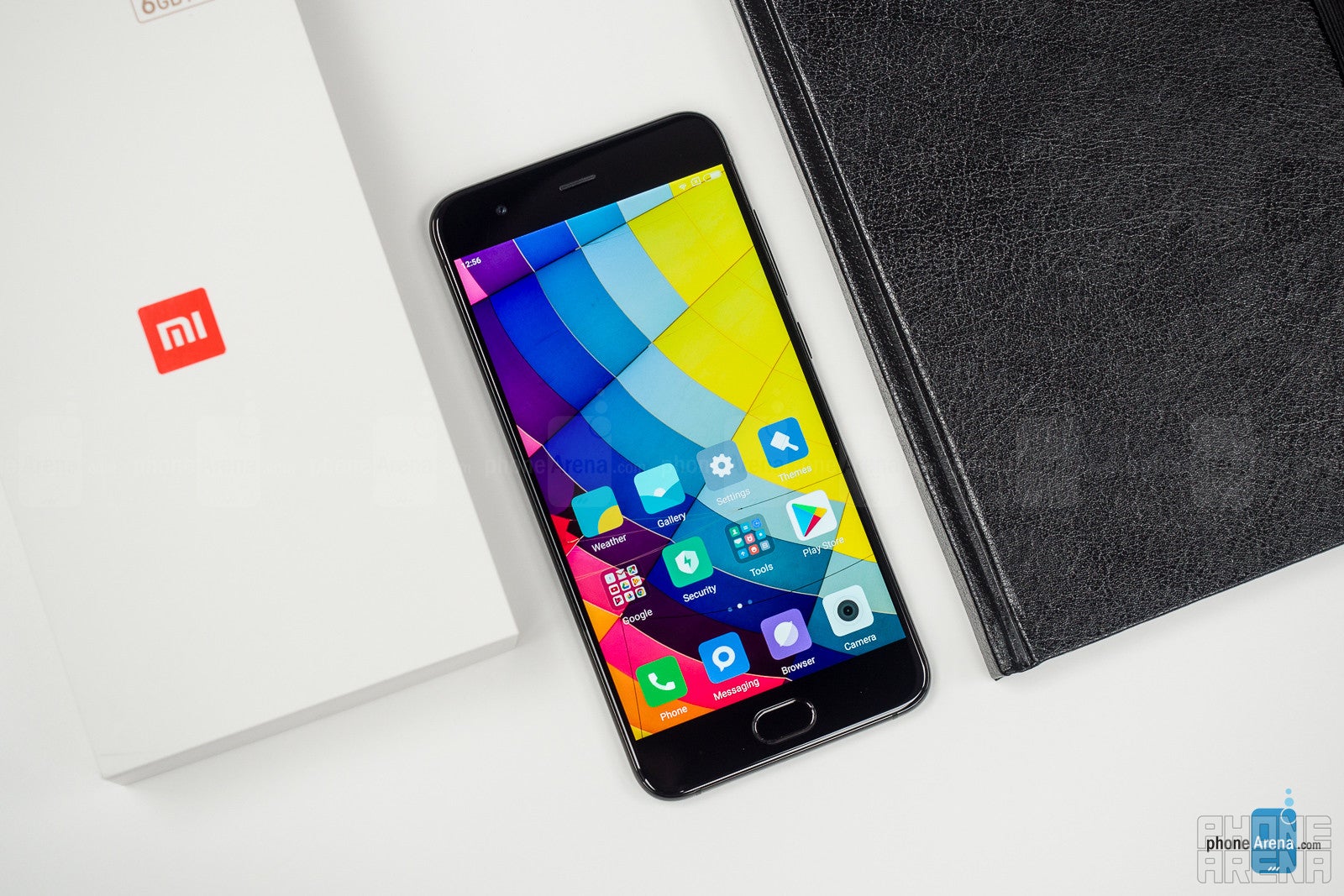
Here’s the short version: the Mi 6 is a good phone… with a few compromises. The biggest one, and also one that we haven’t discussed so far, is the fact that for most of you out there, there’s no easy way of buying it. That is, the Xiaomi Mi 6 is sold only in a handful of countries, so your best bet for getting one would be to order it from a Chinese retailer and hoping for the best. And even then you should make sure it can actually connect to your network, as it only supports a narrow subset of LTE bands.
But if you’re willing to take the risk, the phone will, in theory, net you about $360 for the 64 GB model and $420 for the 128 GB, which puts it in a price range once comfortably occupied by OnePlus, but now desperately seeking new occupants. And what you’ll get for that money is a top-of-the-line performer with a reasonably good camera and a number of extra features, which should be enough to satisfy many people out there.
So even though we’d comfortably call it a pretty good device, its drawbacks are still something well worth considering: the lack of a headphone jack, the heavily customized MIUI, and the subpar screen are all potential dealbreakers that shouldn’t be dismissed easily.
UPDATE: You can now read our Xiaomi Mi 9 Review!

Popular stories




Latest News




Things that are NOT allowed:
To help keep our community safe and free from spam, we apply temporary limits to newly created accounts: