Vivo S20 and S20 Pro go official with Qualcomm and MediaTek chipsets
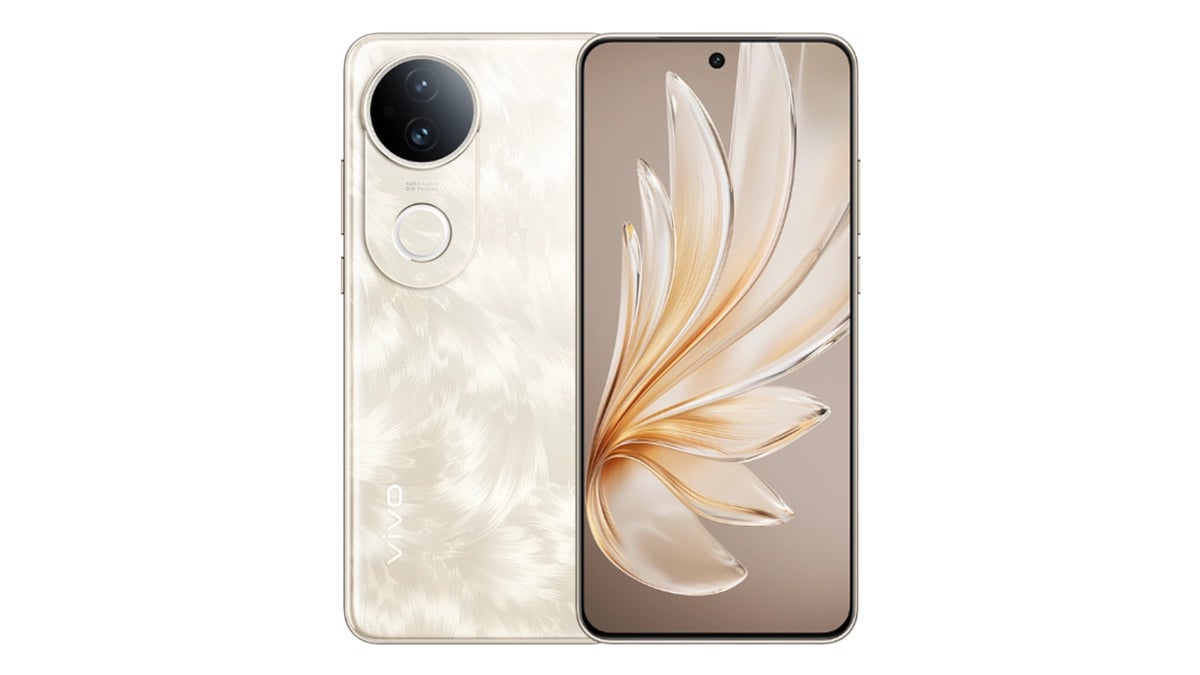
Vivo S20 | Image credits: Vivo
Vivo confirmed earlier this month its S20 series will be officially introduced in China at the end of November. True to its promise, the handset maker Vivo has just revealed its latest smartphones in the mid-range category, the Vivo S20 and Vivo S20 Pro. Although both are part of the S20 series and feature very similar designs, they are very different when it comes to hardware. The biggest difference between the two S20 series phones is the chipset they use inside.
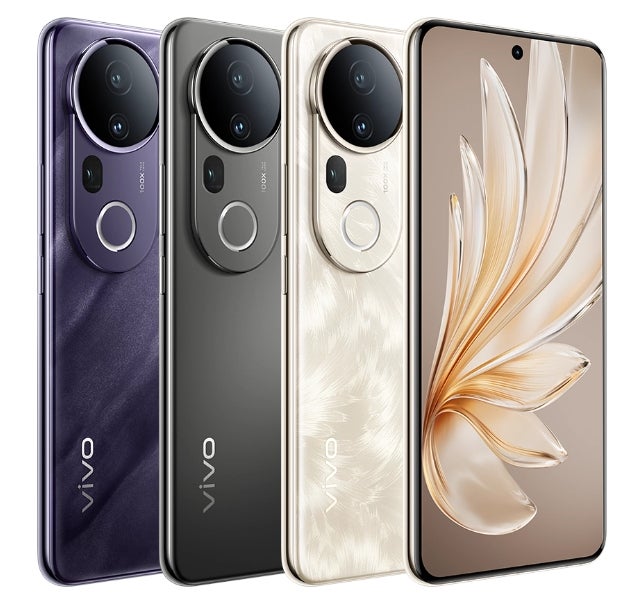
Vivo S20 Pro | Image credits: Vivo
Both phones come in multiple versions based on the amount of memory. The cheapest Vivo S20 model packs 8/256 GB RAM and costs just $315, while the most expensive one is priced to sell for $415 and comes with 16/512 GB RAM.
In comparison, the cheapest Vivo S20 Pro is available for $470 and features 12/256 GB RAM, whereas the most expensive model costs $550 and has 16/512 GB RAM.
The S20 and S20 Pro sport similar 6.67-inch AMOLED displays with FHD+ resolution, 120 Hz refresh rate, and 4500 nits peak brightness. The only difference is that the S20 is getting a flat panel, while the S20 Pro uses a curved screen instead.
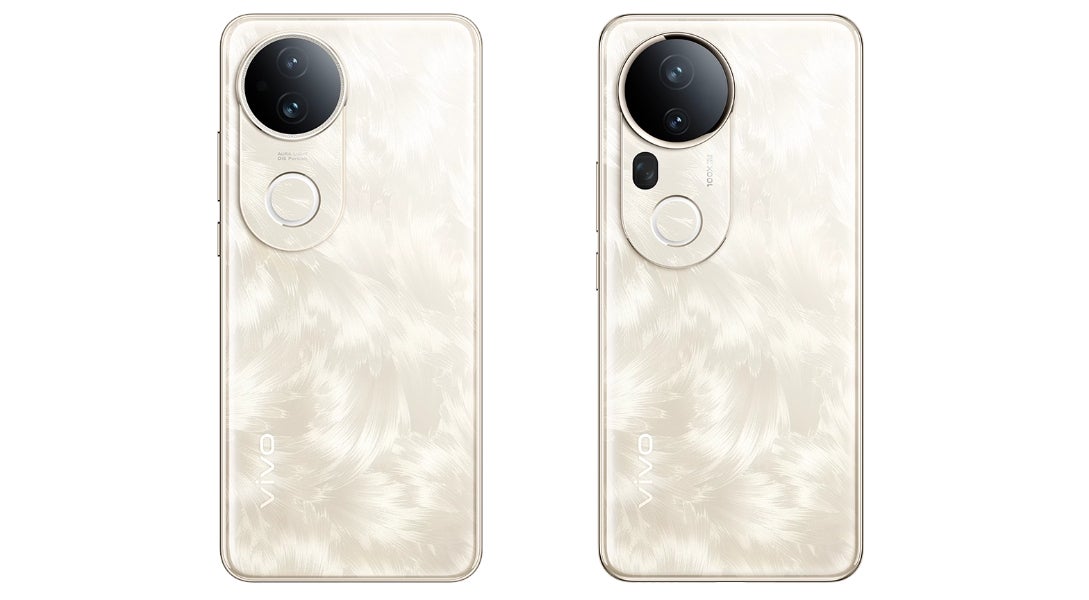
Vivo S20 vs. Vivo S20 Pro camera system | Image credits: Vivo
Another difference between the two S20 series phones is the camera system. The vanilla model features 50-megapixel main (OmniVision 50E sensor) and 8-megapixel ultra-wide cameras. In comparison, the S20 Pro boasts a 50-megapixel main camera (Sony IMX921 sensor), a 3x periscope zoom lens (Sony IMX882 sensor), and a 50-megapixel ultra-wide camera.
Finally, Vivo S20 is powered by a huge 6,500 mAh battery with 80W fast charging support, while the S20 Pro packs a much smaller 5,500 mAh battery with support for 90W fast charging speeds.


Popular stories



Latest News




Things that are NOT allowed:
To help keep our community safe and free from spam, we apply temporary limits to newly created accounts: