Editorials
You can’t imagine how giant the first iPhone was
This article may contain personal views and opinion from the author.
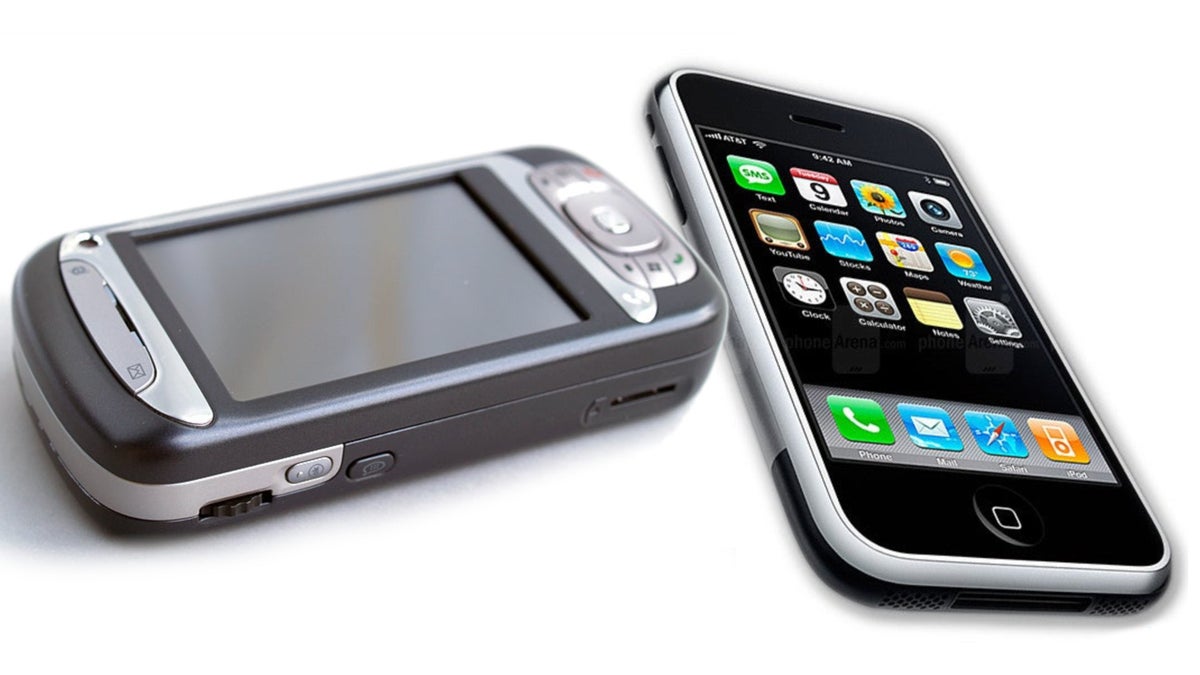
Looking at pictures of the original iPhone, I'm astounded by how different and courageous the thinking behind it must have been.
The first iPhone, released in 2007, marked a new era for cellphones. This device changed how we use personal technology, and its impact is felt across the tech industry to this day. It leapt ahead of its time and created a standard that other manufacturers could only dream of at the time.
To understand the magnitude of first iPhone, we must look at the smartphone landscape around the time of its release. If we simply compare the original iPhone to other smartphones from that, it quickly becomes evident how groundbreaking Apple's concept was. Unfortunately, these days Apple’s vision for the iPhone is nowhere near as bold, but that is a story for another day.
i against the world
The first iPhone wasn't just a step forward; it was a quantum leap, that much needs to be clear. It transformed smartphones from clunky, unwieldy, and perplexing gadgets to sleek, intuitive, and powerful companions. Before the iPhone, smartphones were primarily tools for business professionals, complete with physical keyboards, complicated menus systems, and tiny resistive screens, at best. They were more about function than form, and their user interfaces were a nightmare for anyone who wasn’t a true tech enthusiast.
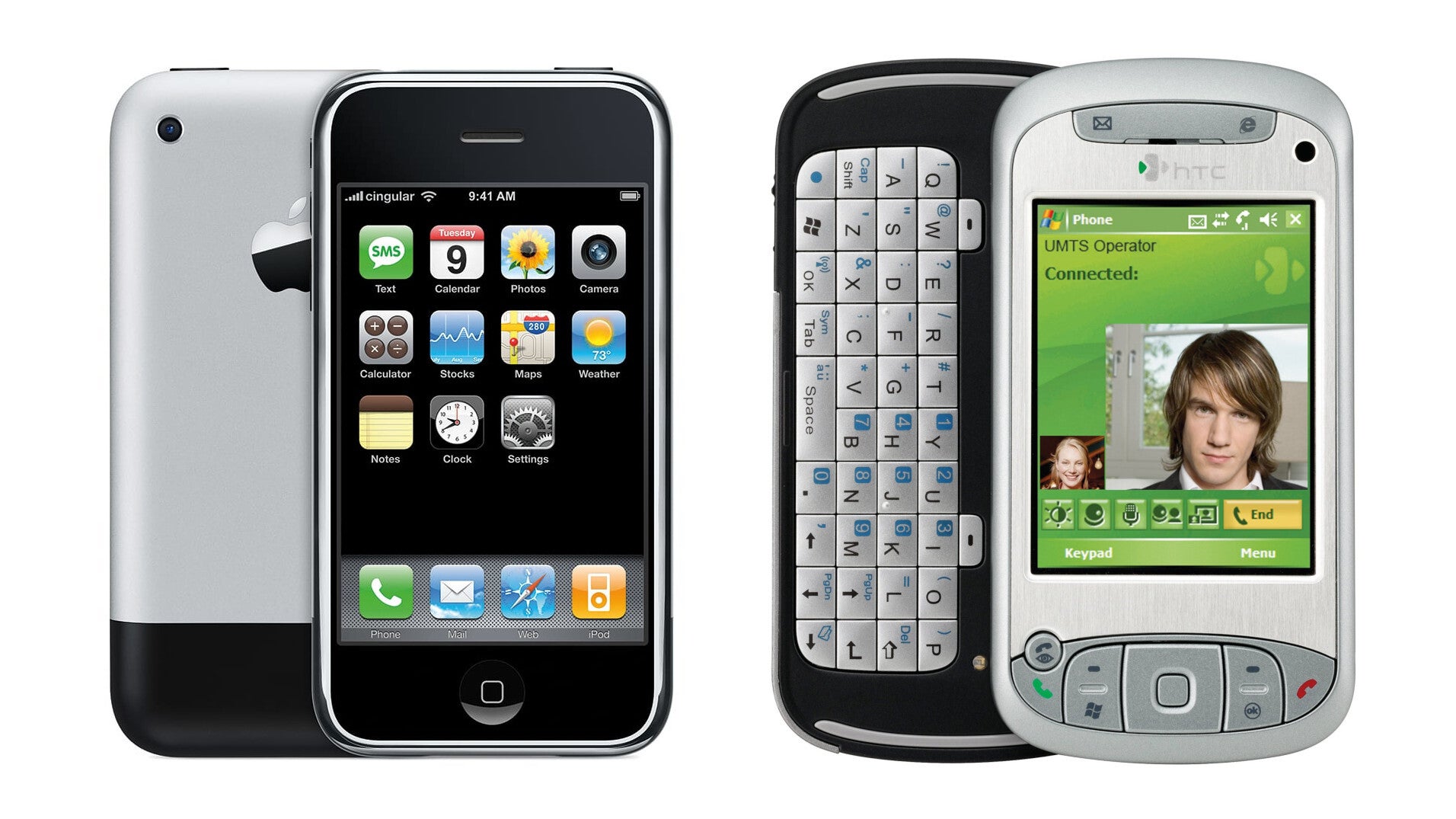
Original iPhone and HTC TyTN – these products must have come from two different planets.
These devices were capable, but they were from an era that didn't prioritize holistic user experience like Apple did with the iPhone.
This changes everything!
A fantastic book cover doesn't guarantee a wonderful book. The original iPhone would have never become such a phenomenon on the wings of its extraordinary design alone. So, it offered a revolutionary user experience. It was more than just another phone – it was a powerful mobile computer with a novel operating system that was intuitive, fast, and simple. This was iPhone OS (later renamed to iOS).
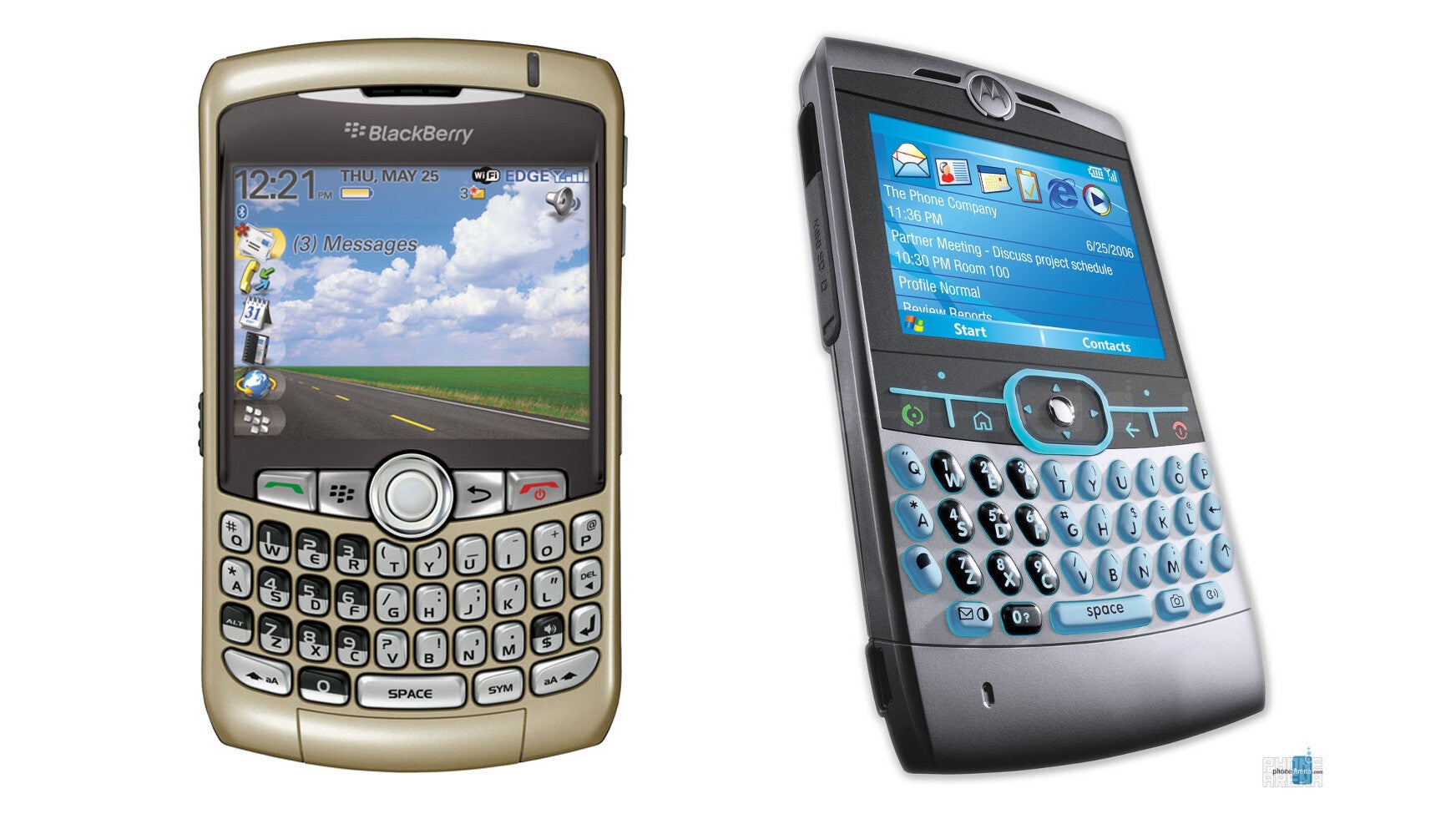
BlackBerry Curve and Motorola Q – this is what smartphones used to look like.
“5 years ahead of the competition”
Looking back, it's clear that the first iPhone was a giant in more ways than one. It wasn't just an Apple phone – it was a new way of thinking about what a phone could be.
From its revolutionary design to its groundbreaking functionality, the iPhone set a new standard for the entire industry and eventually, over the years that followed, changed the way we live and work. When announcing the original, Steve Jobs said his creation was 5 years ahead of the competition. By my humble estimations, this projection was about right. It took years for Android to get developed and mature to a level that allowed a similarly fluent overall experience.
I’m writing this article mere hours before Tim Cook and team take the stage to introduce the iPhone 16 series. Products that, by all expectations, will at best slightly iterate on what we already have. They will be superb, but safe products. That’s OK. Not every year needs to bring radical changes and improvements. But we sure are getting hungry for some radical innovation, for the next smartphone paradigm, and the fact is we’ll need Apple to participate if we want to see a sweeping change across the market. If only for the clout Cupertino has established.


Popular stories

Latest News
Things that are NOT allowed:
To help keep our community safe and free from spam, we apply temporary limits to newly created accounts: