Google Nexus 9 rumor round-up: hardware, Android L, features & release date
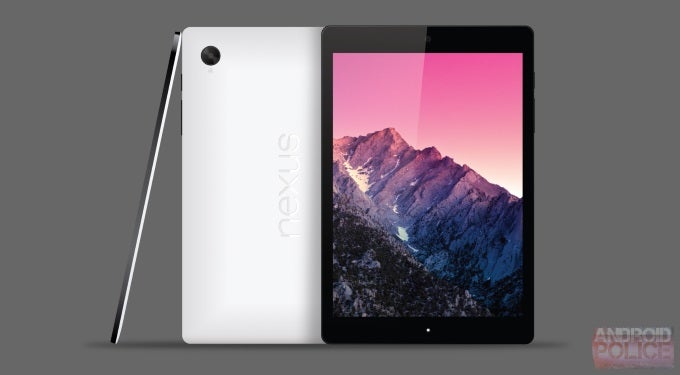
A Nexus 9 concept image shared by Android Police
So, does HTC have a shot at repeating ASUS's success with the first and second-generation Nexus 7? Most probably - yes! But we'll have to wait a few months to see how that will play out. Meanwhile, here's what we've heard about the upcoming tablet so far:
Design
We're yet to be clued in on how good-looking the Nexus 9 will turn out. It is said, however, that the tablet has a weight of about 14.745 Oz (418 grams), and is 0.3 inches (7.8mm) thick. Its dimensions are a purported 8.91 x 5.98 x 0.31 inches (226 x 151 x 7.9mm) These measurements are quite bulkier compared to the current slimness standard - the 8-inch Xperia Z3 Tablet Compact's 8.40 x 4.87 x 0.25 inches (213.4 x 123.6 x 6.4 mm) and weight of 9.52 oz (270 g). However, they are in line with the 9.7-inch iPad Air's 9.45 x 6.67 x 0.30 inches (240 x 169.5 x 7.5 mm) at a weight of 16.86 oz (478 g).
By the way, all of this sounds a lot like the Huawei MediaPad M1, a device whose design was quickly compared to the HTC One. Check it out in the gallery below.
Rumored specs
While the Nexus 9's design is a well-guarded secret for now, we actually have a pretty good idea about the hardware that might power the tablet. Here's what the rumor mill has produced on the topic.
Display
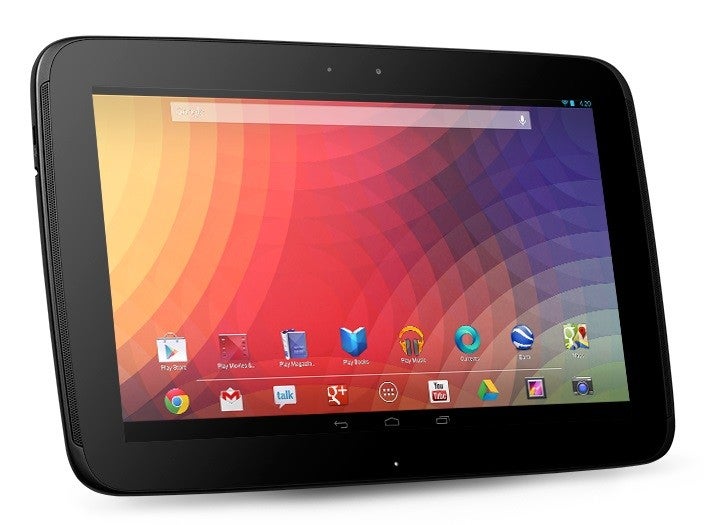
The 2012 Nexus 10 was the first tablet to ship with a QHD display.
Camera and Processor
There has been evidence that Google could use NVIDIA's mighty Tegra K1 processor to kick off Android into the 64-bit era. This is a 2.5GHz processor with up to 4GB of RAM and a graphics unit that sports no less than 192 cores! Don't ask us why, NVIDIA always had a thing for impressive numbers. This is the same unit that powers the new NVIDIA Shield Tablet, which is a gamer device capable of running DirectX 11 and OpenGL 4.4-enhanced graphics. In other words, the K1 could run scaled down versions of Unreal Engine 4 and Frostbite 2.0-powered games on your mobile device without breaking much of a sweat.
Storage-wise, the Nexus 9 should be available in 16GB and 32GB flavours.
Operating system
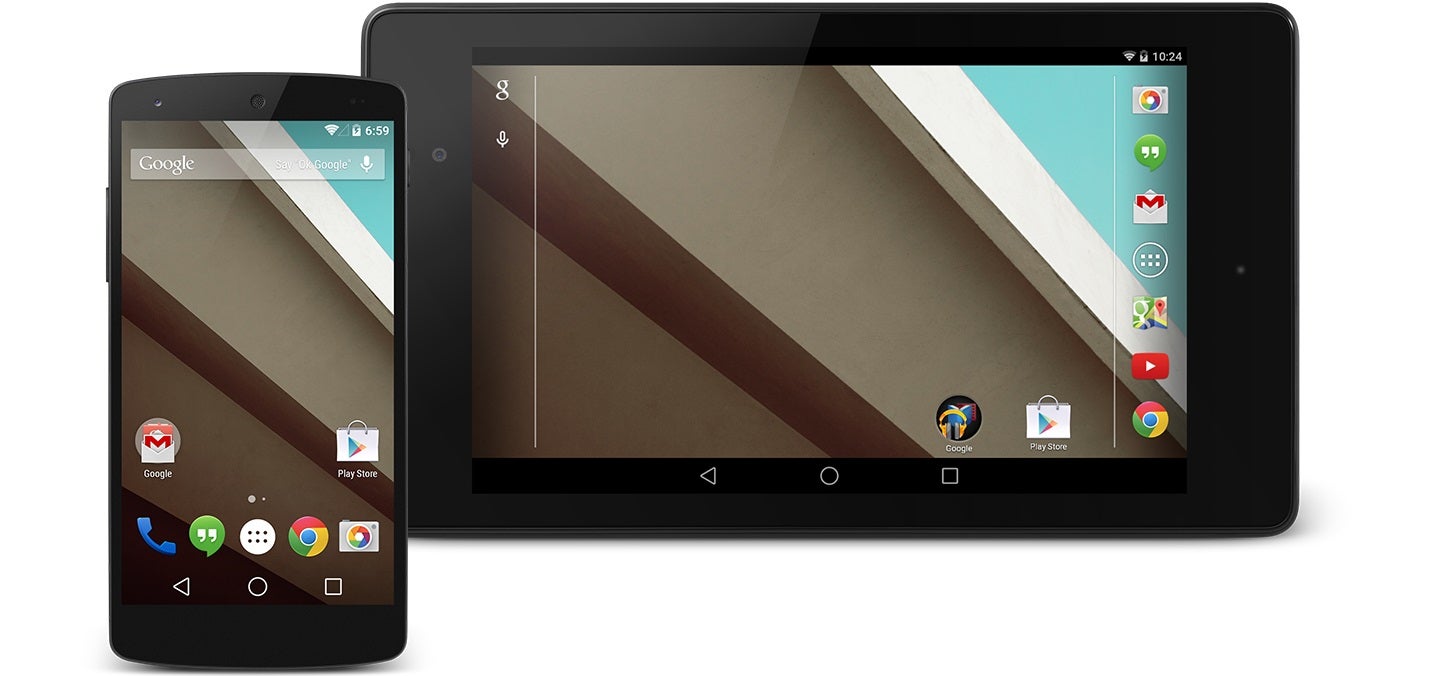
The Nexus 9 is planned as a flagship Android L device, much like the previous Nexus tablets showed off Android 4.1 Jelly Bean, which was notable for its buttery-smooth interface. It will run an unmodified version of the operating system, which is another way of saying that it will be totally yours to customize! Aside from 64-bit support, Android L Version will bring a complete visual overhaul, functionality boosts, a new app runtime and energy-saving system, and much more. If you want to get up to speed with Google's workings, be sure to check out our Android L Preview , our visual comparison of Android L and Android KitKat, and our head-to-head comparisons of the operating system's developer preview against iOS 8 and Windows Phone 8.1.
Accessories
There is a steady rumor about the Nexus 9 featuring an official snap-on keyboard cover. Interestingly, we've seen two versions of it, the difference being that one features a numeric row. The accessory could turn the Nexus 9 into a full-fledged laptop replacement and extend its battery life.
Release date
According to the latest rumors, the Nexus 9 will be unveiled this Wednesday, October 15, and it will go on sale two weeks later - November 3rd. The reported price is $399. This is definitely higher than what Google and its hardware partners usually charge for Nexus tablets. Maybe the latest one will be marketed as a proper high-end device, instead of a powerful developer device with uninspiring looks.
Expectations
We expect many a good things from a Google and HTC collaboration. First, the eventual success of the Nexus 9 could give HTC a much needed confidence boost, which would result in better tablets from the manufacturer further down the road. The powerful hardware will make short work of the next Android version, which is currently being tested on devices as old as the Nexus 4. It will also provide an excellent gaming, browsing, and multimedia experience. But the hardware brawn and QHD display could make for a very battery-hungry device if the issue isn't addressed properly. All of this aside, the very thought of an HTC tablet made with Google's blessing can only get us excited!


Popular stories


Latest News



Things that are NOT allowed:
To help keep our community safe and free from spam, we apply temporary limits to newly created accounts: