Sony Xperia X Compact Review
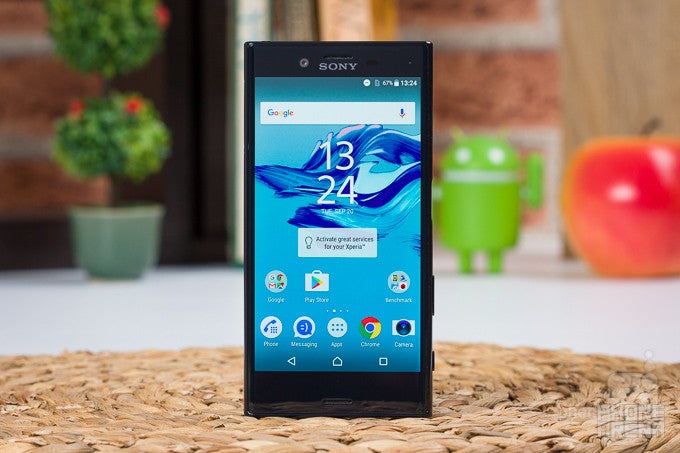
Introduction
Sony's Compact line of Xperia phones has been earning accolades ever since its inception back in 2014 with the original Z1 Compact. It seemed that a lot of folks have been clamoring for small, manageable handsets with flagship specs, that's why Sony struck a chord and a loyal following that gladly gobbled up the original 4.3-incher, then the 4.6” Z3 and Z5 Compacts.
In the box:
- Xperia X Compact
- Wall charger
- USB-C cable
- Warranty and info leaflets
Design
The roving munchkin design feels good in hands and pockets, but is marred by smallish, shallow keys
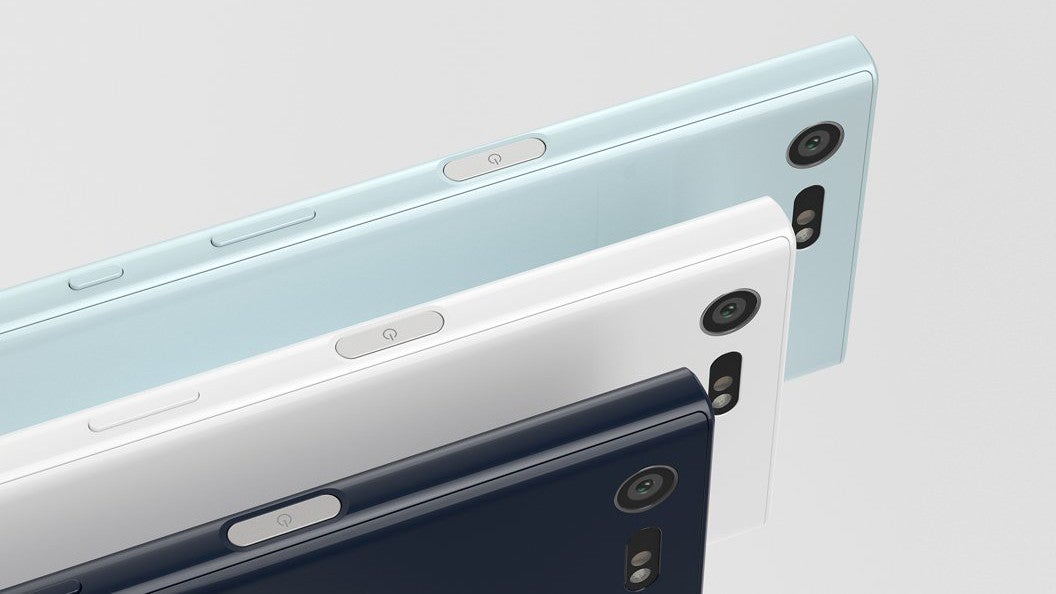
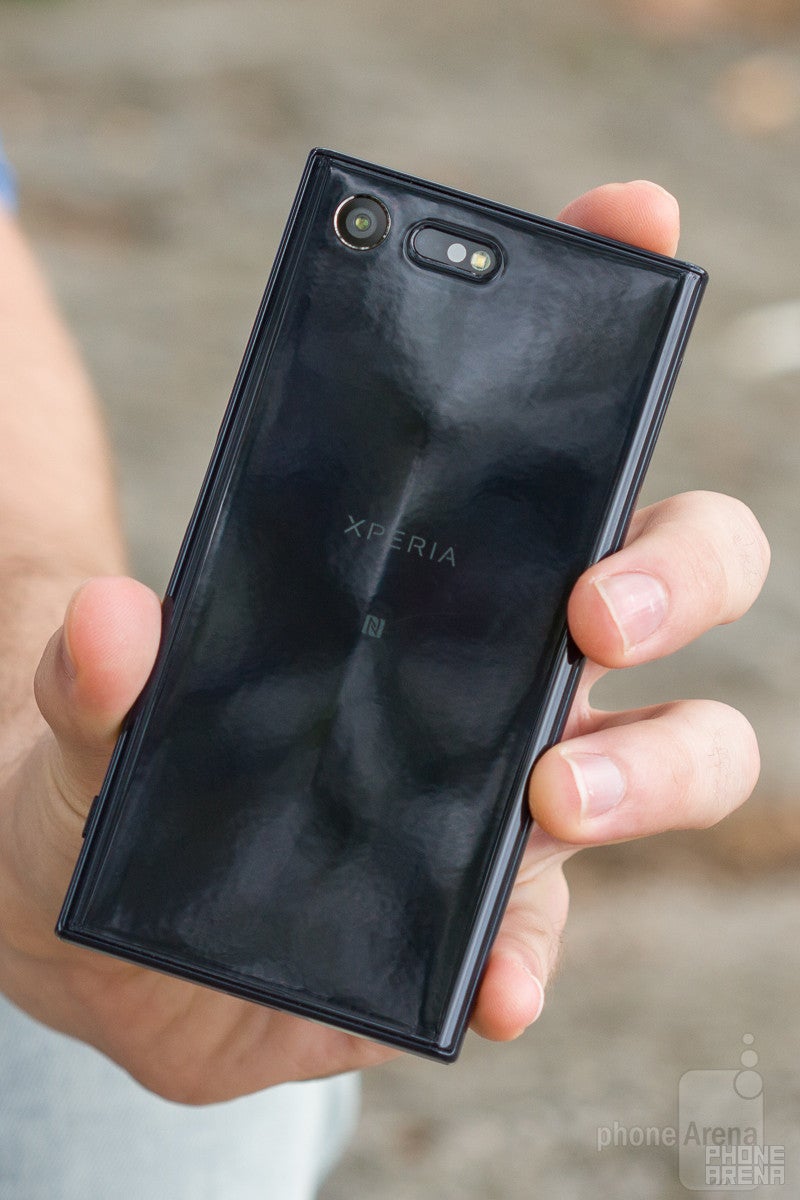
The X Compact has tapered, rounded edges both at the front and on the back, which, coupled with a fairly chubby 9.5mm body, makes the phone very pleasant to hold, and easy to pick up from a flat surface.
The front-facing stereo speakers that Sony has been known with for a while are still here, but one other signature feature is gone – the X Compact has no water-tight ratings, so don't take it in the shower like the previous Compacts. Another important change is the addition of a USB-C port, which is a first for Sony, and makes fumbling with the cable connector sides a thing of the past.
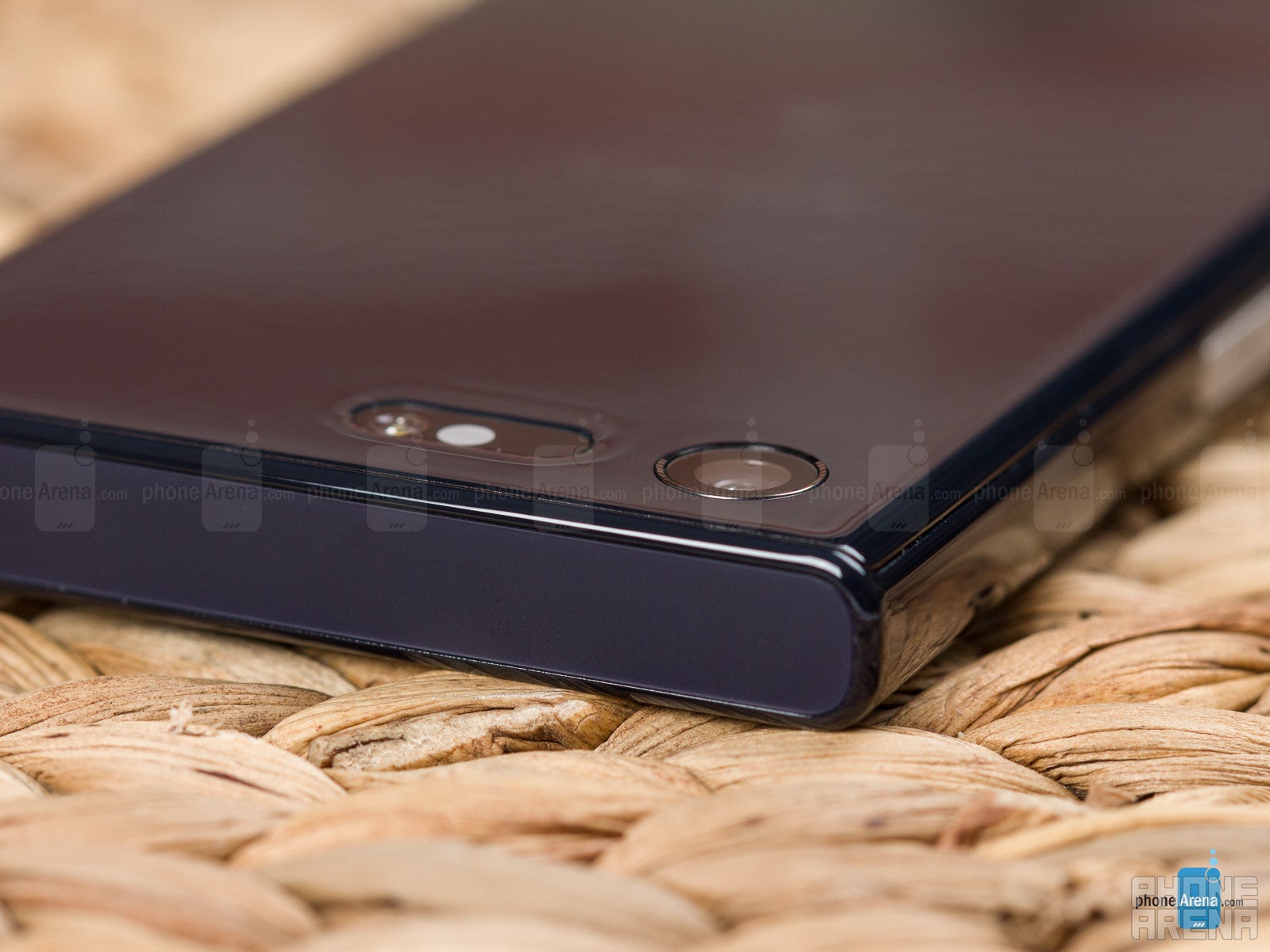
The lock key is pretty small and recessed to prevent inadvertent clicks, but it is also with quite a shallow feedback, so pressing it is not a very clicky and satisfying experience. The same goes for the volume rocker and two-stage shutter key right beneath it – on top of the shallow feedback, they are very small and hard to feel and press without looking.

5.08 x 2.56 x 0.37 inches
129 x 65 x 9.5 mm
4.76 oz (135 g)

5.3 x 2.57 x 0.29 inches
134.5 x 65.2 x 7.3 mm
4.66 oz (132 g)

5 x 2.56 x 0.35 inches
127 x 65 x 8.9 mm
4.87 oz (138 g)

5.44 x 2.64 x 0.27 inches
138.1 x 67 x 6.9 mm
4.55 oz (129 g)

5.08 x 2.56 x 0.37 inches
129 x 65 x 9.5 mm
4.76 oz (135 g)

5.3 x 2.57 x 0.29 inches
134.5 x 65.2 x 7.3 mm
4.66 oz (132 g)

5 x 2.56 x 0.35 inches
127 x 65 x 8.9 mm
4.87 oz (138 g)

5.44 x 2.64 x 0.27 inches
138.1 x 67 x 6.9 mm
4.55 oz (129 g)
Compare these and other phones using our Size Comparison tool.
Display
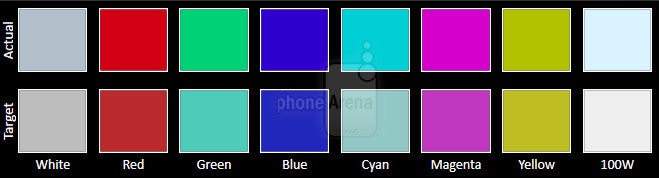
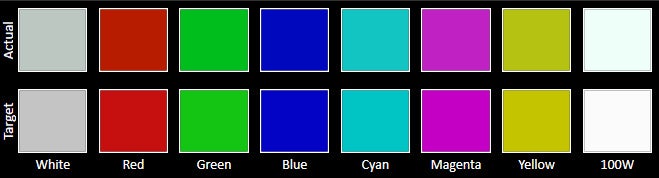
Overly cold and oversaturated, the screen makes up for that with great outdoor visibility
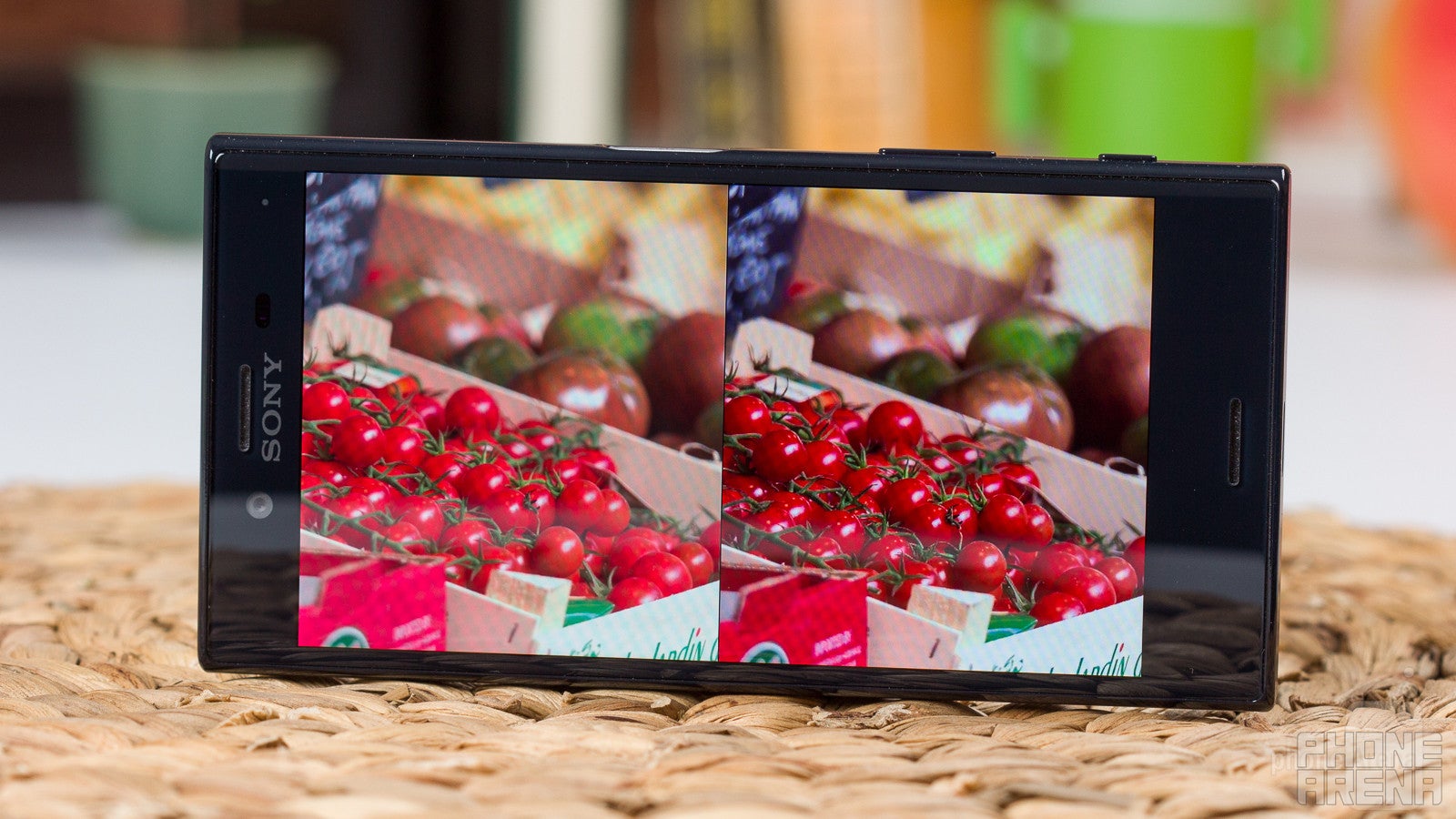
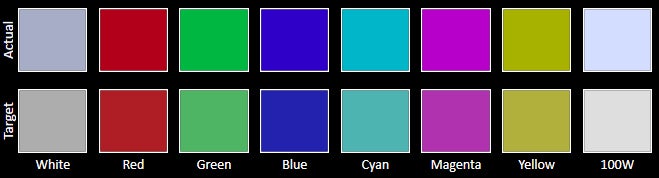
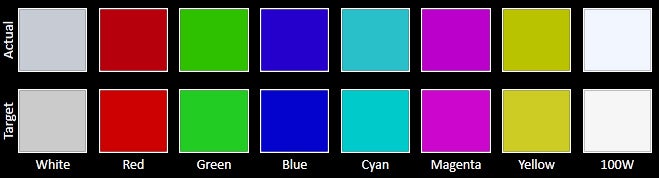
Sony doesn't stray from the proven formula with the X Compact, and has equipped it with a 4.6” 720 x 1280 pixels display, just like its last two predecessors. The panel is of the IPS-LCD variety, offering very good viewing angles, and nice outdoor visibility with very low reflections and bright, 587-nit output that is enough to see everything on screen even under direct sunlight.
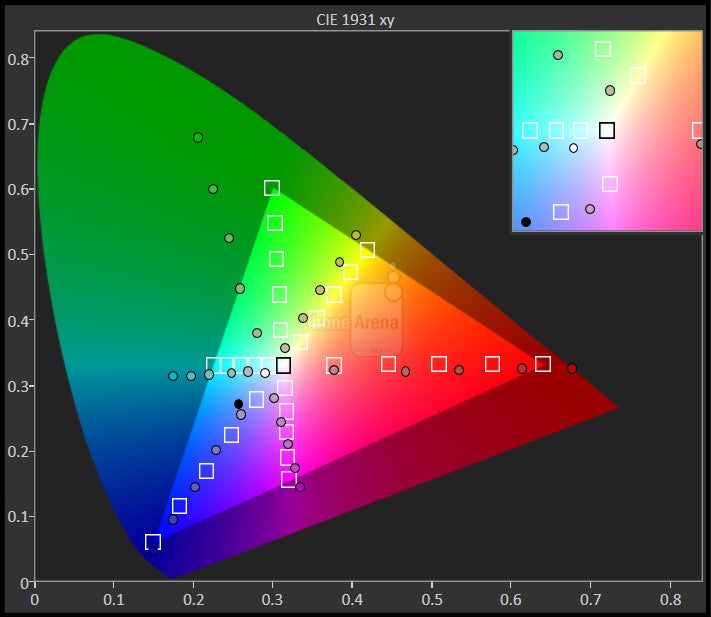
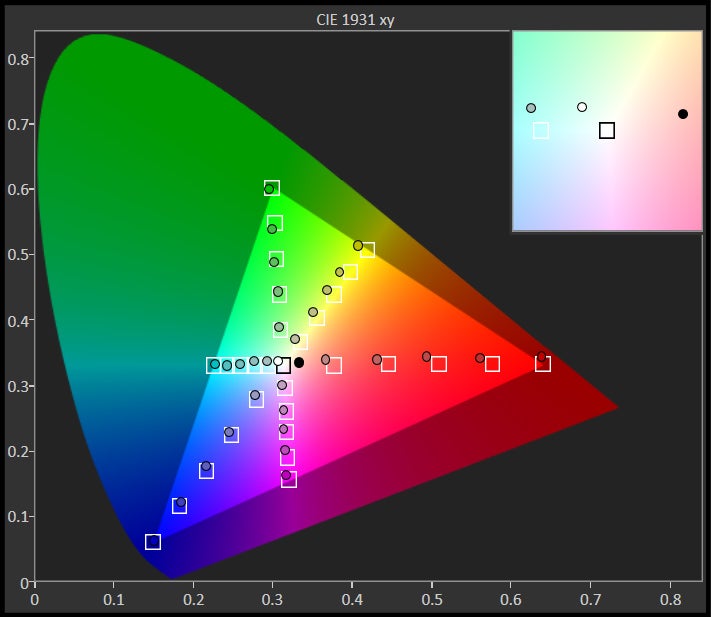
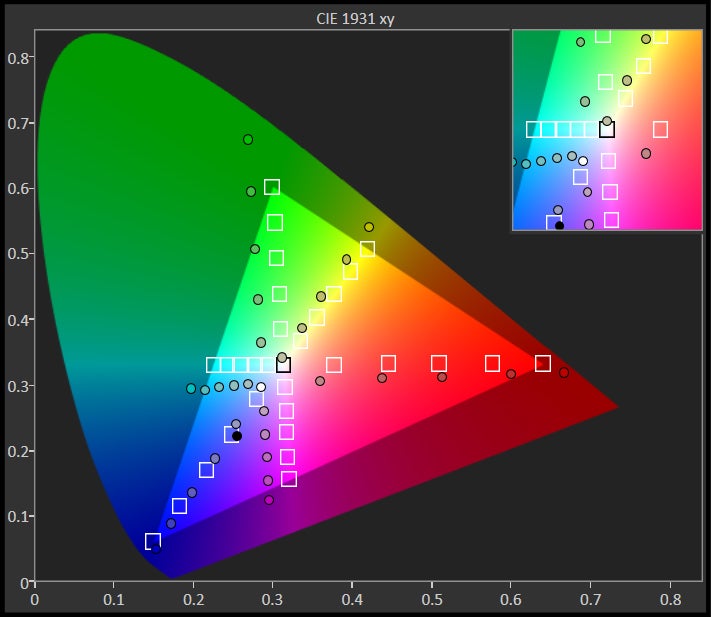
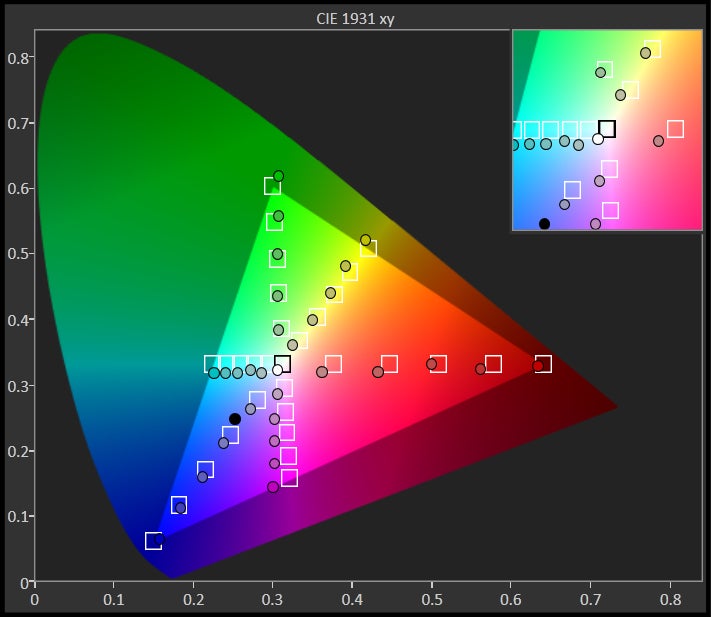
Sony's X Reality engine is turned on by default, boosting colors and contrast while displaying media. We measured the screen's performance with the color management option turned off to get a more credible view of the panel's specifics. The display can be used with gloves on, which only adds to the outdoorsy cred of the phone, and there is a tap-to-wake option in the settings which comes in handy considering the recessed, shallow lock key.




Interface and functionality
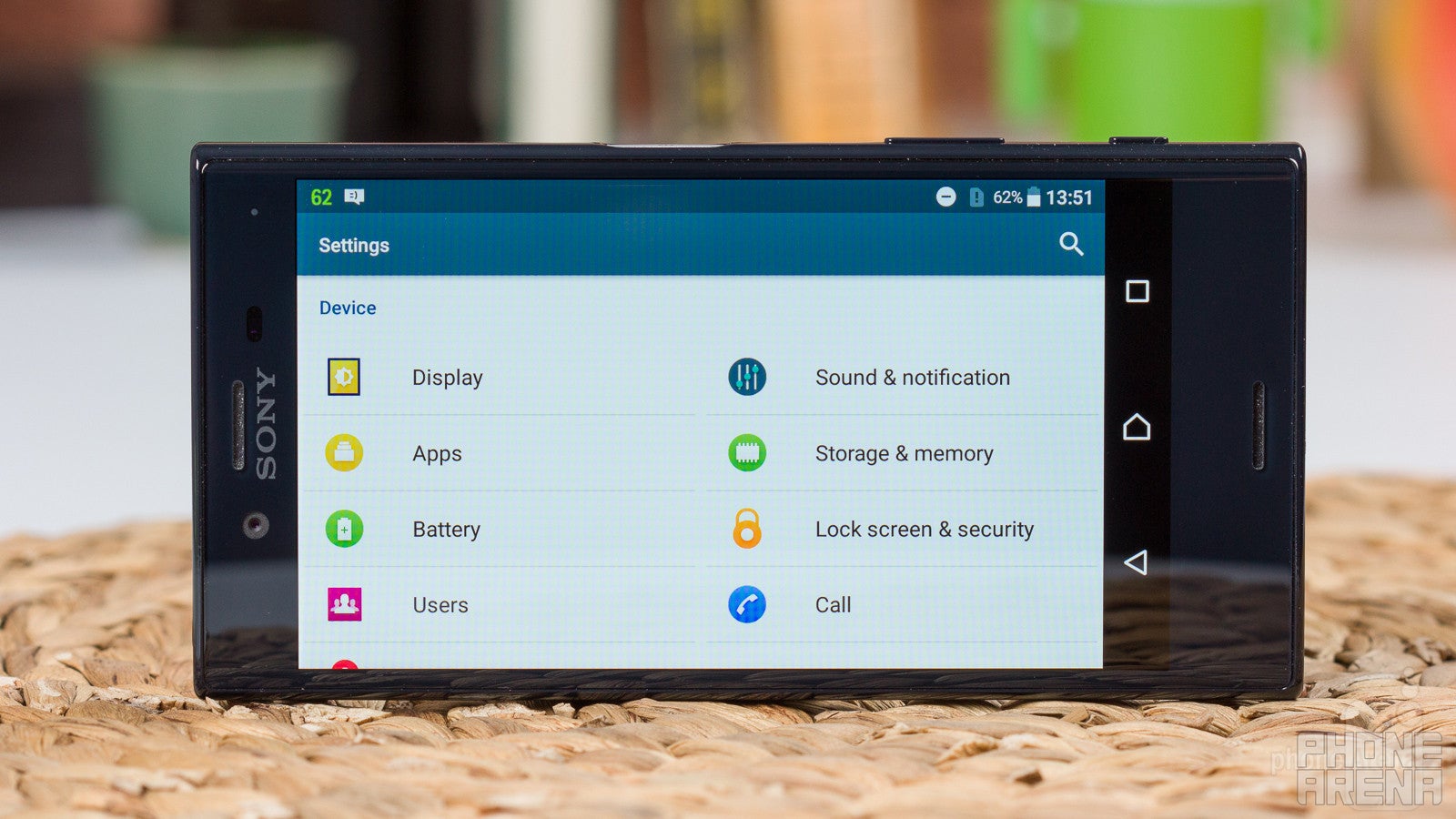
Sony's interface overlay pretty much follows the stock Android Marshmallow experience – from the homescreens to the bland-looking status bar – save for a few more options in the settings screen, and a few Xperia apps thrown in for a good measure. Love it or leave it, at least the interface runs smooth and without notable hiccups. Oh, yeah, there is an app drawer, too.
You will, of course, find the venerable PlayStation app that lets you tap into Sony's gaming ecosystem. It offers the PS4 Remote Play function to connect a DualShock controller, and use the phone as a portable console streaming your PS4 games, neat.
Processor and memory
The “potent munchkin” is not so potent with Snapdragon 650 instead of the 8-series, but no less capable.
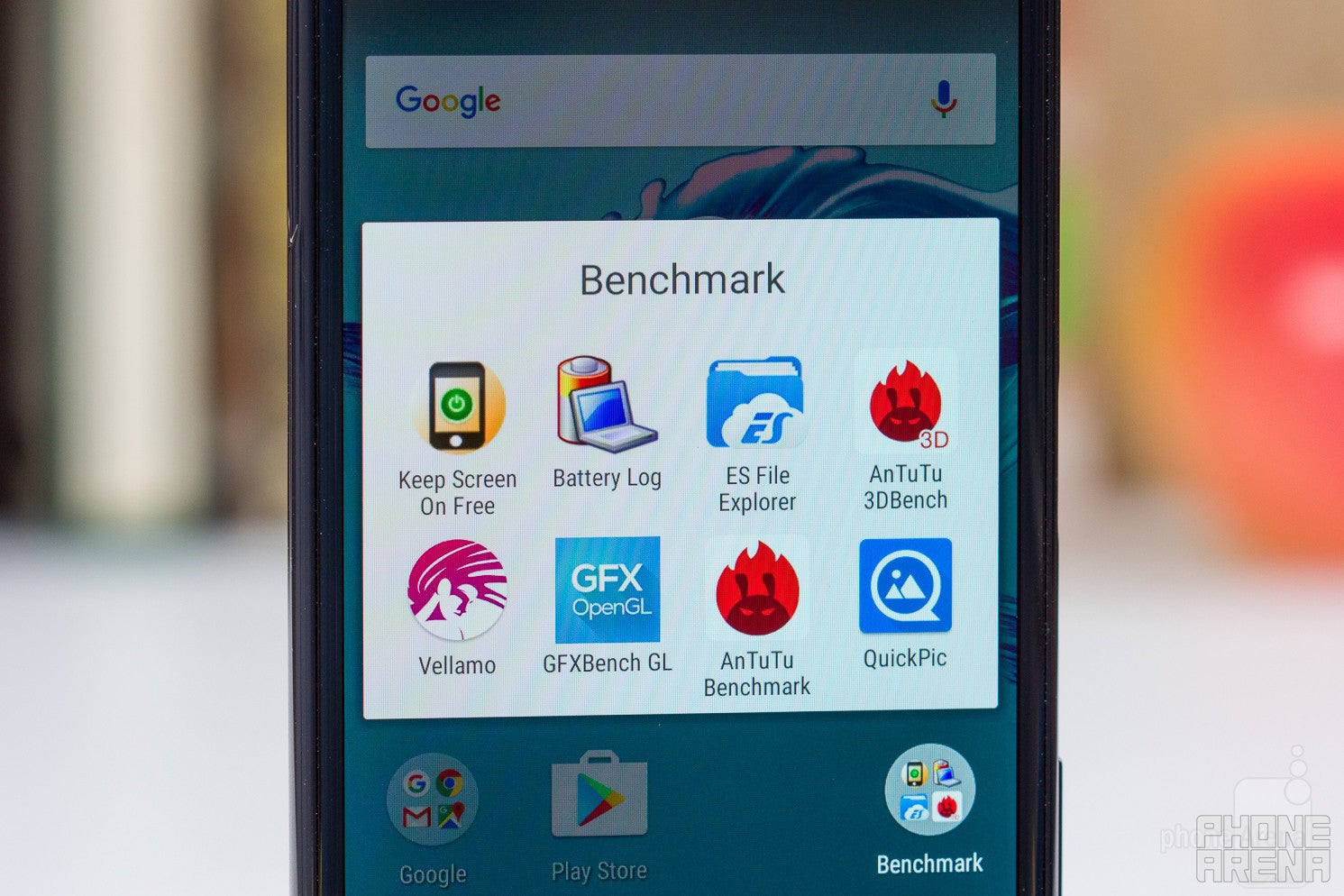
The biggest difference between the previous phones in the line, and the X Compact, is the choice of chipset. Sony used to place the same top-shelf Snapdragon processor of the 8-series in the Compacts that it used in its larger flagships, but that is no more. The X Compact is run by a hexa-core Snapdragon 650 clocked at 1.8 GHz. Frankly, with Sony's light Android skinning, this felt more than enough to power through most of what you will throw at it, save possibly for the visuals of some heavy 3D games, and the synthetic benchmark scores below confirm this observation.
Internet and connectivity
Sony uses Android's default Chrome browser for your surfing needs. The phone offers LTE-A Cat 6 up to 300 Mbps download speeds, if AT&T or T-Mobile can provide those where you live, as these are the carriers that the X Compact is compatible with in the US.
Camera
“Triple image-sensing technology” can't make up for the tiny pixel size, but continuous autofocus is up there with the best.
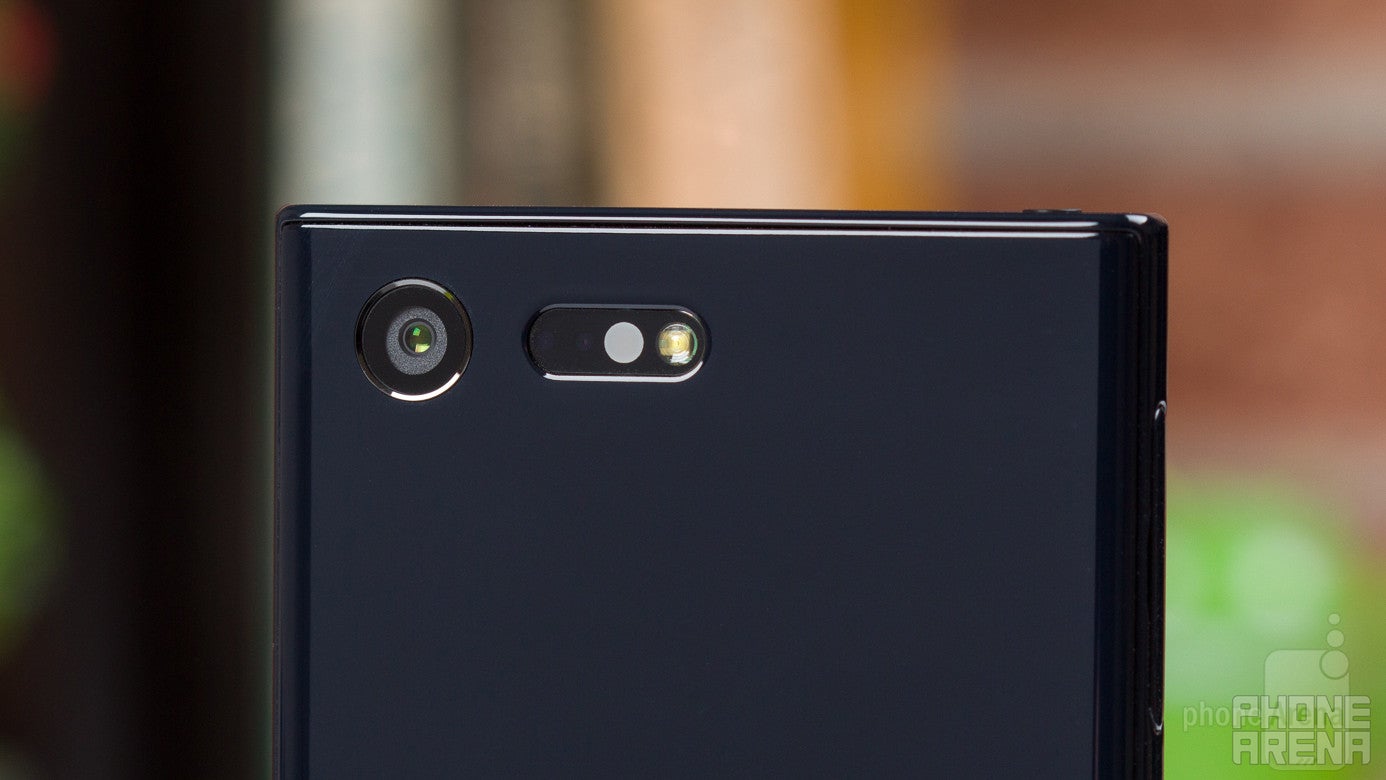
Sony is one of the few major Android makers that still focuses on megapixel count to woo potential buyers, equipping the X Compact with a whopping 23 MP sensor. It also added laser-assisted autofocusing and RGBC-IR sensor (Red Green Blue Clear – Infra Red) white balance meter aids next to the LED flash for the first time. This “triple image-sensing technology” is supposed to make the already fast Predictive Hybrid Autofocus system now even faster, and colors more accurate. There is also a new swipe-based camera interface – one swipe left and you go into a manual mode, or swipe right and enter video mode or the camera apps like Sony's augmented reality extension.
Camera UI of the Sony Xperia X Compact
Thus, while the actual photos are decent in daylight, with fine amount of detail, especially the 23 MP shots (the phone takes 8 MP photos in the default Intelligent Auto mode), they are noisy, and said detail a bit soft and mushy, especially towards the corners. The X Compact offers a far cry from the jolly, saturated “Sony colors” that its cameras used to be associated with. Instead, the photos usually come out mostly natural, with just the right dose of saturation.
The low-light snaps are not very impressive, either – they relay the scene colors with a colder than accurate note, and there is quite a lot of digital noise visible, even without zooming in. The LED flash seem powerful enough to illuminate a close scene.
Sony Xperia X Compact sample images
Video
The 1080p (30/60fps) video capture that the X Compact is capable of displays largely credible color representation, but lacks somewhat in sharpness and detail. Exposure adjustments while panning around are relatively slow to come, too, with some skipped frames and rolling shutter artifacts clearly visible as smearing with fast moving objects like the cars on the roundabout we shot our samples at.
Sony also offers its SteadyShot 5-axis digital image stabilization which works well in keeping the footage afloat during abrupt movements of shaky hands. The phone also offers stereo audio recording while filming, though the audio capture itself is on the average side as the mics need a bit more pick-up strength.
Sony Xperia X Compact Sample Videos
Multimedia
Sony uses its own Album gallery, duplicating Google Photos, and its own app is prettily laid out, with an easy to navigate yet comprehensive catalog structure, and a number of editing options for your pictures or videos. The video player is capable, too, with rich codec support.
Besides pretty visuals, the music player offers a variety of equalizer presets and sound modes to take full advantage of the smorgasbord of audio features that Sony stuffs in its phones, starting from the S-Force Front Surround speakers, to the high-res lossless audio support. However, the headphone and speakers' output strength leaves something to be desired.
Call quality
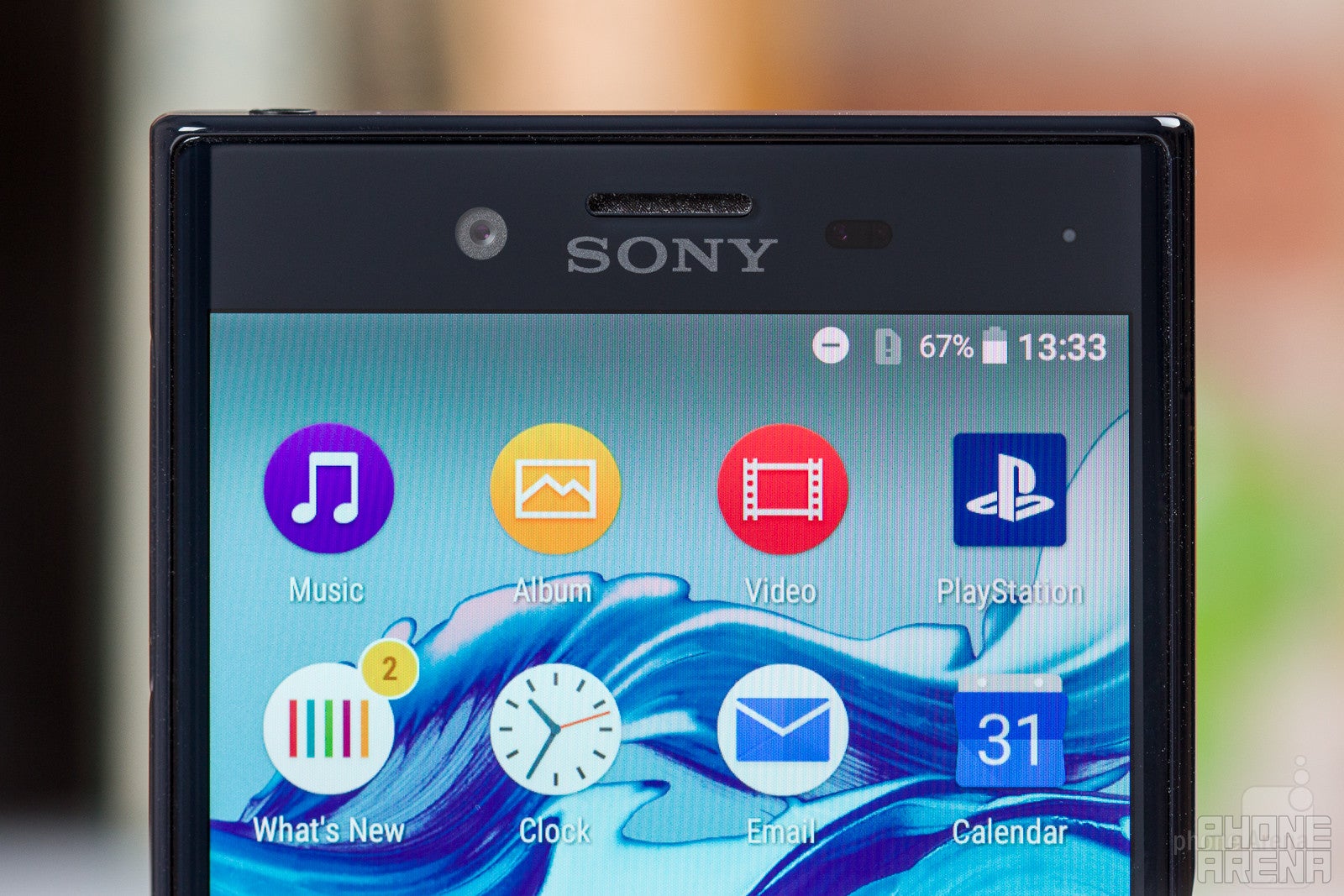
One of the stereo speakers on the Xperia X Compact also doubles as the earpiece, and voices come out loud and clear enough to be called above average in call quality. The only complaint we have is that there is a slight echo chamber effect when the volume is pushed up, though the mid-level is still plenty strong for everyday purposes.
Battery
Just as its predecessors, the X Compact is a “two-day” marathon runner
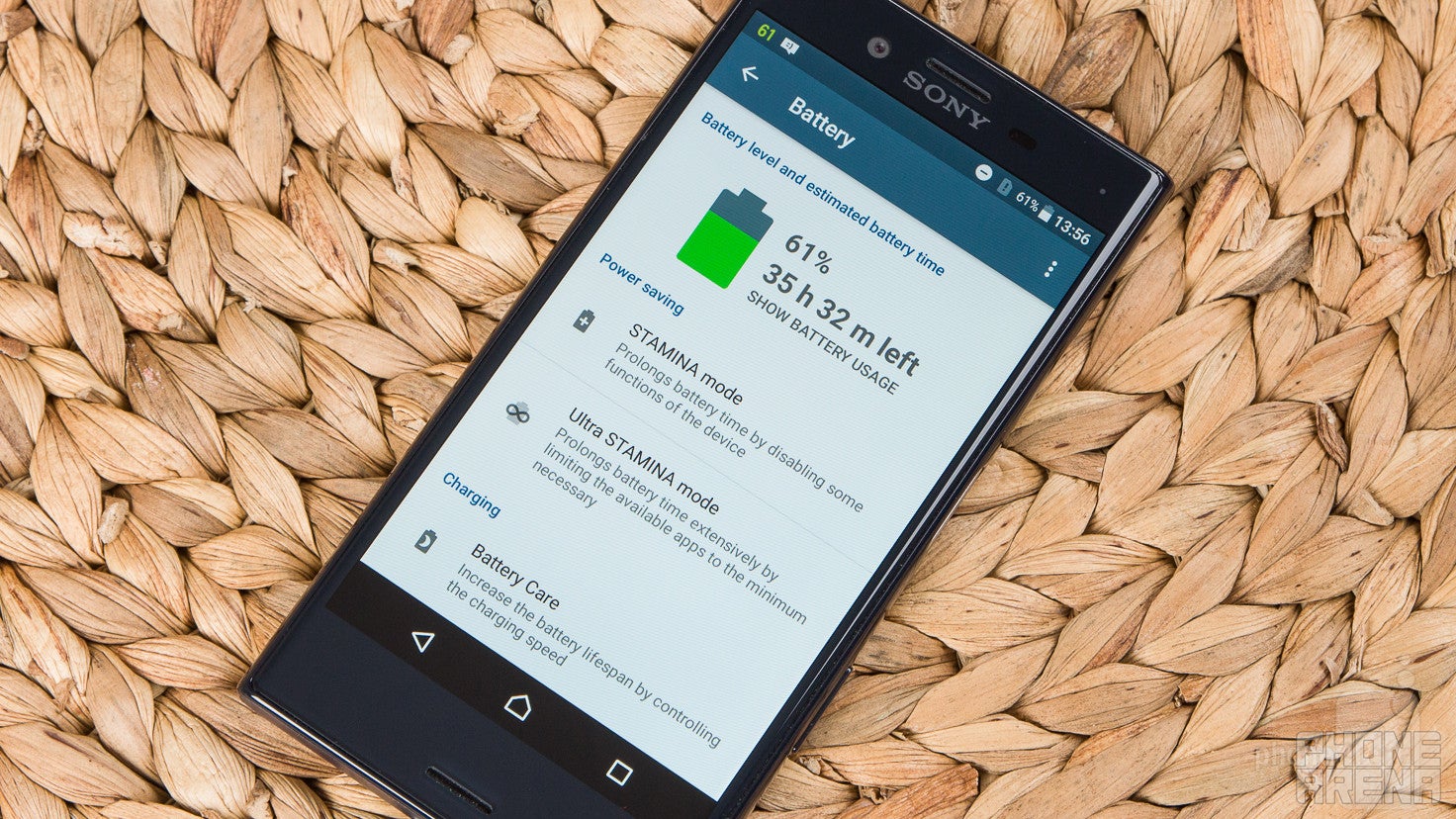
In the last few Z-series editions, Sony patted itself for creating “two-day battery” phones. This was especially true for the Compacts, which are still one of the longest-lasting Android phones that don't have giant batteries inside. While powerful, but quick to the heat and the throttle, Snapdragon 8-series chipsets of the last two generations chipped away at the stellar battery endurance claims somewhat, the X Compact is running on a Snapdragon 650, so can it be a true marathon runner?
Well, our battery benchmark returned almost 10 hours of screen time on a charge, which, for a 2700 mAh juicer, is worth a praise. This is similar to the result that the previous Compacts managed, and they have already proven to be “two-day battery” phones in real-life usage, so you can expect nothing less from the X Compact, too. The charging time of almost two and a half hours with the stock charger, however, is pretty slow for today's standards, though Sony will sell you a faster than the stock 1.5A charger for some extra cash.
Conclusion
At the sub-$500 price point that Sony is offering the X Compact at launch, there may be more than enough niche demand to justify its release. The only compromise made with the cutie, compared with its predecessors, is the midrange Snapdragon chipset, but that's now enough to drive the X Compact well, plus Qualcomm's last few flagship Snapdragons haven't exactly been thermal management kings, so the choice of silicon may be for the better.
Other than that, the X Compact delivers very well on most important fronts. It has a good camera with excellent focus-hunting abilities while video recording. The screen is also very bright and with low reflections, making it great for outdoor viewing. The battery life is top-notch, and call quality is loud and clear. These are all things most people are looking for in a handset, and when delivered in a small and handy package at a decent price, they make the phone stand out.
As far as the competition goes, the X Compact is really in a niche of its own right now. There's the cheaper but similarly sized Samsung Galaxy A3 (2016), which has a 4.7” display, a fancier styling, decent camera, and fine battery life, though considerably less-potent hardware. Looking away from Android, the 4.7” iPhone 6 can be found at a similar price point today, and can actually get you much more phone for the money. In the X Compact's $450-$500 range, however, there is little in Android's small-and-strong category but its predecessor, the Z5 Compact, which happens to be a more powerful handset, at a lower price right now.
Software version of the review unit:34.1.А.1.198



Popular stories


Latest News


Things that are NOT allowed:
To help keep our community safe and free from spam, we apply temporary limits to newly created accounts: