Google started working on a foldable phone way back in 2020. At the time, however, Samsung was already at Galaxy Z Fold 2, and the Chinese juggernauts hadn't yet encroached on its turf with more impressive handsets with bendy displays like they are now.
Making a compelling foldable phone turned out to be harder than originally envisioned, though, and not only because the hardware at the time didn't allow for the teardrop hinges and ironed out creases that are now the norm.
Google also had to think about the software adaptations that would make stock Android take advantage of the larger screen that can fold in half, and find ways to stand out from the other brands' foldables.
Said originally envisioned Pixel Fold turned out to be more characteristic and unique than what Google actually came up with last year as a retail device sold in the Google Store.
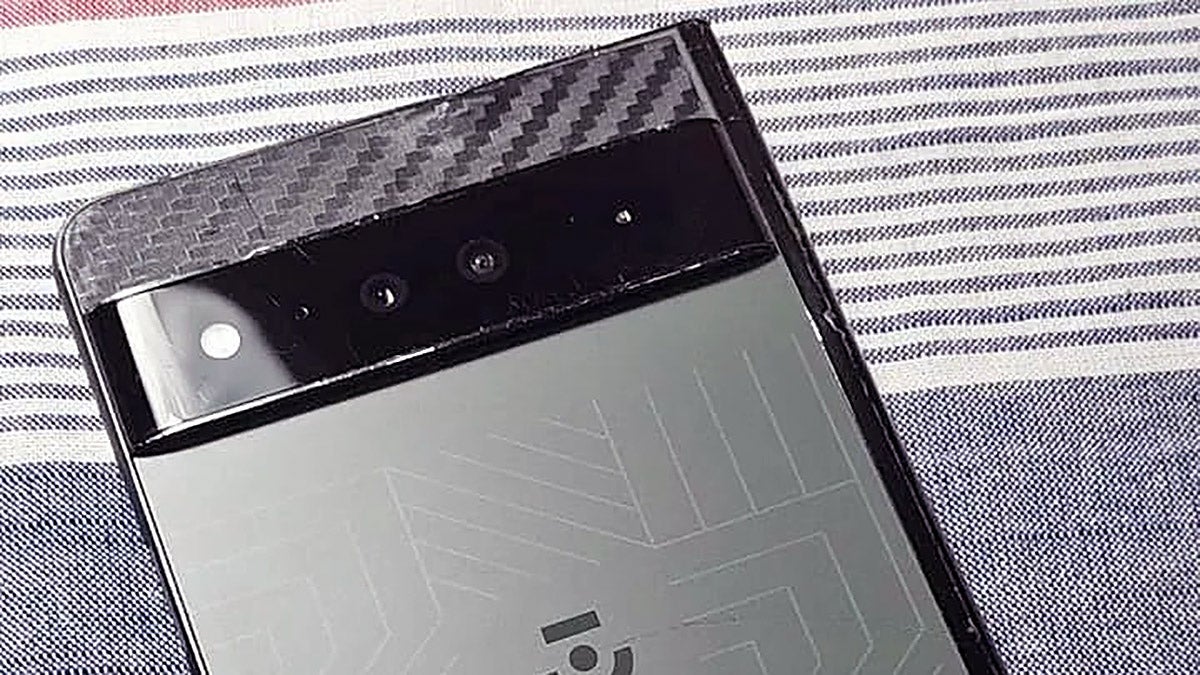
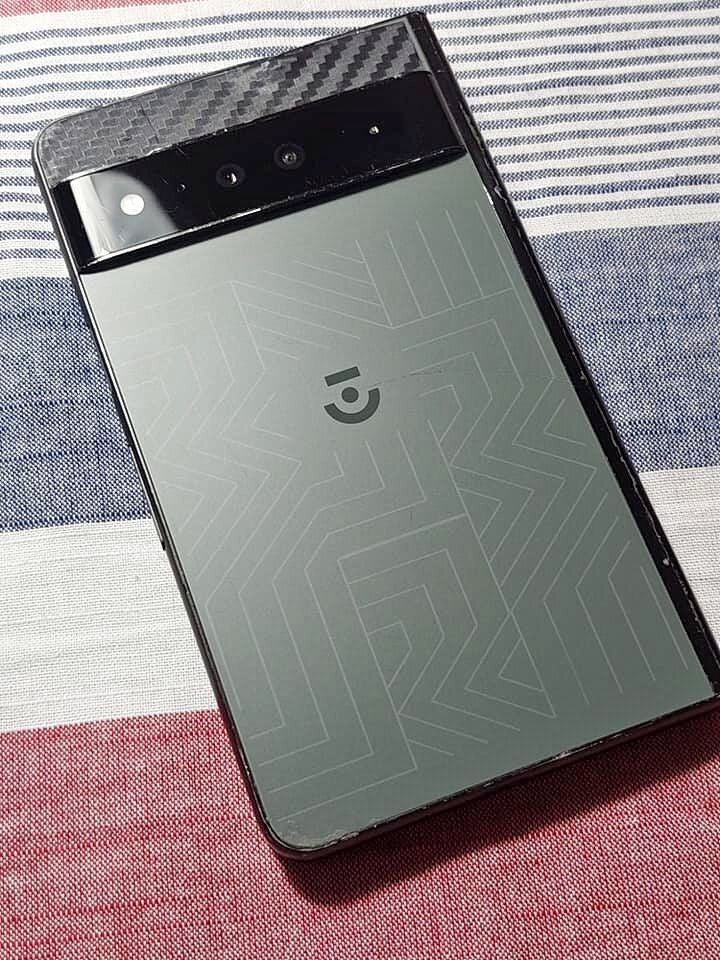
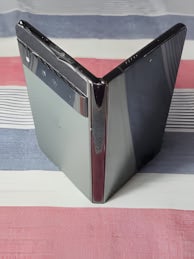
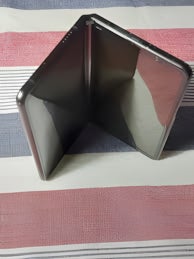
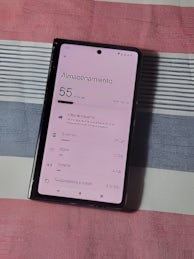
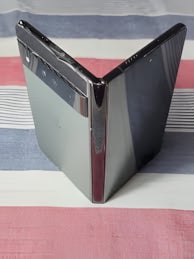
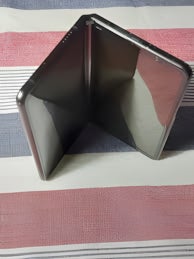
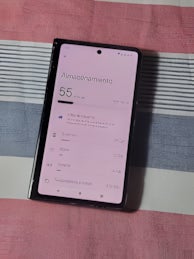
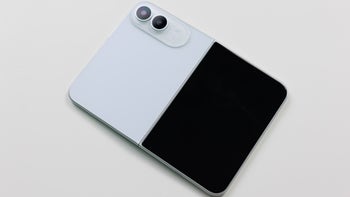
One of the initial prototypes of the Pixel Fold codenamed "Pipit" has popped up, most likely dating back to 2020, and it is rather different from what we have now as the actual retail Pixel Fold.
The freshness of the Google design is visible on both the final product, and on the prototype, but the Pixel spirit is carried better by the initial effort of Google's (or HTC's) design team.
Recommended For You
It reminds of what began with the Pixel 6, something signature that will be immediately recognizable and carries the brand with it like an iPhone notch or Dynamic Island. Well, the notch is an acquired taste bordering on a haphazard design abomination born from the necessity to accommodate someone's irreconcilable Face ID biometry vision, but we digress.
All the prototype Pixel Fold cameras and accompanying paraphernalia on it are placed in a strip across the back that asymmetrically splits the two-tone patterned body. This is actually one of the most welcomed new phone designs in recent memory.
The design is not just different for the sake of it. The neatly arranged sensor and lens combos can't easily snap photos of your fingers or butcher the ultrawide perspective as a corner camera island would. Plus, there is ample strip space for our index finger to press against while we use the phone with one hand.
Second, the stripe is unique to look at and blends with the back without sticking out like a sore thumb, even though it is elevated. Moreover, this is a design playground with numerous two- and three-color combos of the Pixel Fold to keep its looks fresh and adjustable to every taste.
Most phone cameras are lazy ergonomics
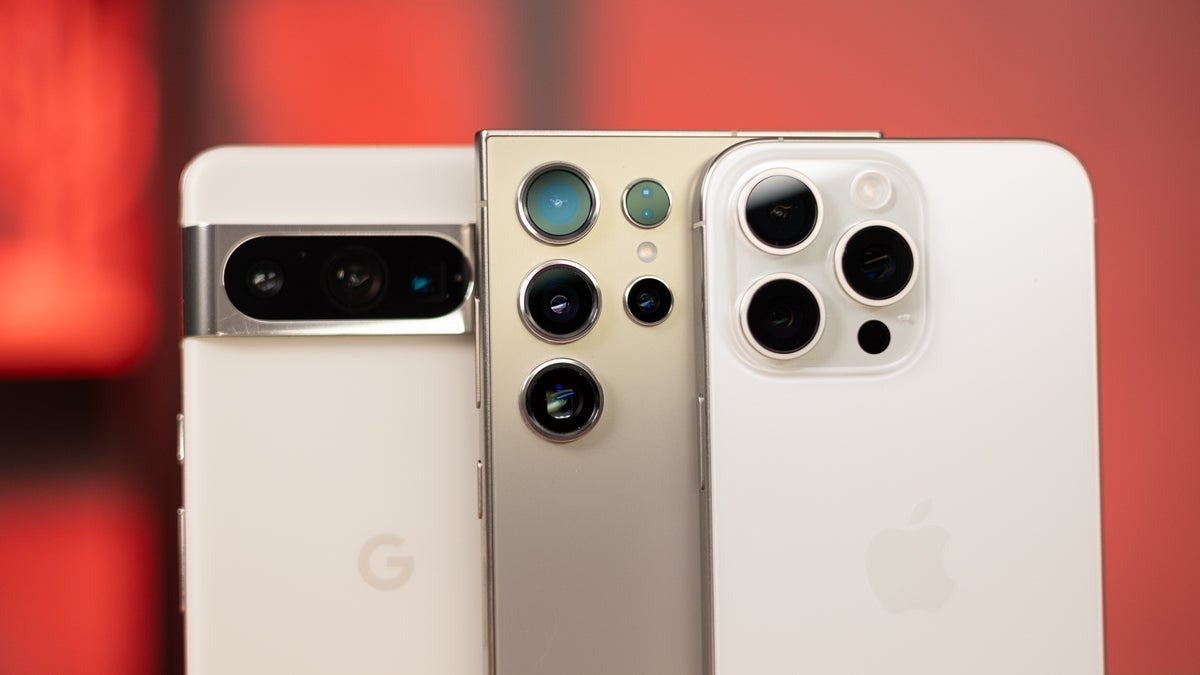
Google's rear camera design stands out | Image credit – PhoneArena
After getting pressed on the camera front by Android handsets that started employing large sensors, ultrawide or macro lens, and even zoom cameras, Apple started playing catch up and slapped multiple cameras on the back of its iPhones in its turn. To fit them in, however, it didn't resort to symmetrical shapes or positioning.
Since it started deploying those unsightly camera islands on every iPhone, from the basic to expensive ones, other phone makers stopped having qualms about slapping one on the back, too, and brought on a sea of identical handsets.
The sheer litany of larger components resulted in the advent of the camera island on the back - an elevation that had to house all of a phone's camera abilities while at the same time protruding significantly from the rear in order to keep the phone thin, but only in the specs listings.
This typically means that today's trinity of phone camera features - main, ultrawide, and telephoto sensors - were predominantly tucked in the easiest possible from a design standpoint place, the upper left corner of the back.
With time, it started getting so crowded by more and larger sensors, lenses, flashes, periscopes, lasers, and infrared or even LiDAR sets, that its size got way out of proportion and ergonomics were nowhere to be found.
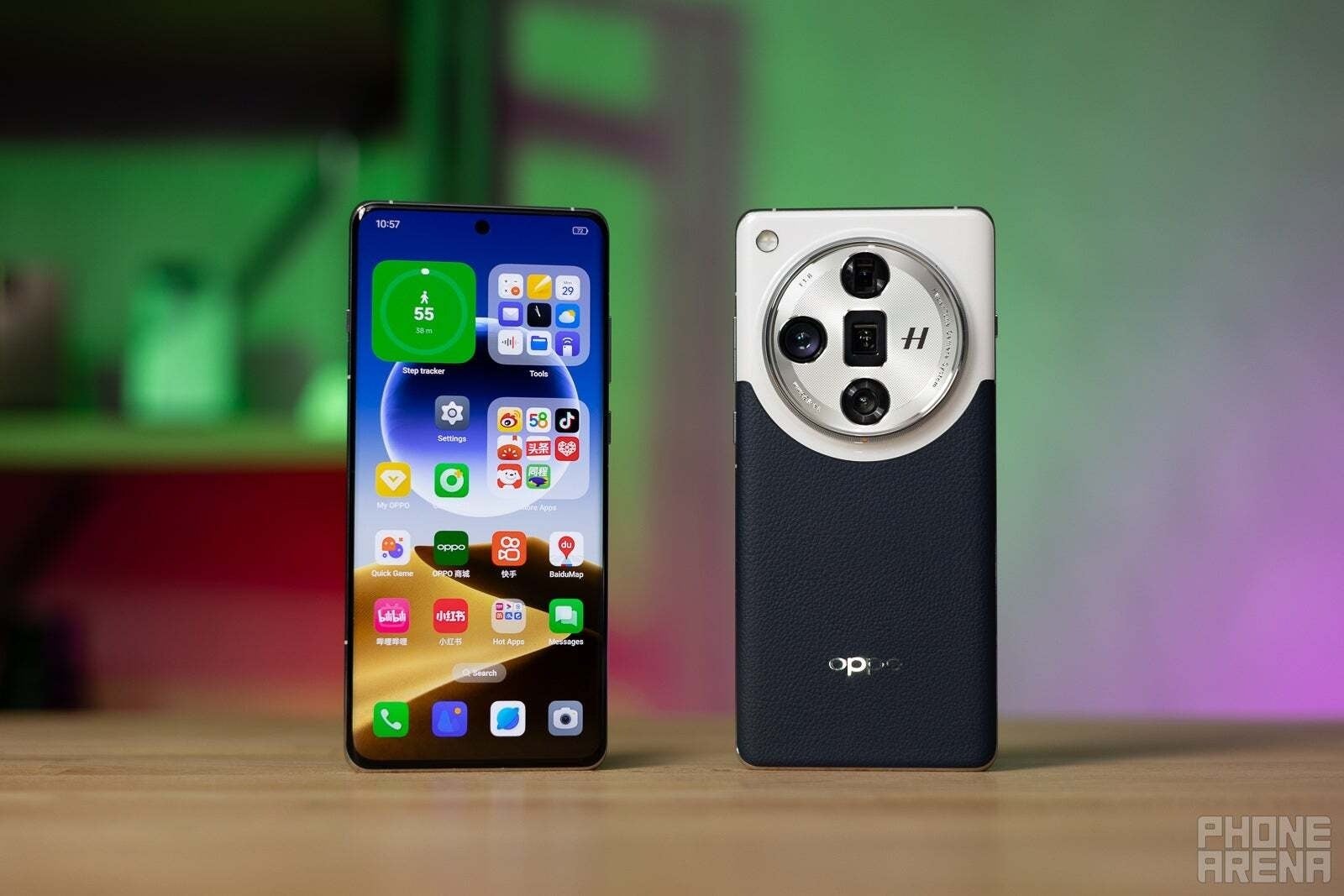
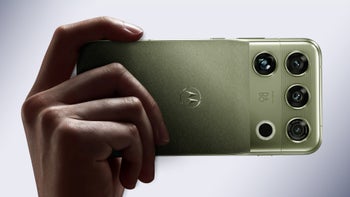
Oppo is trying to do a different thing with the camera island design | Image credit – PhoneArena
Samsung then started separating the elements in their own tiny "islands" which was still not a symmetric solution, while companies like Oppo or OnePlus simply moved all cameras in the middle of the back, bringing back symmetry and ergonomics.
Google's camera strips on its Pixels, however, are a stroke of genius design that stays signature for the brand even as it provides handling ergonomics that other solutions don't offer and allow for a play of colors that would have set the Pixel Fold apart had it managed to stay the course with the prototype design.
Galaxy Z Fold 8: save up to $800
$1299
99
$2099
99
$800 off (38%)
The Galaxy Z Fold 8 is Samsung's first-ever passport-style device, offering a unique approach to the foldable experience. Right now, you can get the device with a maximum trade-in discount of up to $800. Alternatively, you can get it with a $250 Samsung Instant Savings, no trade-in required.
Daniel, a devoted tech writer at PhoneArena from 2010 to 2025, has been engrossed in mobile technology since the Windows Mobile era. His expertise spans mobile hardware, software, and carrier networks, and he's keenly interested in the future of digital health, car connectivity, and 5G. Beyond his professional pursuits, Daniel finds balance in travel, reading, and exploring new tech innovations, while contemplating the ethical and privacy implications of our digital future.
COMMENTS (0)
COMMENTS (0)
All comments need to comply with our
Community Guidelines
PhoneArena Community Rules
A discussion is a place, where people can voice their opinion, no matter if it
is positive, neutral or negative. However, when posting, one must stay true to the topic, and not just share some
random thoughts, which are not directly related to the matter.
Things that are NOT allowed:
Off-topic talk - you must stick to the subject of discussion
Offensive, hate speech - if you want to say something, say it politely
Spam/Advertisements - these posts are deleted
Multiple accounts - one person can have only one account
Impersonations and offensive nicknames - these accounts get banned
To help keep our community safe and free from spam, we apply temporary limits to newly created accounts:
New accounts created within the last 24 hours may experience restrictions on how frequently they can
post or comment.
These limits are in place as a precaution and will automatically lift.
Moderation is done by humans. We try to be as objective as possible and moderate with zero bias. If you think a
post should be moderated - please, report it.
Have a question about the rules or why you have been moderated/limited/banned? Please,
contact us.











Things that are NOT allowed:
To help keep our community safe and free from spam, we apply temporary limits to newly created accounts: