HTC One (M8) vs Apple iPhone 5s

Introduction
Shopping for a new smartphone is an experience in itself, one that requires ample time researching before heading off to a carrier store, seeing that the decisive purchase will ultimately mean you’ll be stuck with a particular phone for the next couple of years. When entering a store, one can be overwhelmed by the amount of models being offered. Of course, we have a natural tendency to be attracted instantly to a handset that has a design that’s stylish, hip, and premium.
Design
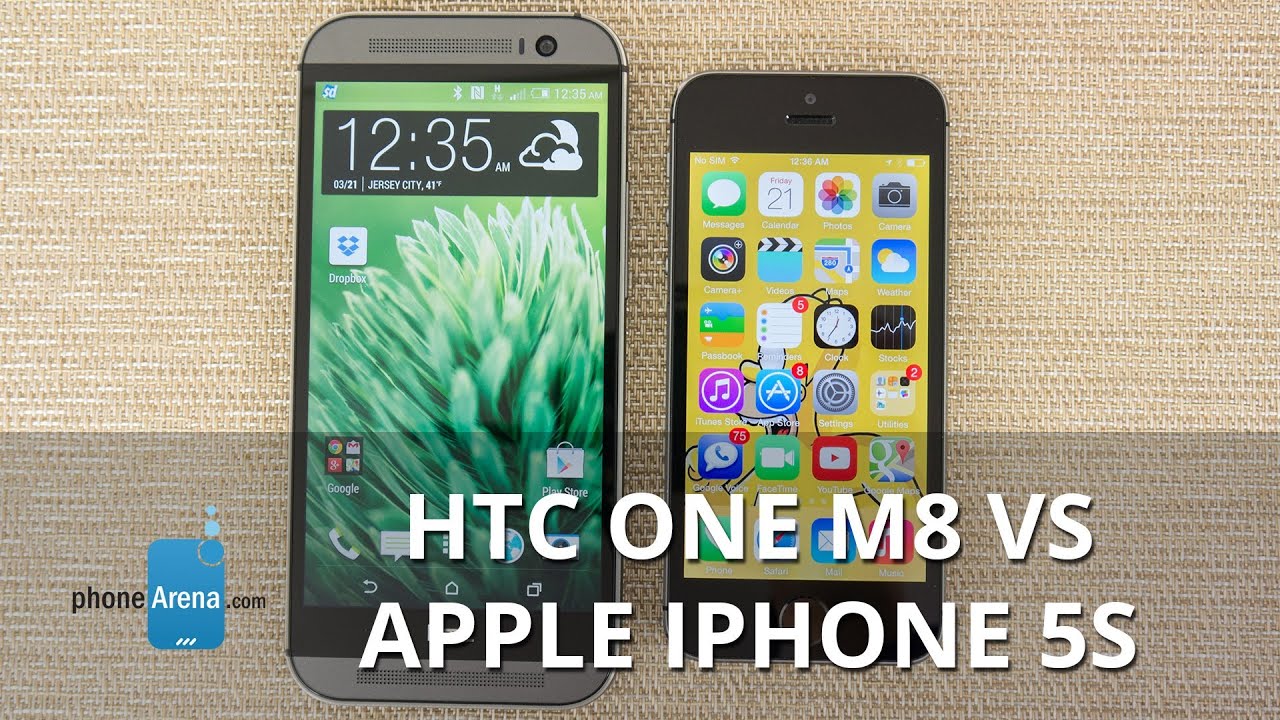
Without question, premium is the name of the game with these two delicious devices – more so when they employ high-quality materials with their casings. We can argue, however, that the designs are generally familiar ones that borrow heavily from their respective predecessors. Despite that, it’s the HTC One M8 that shows us that it’s the more striking phone. Even though they rely on a casing comprised out of brushed aluminum, we like how there’s more of it in the HTC One M8, especially when it wraps around from edge-to-edge. On top of that, it has more of a profound metallic-look, in comparison to the slightly more subdued tone of the iPhone 5s.
Interestingly enough, they both share similar placements with the physical controls and ports around their trims. Although HTC improved the feel and feedbacks of its power button and volume control, the iPhone 5s’ set are even more distinct to the touch, and springier in response. Each of them has something unique that the other lacks. For example, the iPhone 5s has a biometric Touch ID finger print sensor used to unlock the phone with our fingerprint. Meanwhile, the HTC One M8 bears an IR blaster to make it double as a universal remote, a secondary rear camera to capture depth information, and a microSD card slot for memory expansion.

5.76 x 2.78 x 0.37 inches
146.36 x 70.6 x 9.35 mm
5.64 oz (160 g)

4.87 x 2.31 x 0.3 inches
123.8 x 58.6 x 7.6 mm
3.95 oz (112 g)

5.76 x 2.78 x 0.37 inches
146.36 x 70.6 x 9.35 mm
5.64 oz (160 g)

4.87 x 2.31 x 0.3 inches
123.8 x 58.6 x 7.6 mm
3.95 oz (112 g)
See the full HTC One (M8) vs Apple iPhone 5s size comparison or compare them to other phones using our Size Comparison tool.
Display
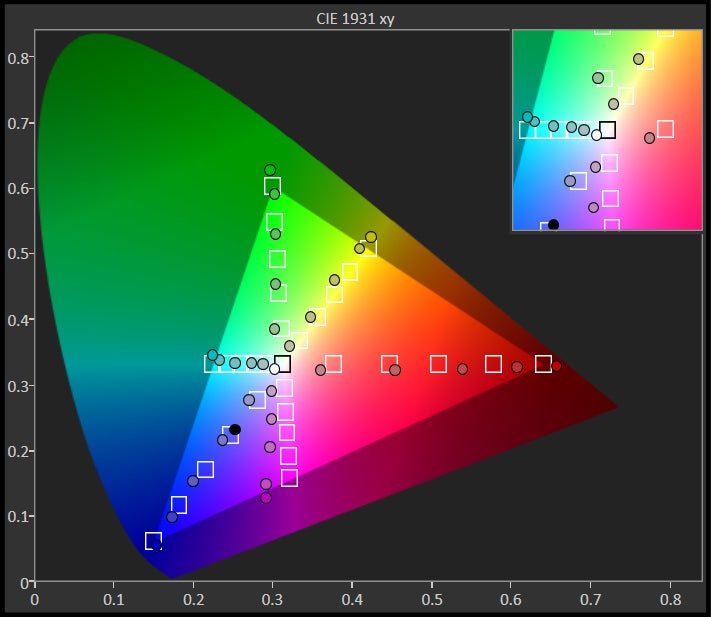
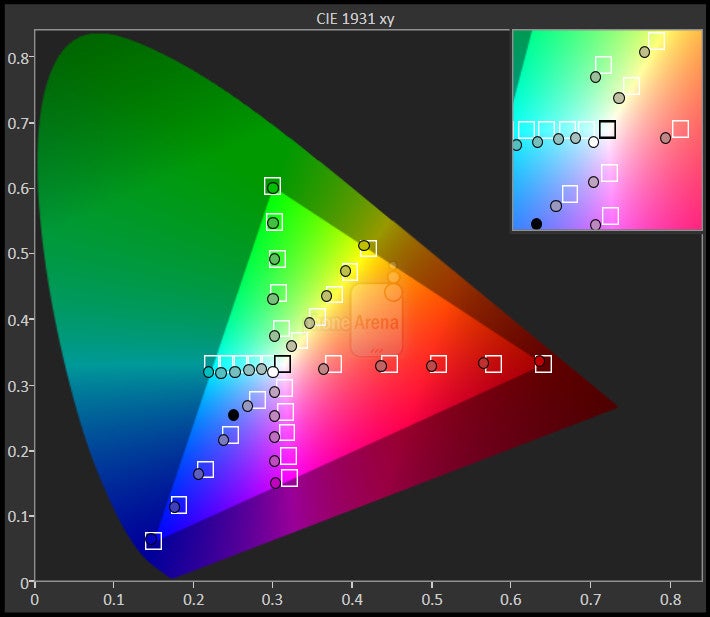
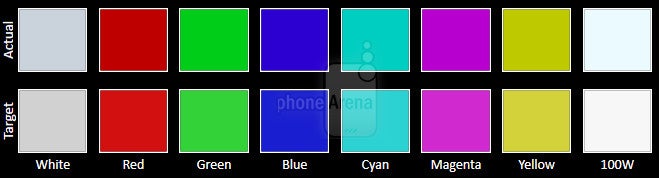
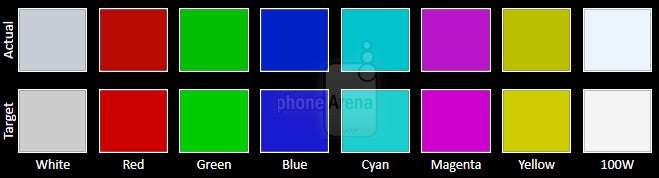
Similar to how there’s a lot of love focused into their designs, we continue to see the same trend with their respective displays. The HTC One M8 features a 5-inch 1080 x 1920 Super-LCD 3 display, while the iPhone 5s has a 4-inch 640 x 1136 Retina display. Performing the calculations, the HTC One M8 grabs the higher pixel density figure, 441 ppi, besting the 326 ppi mark of the iPhone 5s. Needless to say, numbers on paper might have some leverage, but our eyes show us the greater degree of superiority with the HTC One M8’s display, seeing that it’s sharper and more detailed. Obviously, it’s most clearly evident when looking at the two closely, but it’s hard to differentiate it from a distance away.
Concrete numbers can only go so far to tell us which of the two has the superior display, however, it’s what our eyes actually see that makes the final determination. Taking that into consideration, the HTC One M8’s display has the goods and arsenal to make it the more attractive display. It might not beat the iPhone 5s in all areas, but heck, it’s one fine looking display.


Interface and Functionality
A year absolutely makes a difference, as these two phones feature newer software experiences over their predecessors. At the core of it all, it’s yet another comparison between the Android and iOS experiences – so we know some of the advantages each have over the other. For example, Android continues to incorporate the superior notifications system, and features a more diversified personalization experience. Meanwhile, iOS stands out for its simplicity and outstanding support of quality third party apps.
First, let’s explain the visual presentation of the two software – HTC Sense 6.0 on top of Android 4.4.2 KitKat versus iOS 7. Even though iOS 7 improves upon its predecessor by delivering a more dynamic look than before, made aware by its transparent looks and layered design, it just doesn’t have the encompassing totality of Sense 6.0’s modern looks and unified social networking integration with its HTC BlinkFeed homescreen. For all of the enhancements made to iOS 7, it still feels somewhat dated with its simplistic homescreen layout. Then again, some folks take pride in having that.
UI of the HTC One (2014)
Interface of the Apple iPhone 5s
Next up, we need to point out that the HTC One M8 sports several more secondary features that enhance its overall experience over the iPhone 5s. Specifically, they pertain to things like its new Motion Launch gestures, which provide us with quick-peek functionality all from the lockscreen. Rather than pressing on the power button to glance or access certain things, we can rely on the Motion Launch gestures to unlock the phone, peek at the time/weather, jump straight into the homescreen/BlinkFeed, or access the camera app. These gestures, in combination with Android’s tight integration with Google’s services, plainly show us that it’s more diversified with its features over iOS.
Processor and Memory
Cementing their status as flagship smartphones, these two beauties show that they have the firepower to match their good looks. Under the hood of both phones, we have a quad-core 2.3GHz Qualcomm Snapdragon 801 CPU with 2GB of RAM in the HTC One M8 – while a 64-bit based dual-core 1.3GHz Apple A7 processor with 1GB of RAM powers the iPhone 5s. Now, some people will argue that the iPhone 5s’ hardware isn’t as intimidating when we compare the numbers on paper, but it packs the same snappy punch as its rival. In fact, they deliver exquisite performances with everything they do, so there’s not one that dominates the other.
A familiar pattern with the iPhone 5s, it’s made available in 16GB, 32GB, and 64GB capacities – whereas the HTC One M8 can be picked up in either 16GB or 32GB storage options. Thankfully, the inclusion of a microSD card slot provides us with more flexibility with the HTC One M8.
Internet and Connectivity
Seeing that they boast fast 4G LTE speeds and buttery smooth navigational controls, it’s rather difficult to say which them has the upper hand in the web surfing department. To tell you the truth, the only major thing separating them are their screen sizes. Considering that more real-estate is beneficial to the experience, we’re inclined to side with HTC’s pride and joy more so than the iPhone 5s. In addition, Google Chrome has some noteworthy secondary features that trump the arsenal we get with mobile Safari.
Surfing the web with HTC One (2014)
Safari browser on the Apple iPhone 5s
Expected to sell widely throughout the world, it’s no surprise that they’re produced in GSM and CDMA flavors – with 4G LTE in tow as well. Beyond that, they also include the same set of connectivity features as well. They include aGPS with GLONASS, Bluetooth 4.0, dual-band 801.11 a/b/g/n/ac Wi-Fi, and video-out functionality with the aid of optional adapters. However, the HTC One M8 happens to include NFC and an IR blaster into its arsenal.
Camera
Plenty of talk surrounds the cameras in these two prized devices. On one side of the ring, we have the HTC One M8’s ‘UltraPixel’ camera, which features a 4-megapixel 1/3” sensor, BSI, an f2.0 aperture lens, and a dual-LED flash. In the other, we have the iPhone 5s’ 8-megapixel iSight camera featuring a 1/3” sized sensor, f2.2 aperture lens, BSI, and a dual-LED flash. Certainly there are similar points with the two, but the most profound element here is how the iPhone 5s doubles its rival in the megapixel category, as HTC opted for bigger pixel size.
Before diving right into their performance, we have to mention that we genuinely prefer the diverse shooting modes and manual controls offered by the HTC One (M8). Supplementing things even more for the HTC One, its various duo effects enhance images with it professional-like results – achieved by the aid of its secondary rear camera. From its ability to emphasize the focus post shot, to how we can “copy & paste” ourselves into a totally different photo, there’s a lot of fun to be had with the HTC One M8.
Camera interface of the HTC One (2014)
Camera interface of the Apple iPhone 5s
No doubt, there’s a lot of fun attached to the HTC One M8’s camera, but when it comes down to pure quality, it still can’t match the superior quality of the iPhone 5s camera. Naturally, the results produced by the two are more than ample enough to share via social networking, but there’s more flexibility with the iPhone 5s’ shots – such as cropping or printing them out. In fact, Apple’s prodigy edges out its competitor in the categories of detail, indoor low light quality, and night time shots. There’s just no comparison, though, the HTC One is able to match the iPhone 5s when it comes to color accuracy.
Sample Images
Try as it might, the HTC One M8 just can’t seem to catch a break against the iPhone 5s – in the camera department, of course. Well, that extends into the 1080p video recording quality category as well, as the HTC One M8 takes some really good videos, but the iPhone 5s trumps it by delivering even better results. Looking at our sample footage, there’s little doubt regarding their superiority when lighting is in abundance. However, the M8’s performance under low lighting takes a serious turn for the worst, seeing that we can spot some digital noise and motion blur.
Sample Videos
Multimedia
Apple’s iPod music player has seen better days. In comparison to the Sense 6.0 music player, it manages to flaunt a pleasant looking layout, but it can quite match the dynamic presentation of the Sense 6.0 music player. Best of all, there’s a cool visualizer option and the ability to display the lyrics of a song using HTC’s device.
Don’t be fooled by the iPhone 5s’ single internal speaker, mainly due to the fact that it emits a strong volume punch. Delivering a loudness output of 74 dB, it closely matches the 75.2 dB tally of the HTC One M8’s dual front-firing speakers with HTC BoomSound. However, the quality of the One's speakers is way better and it helps that they are front facing when watching a video!
Being comfortable can sometimes be detrimental, especially when it comes to technology, seeing that innovation occurs at a rapid rate. Apple shook things up with iOS 7, but it remains largely behind the curve when it comes to expanding its multimedia presence. Over on the HTC One, its built-in IR blaster is an addition we greatly appreciate – transforming it into a universal remote, something great to have if our remote goes missing. In addition, they’ve enhanced the TV-watching experience by delivering an updated HTC Sense TV app update that ‘senses’ what content we like the most.
Call Quality
This one is no-brainer taking into account the strong loudness output of the HTC One M8’s set of speakers. With both its earpiece and speakerphone, voices are recognizably more audible in noisy environments thanks to the potent and robust nature of the M8 – while also minimizing distractions like noise in the background. Conversely, we agree that the iPhone 5s’ call quality amounts to nothing more than average.
Battery
Reaching new heights we didn’t see previously, the HTC One M8 climbs to the top of battery life benchmark chart with its impressive, long-lasting tally of 7 hours, 12 minutes – easily besting its rival, which chimes in at 5 hours, 2 minutes. As for our real world usage, their batteries achieve that expected one-day of normal usage, but the HTC One M8 goes further by getting us over the 1.5 day mark.
Conclusion
A breath of fresh air for HTC, their newest star is able to give Apple’s darling a good run for its money. As we all know by now, the two handsets sport very similar prices – $200 for most carriers selling it with a 2-year contract, or $650 for unlocked models.
Pricing and specs can dictate a phone’s overall value, but the true telling is really found in their performances. All the money in the world can get anyone a beefy spec’d, good-looking smartphone, but if it fails to perform in the areas that matter most to us, it’s merely an utter failure. Dissecting their performances, it’s arguable to say that one can sometimes be dramatically better than the other in a specific category.
For the iPhone 5s, it shows its worth when it comes to taking photos/videos, more quality third party applications, and donning a straightforward & uncomplicated software experience. In contrast, the HTC One M8 impresses us with its stunning premium design, diversified software features, extended battery life, and superb phone call quality. Ultimately though, it’s going to come down to personal preference. Size is also something to factor in, as well as how their software experiences cater to our needs.
Whatever you end up picking, you can sleep knowing that you’re choosing a smartphone that’s going to be relevant throughout this year – so expect them to continue vying for supremacy in the space!


Related Content


Popular stories


Latest News

Things that are NOT allowed:
To help keep our community safe and free from spam, we apply temporary limits to newly created accounts: