Xiaomi might give you a reason to wait before you grab that Galaxy or Pixel
Xiaomi T-series prices might not go up this year – but again, the catch might be where you can actually buy one.
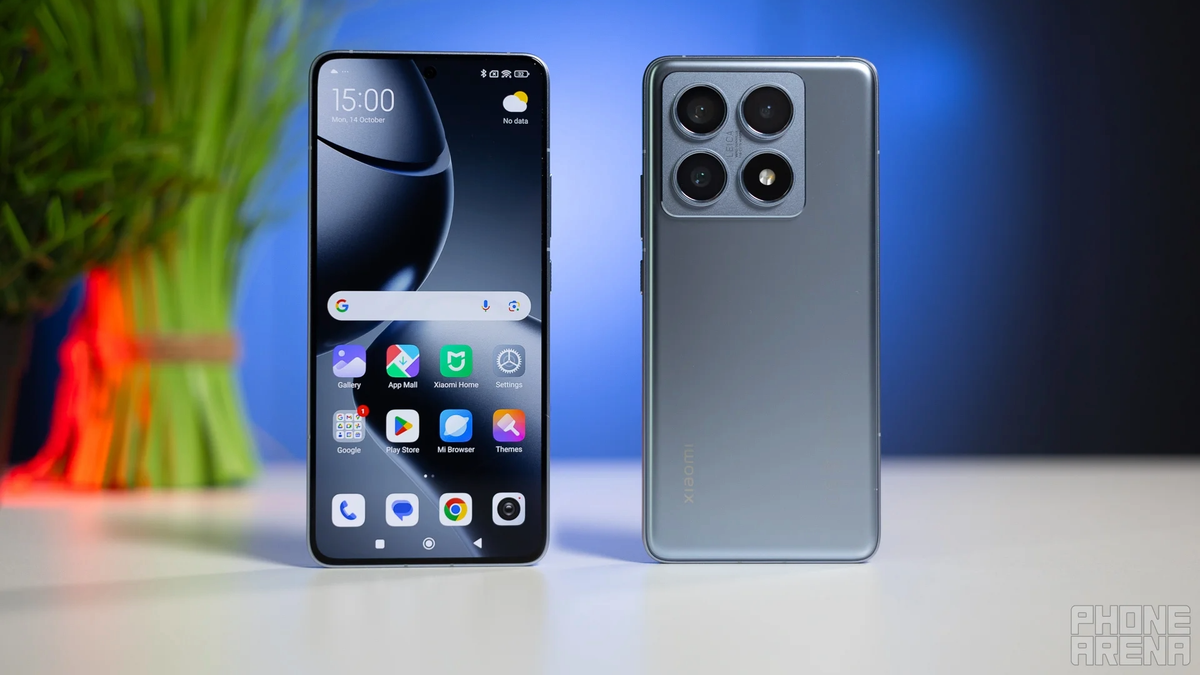
Xiaomi 14T Pro. | Image credit – PhoneArena
The word is that Xiaomi won’t be raising prices this year. Both models are expected to debut at the same cost as last year’s Xiaomi 14T and 14T Pro. The regular Xiaomi 15T is rumored to come in just one version – 12 GB of RAM with 256 GB of storage – priced at €649 (around $760 when directly converted). Color options should include gray, black and gold.
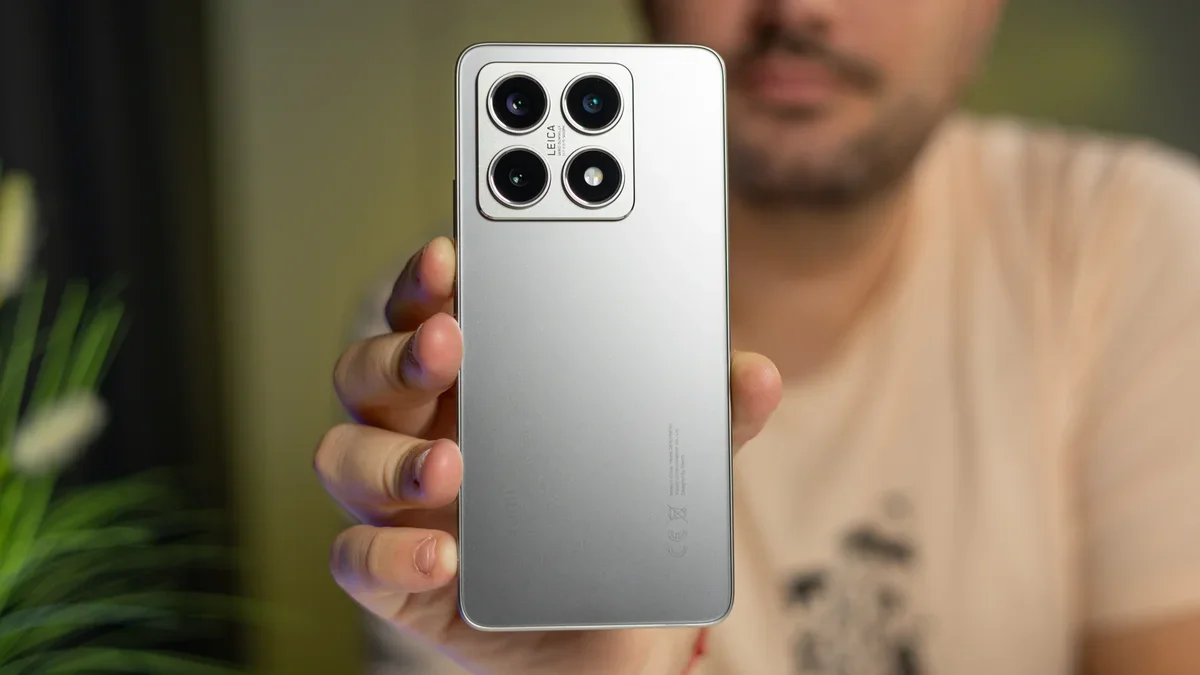
This is the Xiaomi 14T and the next generation might look quite similar. | Image by Image credit – PhoneArena
As for the Pro model, the entry configuration with 12 GB RAM and 256 GB storage will reportedly go for €799 (around $930 when directly converted), while the upgraded 512 GB storage option could set you back €899 (around $1000 when directly converted). Just like the base model, it is also expected to come in gray, black and gold.
Of course, Xiaomi’s T-series – and most of its phones, really – rarely make it to the US through official channels. The company mainly targets Europe, Asia and other regions, with its phones usually missing from major US carriers and retailers. That said, you can still find them on sites like Amazon, though always make sure to check compatibility with US carriers before getting it. Yeah, it can be hit-or-miss depending on the global version you buy.
Do you care that Xiaomi phones don’t officially launch in the US?
52 Votes
Yes – it’s a dealbreaker for me.
30.77%
No – I’ll just import or buy on Amazon.
13.46%
Doesn’t matter, I live in Europe/Asia anyway.
40.38%
I’d only stick with phones from official US carriers.
15.38%
So, what kind of hardware are we talking about here? According to leaks, the Xiaomi 15T Pro will feature a triple camera setup:
- A 50 MP main sensor (OmniVision OVX9100, same as the Xiaomi 15)
- A 50 MP telephoto lens (Samsung ISOCELL JN5)
- A 13 MP ultrawide (OmniVision OV13B).
Power shouldn’t be a problem either. The Pro is rumored to pack a 5,500mAh battery with support for 90W wired charging – an upgrade over the 14T Pro’s 5,000mAh cell.
As for performance, don’t expect the regular 15T to ship with a flagship chip. The 14T came with MediaTek’s Dimensity 8300 Ultra, a midrange processor, while the 14T Pro used the more powerful Dimensity 9300+ – a chip that goes toe-to-toe with Snapdragon 8 Gen 3 and even outperforms Apple’s A17 Pro in GPU benchmarks.
Chances are the new phones will carry the next iterations of these chips, but details haven’t leaked just yet.
At the end of the day, Xiaomi’s T-series lineup strikes a nice balance: the Pro model can easily be seen as a strong alternative to Samsung’s Galaxy flagships, while the standard Xiaomi 15T should hold its own in the midrange space against devices like Google’s Pixel 9a or the upcoming Galaxy S25 FE. Just keep in mind that availability and software support still give Samsung and Google the upper hand.


Popular stories




Latest News


Things that are NOT allowed:
To help keep our community safe and free from spam, we apply temporary limits to newly created accounts: