Marshall Monitor Bluetooth Headphones

Introduction
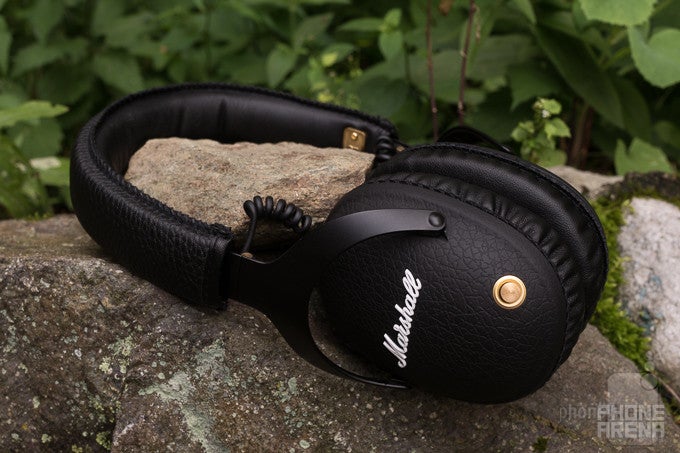
Your smartphone connects you to the world around you, making it easy to reach out and interact with people, companies, and online services. And for as much as those connections can do to enhance our lives, sometimes you just want a little peace and – well, maybe not necessarily quiet.
Enter: a good pair of headphones. Maybe you like to entertain yourself on the morning commute, keep feeling motivated during a workout, or just enjoy your favorite music without driving your roommates nuts. Whatever's driving that need, some nice headphones can really add a new dimension to your mobile lifestyle.
In the Box
- Monitor Bluetooth headphones
- Carrying bag
- Male-to-male 1/8th-inch stereo cable
- Micro USB charging cable
Design and comfort
A rugged exterior conceals some smartly designed, comfortable touches
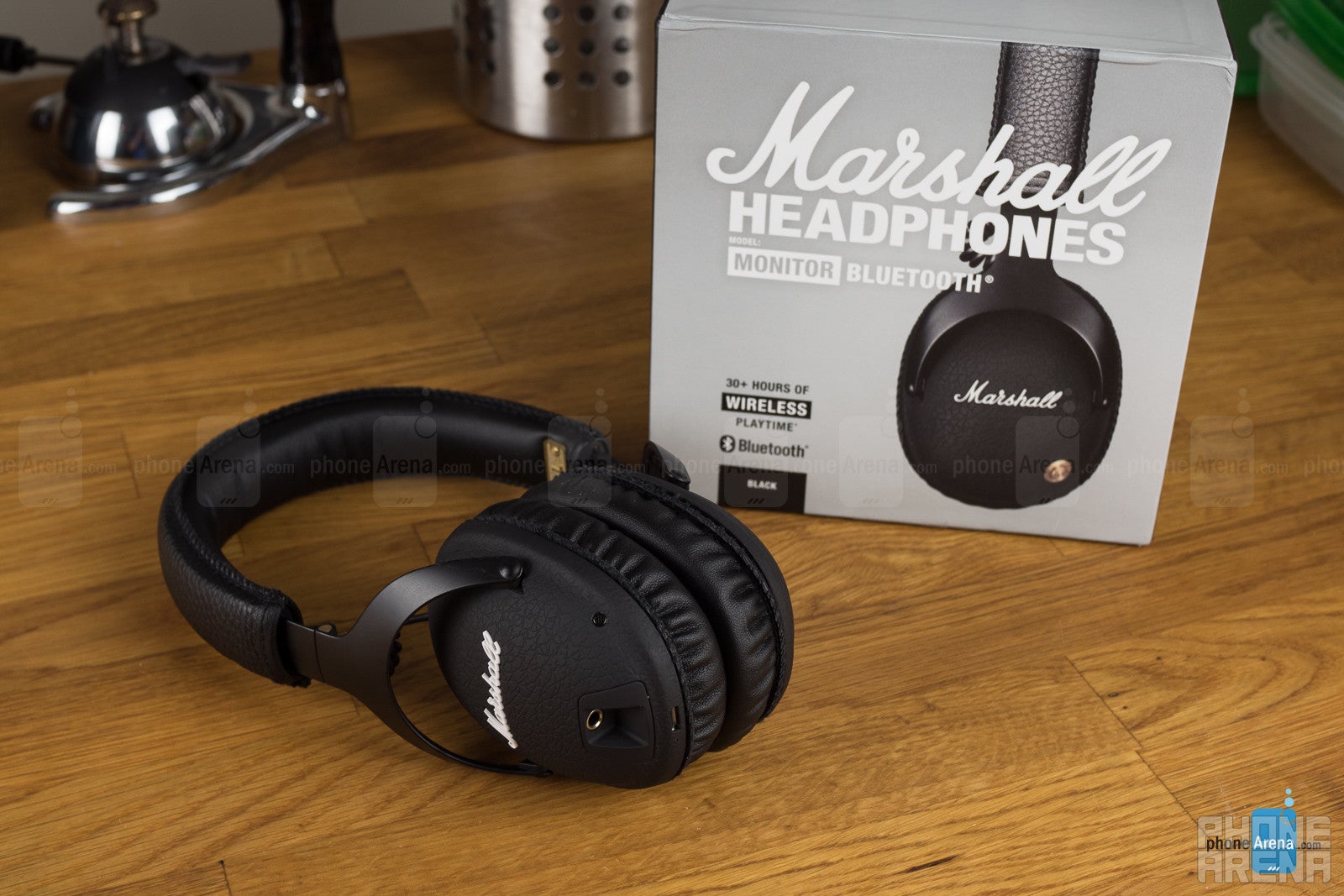
Marshall's a name that anyone with even a passing interest in music is going to recognize from speakers and amplifiers up on stage next to some of their favorite bands, and the same sort of rugged construction you need to survive with a band on tour carries over to the Monitor Bluetooth headphones.
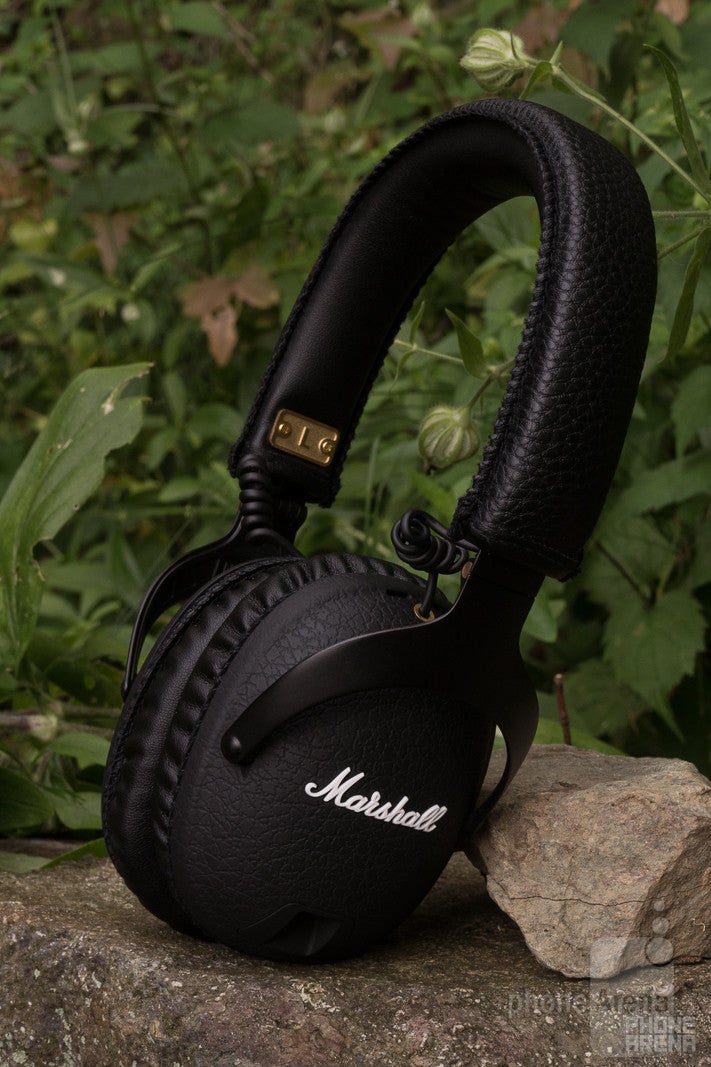
While that's how the earpieces are physically connected, audio is shared between the two via a pair of short coiled cables that extend from each ear up into the headband. They look really nice, but seeing them stretched out during storage, and just being located so closely to metal hinges, has us worried about their durability – it seems like they're just one wrong move away from getting pinched and broken. Now, we absolutely did not have any issues like that at all during testing, but for a pair of headphones that are otherwise so resilient, we couldn't help but feel a little afraid of what seemed to be an exposed weak point.
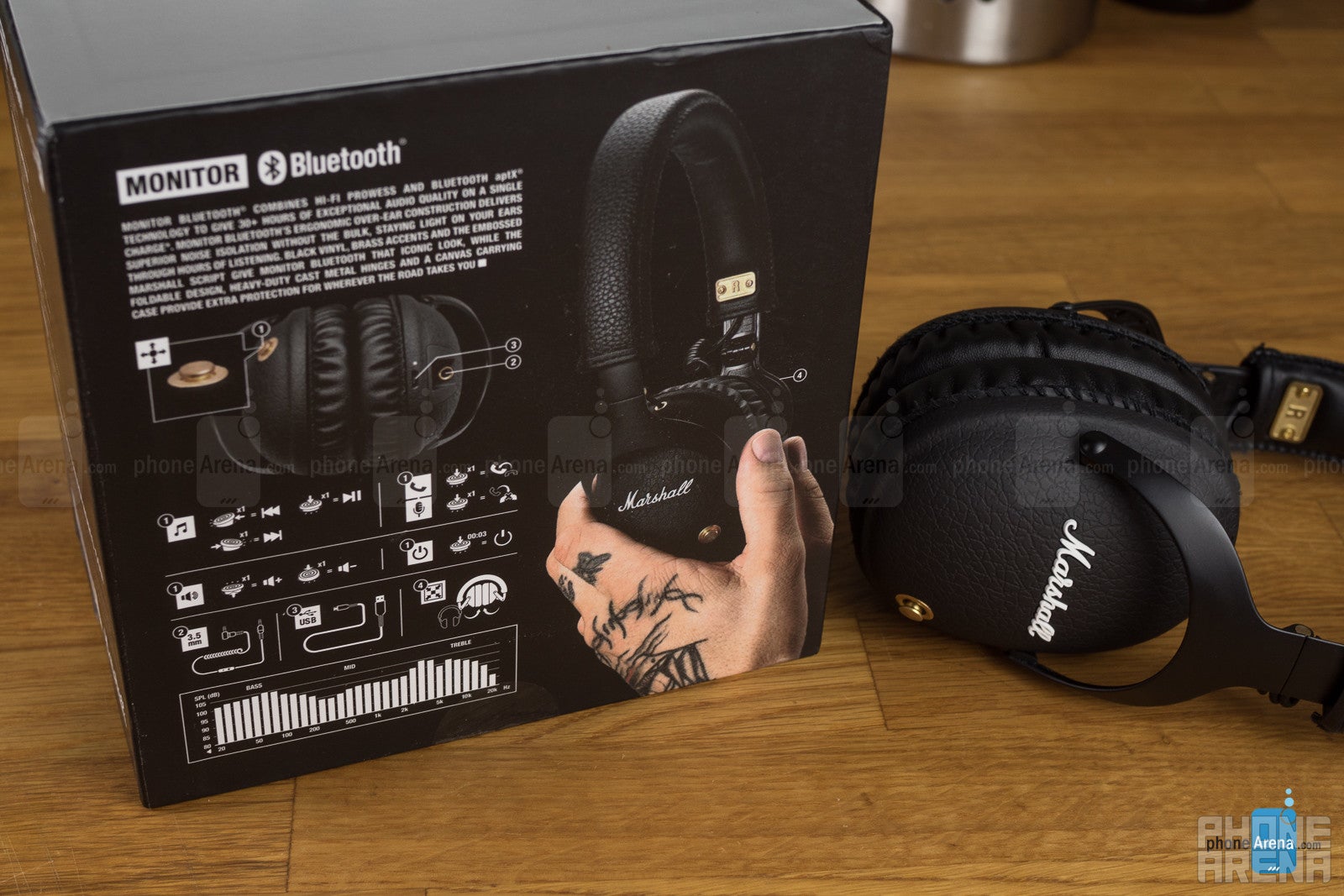
The right earpiece has a lot going on, thought it's all tucked tastefully away around the lower edge. There's a micro-USB port for charging, and next to it a tiny LED that indicates power, charging status, and Bluetooth pairing. North of that is the multi-function analog headphone jack, which we'll talk more about in just a moment. And just forward of the jack is a flush-mounted microphone grille so you can take calls on the headset.
Software and functionality
Music-sharing adds a new dimension to Bluetooth audio
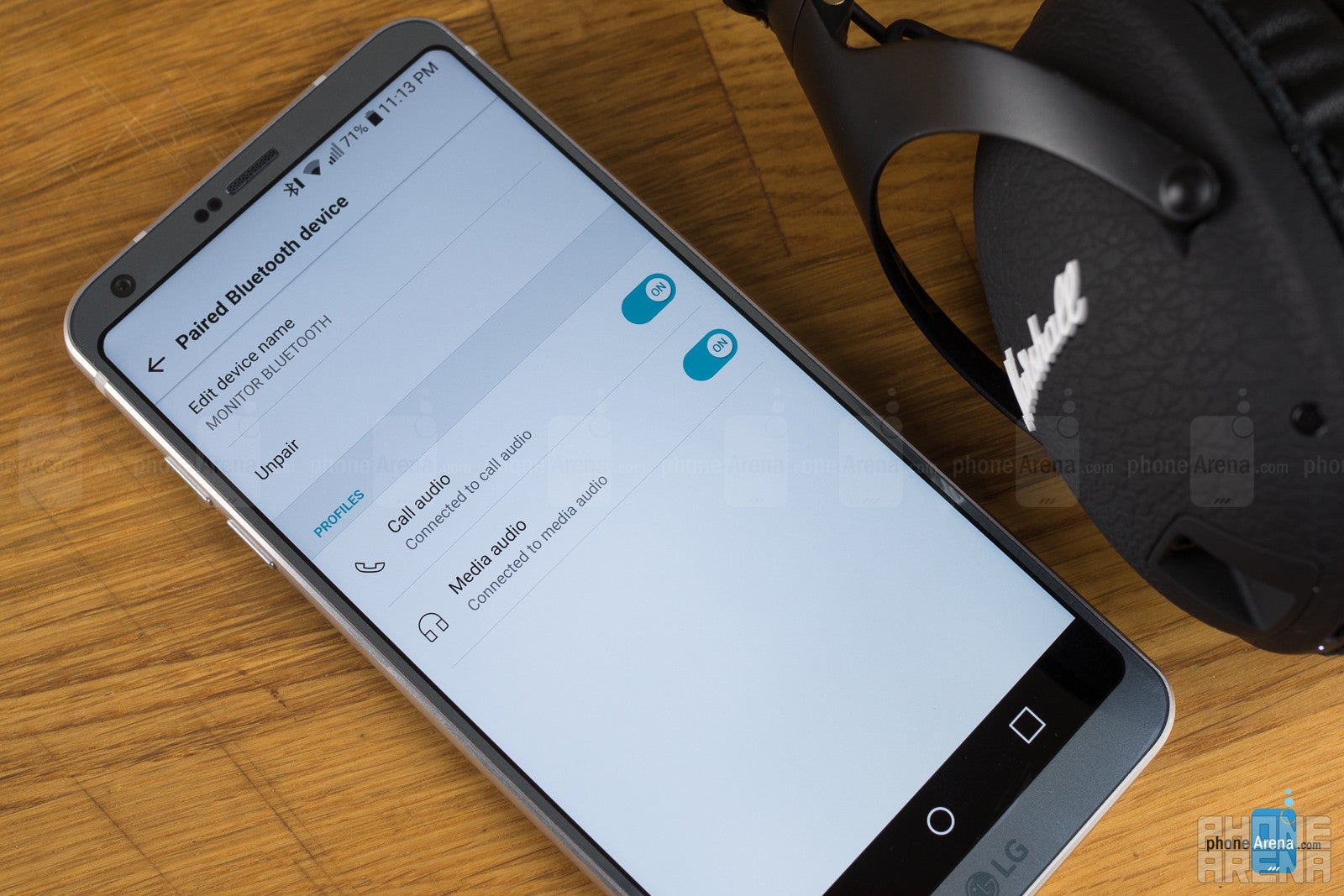
Like most good pairs of Bluetooth headphones, the Marshall Headphones Monitor Bluetooth isn't reliant on some external app to get the job done: just pair it with a compatible Bluetooth device and you're good to go. Heck, it doesn't even have to support Bluetooth, and in a pinch you can use the included 1/8-inch stereo headphone cable to attach it to any hardware with a headphone jack.
But most of your usage is going to be over Bluetooth, and if your phone supports it, these headphones are all ready to tap into Qualcomm's aptX codec system. We'll be talking about sound quality just a little later on, but it should suffice to say that this is one very nice bit of functionality to have.
We just talked about how you can use the analog headphone jack to connect to non-Bluetooth devices, but it also has a second feature: when you are listening to music over Bluetooth, you can attach a second pair of headphones via that port to share your music with a friend.
That's an utterly fantastic capability, and we only really wish that Marshall Headphones went a bit further with it, maybe giving you an independent volume control for the second listener. There's also a small design consideration that might benefit from some tweaking: the headphone jack is mounted in parallel to the plane of the earpiece, and there's a sunken recess around it to accommodate a 1/8-inch plug and attached cable.
With really sleek headphone plugs, though, like those on Apple Earpods, we had a bit of trouble getting a grip on them to disconnect, and found ourselves forced to go the unfortunate route of yanking hard on the actual cable – never something we want to do. Some greater clearances, or a jack mounted perpendicularly, might be an improvement.
Controls
Marshall Headphones aims for simplicity, and for the most part succeeds
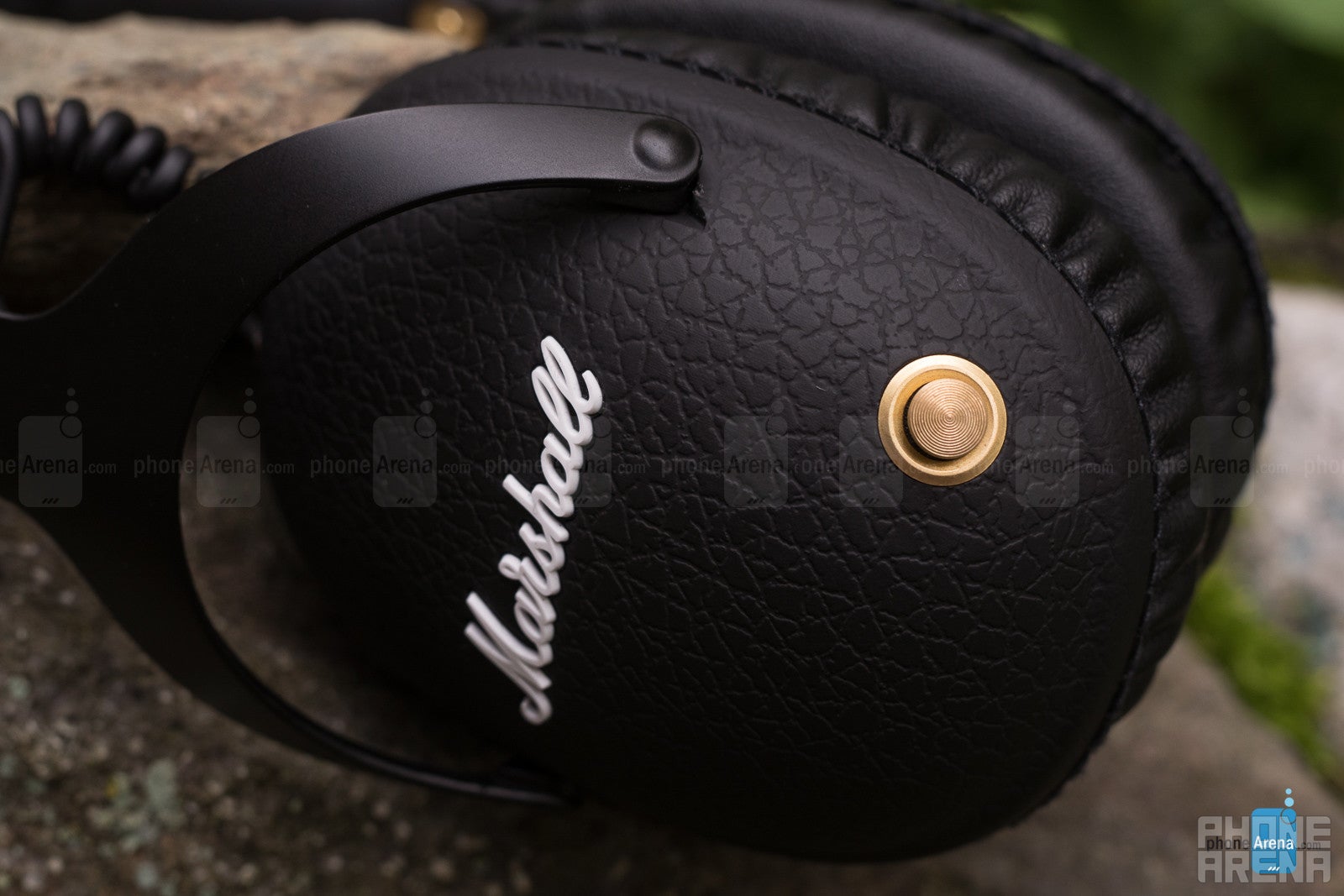
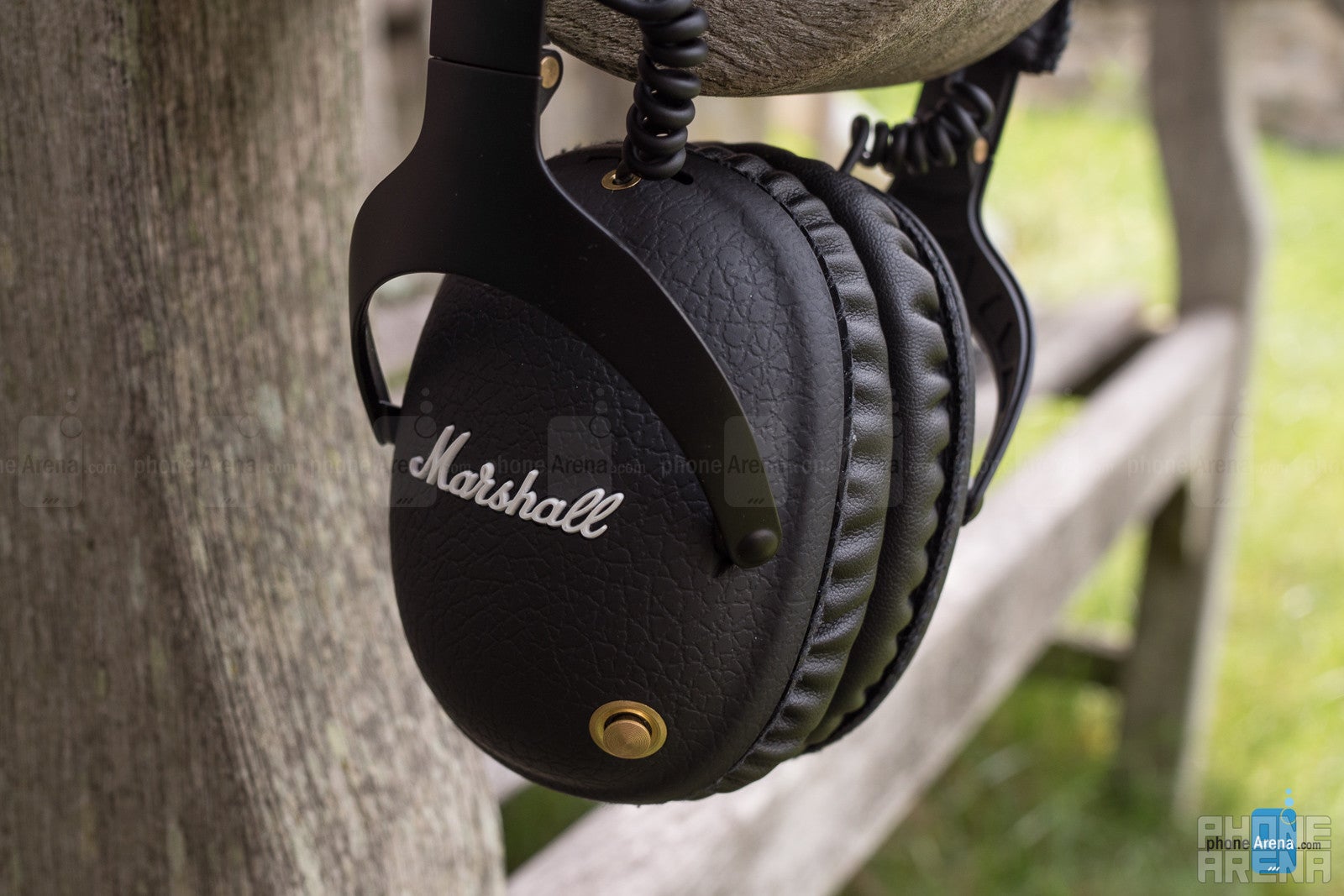
The little brass control on the headphones' left earpiece is your one-stop shop for any and all things control related. It's a miniature four-way joystick, tilting up, down, left, and right, and also clicking in when you press on its face. You'll press the button to power the headphones on and off, as well as press-and-hold to pair over Bluetooth. Tilting up and down works as your volume controls, while left and right control track advancement.
That's partly because headphones have a way of tilting forward and backwards on your head, and when you reach for this unadorned knob, intending to tilt it up to increase the volume, there's always a risk you're going to tilt it left or right, instead – there's just no easy way to tell the orientation from touch alone, and the very strict four-way nature of the stick (with no support for diagonals) can make using it feel a little stiff.
Sound Quality
With a brand name like this you'd expect great-sounding audio, and we're not disappointed
Audio fidelity can be an extremely subjective subject, and even well-trained ears can disagree on a system's merits. But after spending a few weeks listening to all variety of music, media, and even making calls with the Monitor Bluetooth headphones, we feel pretty confident saying that these sound exceptionally nice.
Bass notes are rich and satisfying without overwhelming or causing distortion, while treble is clear and precise without sounding tinny or artificially emphasized. Mids might benefit from a little greater presence, but we're still very happy with the overall balance here.
On phone calls, remote parties sounded just fine, and if anything the high quality of these headphones only called more attention to the lossy compression of regular voice calls – but that's hardly something we're going to hold against Marshall Headphones. The microphone on the headphones works about as well as we'd expect, but it's clear that it's trading unobtrusive placement for quality – we were told we sounded a bit dark and harsh, but didn't have any problems coming through intelligibly.
Battery Life
Even with infrequent charges, battery life should never be a bit issue
Conclusion
The Marshall Headphones Monitor Bluetooth succeeds in part because of knowing exactly what it wants to be: a no-nonsense, straightforward pair of really high quality wireless headphones. Audio sounds clean and precise, but more than that the headphones look pretty cool, feel nice and solid, and are quite comfortable to wear.
What problems we have with the pair are relatively minor: the control knob can be a little finicky to push in the right direction, but it still feels responsive and well made. And while we're less than totally convinced as to the long-term durability of the exposed wire coils, it's hard to deny that they look pretty neat.
No, you don't get a ton of extra features here, but we're not sure we'd need them all in the first place. And even things we really like, such as active noise cancellation, are adequately addressed thanks to a snug-fitting design that helps keep ambient noise out.


Popular stories





Latest News




Things that are NOT allowed:
To help keep our community safe and free from spam, we apply temporary limits to newly created accounts: